
Guide to Spanish Regional Cuisines: North vs South vs East
I'll never forget my first meal in San Sebastián. It was a Tuesday evening, and I wandered into a modest txoko—a private gastronomic society—where I watched a retired banker in an apron prepare bacalao a la vizcaína with the precision of a surgeon. The salt cod, rehydrated for days, melted on my tongue. That single dish taught me something crucial: Spanish food isn't monolithic. It's a conversation between geography, history, and obsession with quality ingredients.
After three years in Barcelona, extensive travels through Andalusia, and countless meals across the Basque Country and beyond, I've learned that Spain's regional cuisines are as different from each other as Italy is from Greece. This guide maps those differences, explains the "why" behind each region's flavors, and shows you exactly where and how to eat like a local.
This article may contain affiliate links — we earn a small commission at no extra cost to you.
Key Takeaways: Spanish Regional Cuisines at a Glance
| Question | Answer |
|---|---|
| What defines Northern Spanish cuisine? | Seafood-focused, Basque influence, pintxos culture, emphasis on technique and fresh ingredients |
| What's unique about Southern (Andalusian) food? | Moorish heritage, gazpacho, fried fish, olive oil abundance, lighter preparations |
| What makes Eastern (Valencian) cuisine distinct? | Rice-based dishes, seafood paella, seasonal vegetables, Mediterranean influence |
| Which region has the most Michelin stars? | Basque Country (San Sebastián especially) — highest concentration in Spain |
| What's the best season for regional food travel? | Spring (April-May) and autumn (September-October) for ingredient quality and comfort |
| How much should I budget for regional dining? | €15-25 for casual meals; €40-80+ for serious restaurants; pintxos €2-5 each |
| Can I find these dishes outside their regions? | Yes, but authenticity varies significantly — regional restaurants in Madrid and Barcelona offer good versions |
1. The Northern Basque Country: Where Obsession Meets the Sea
The Pintxo Culture and Gastronomic Societies
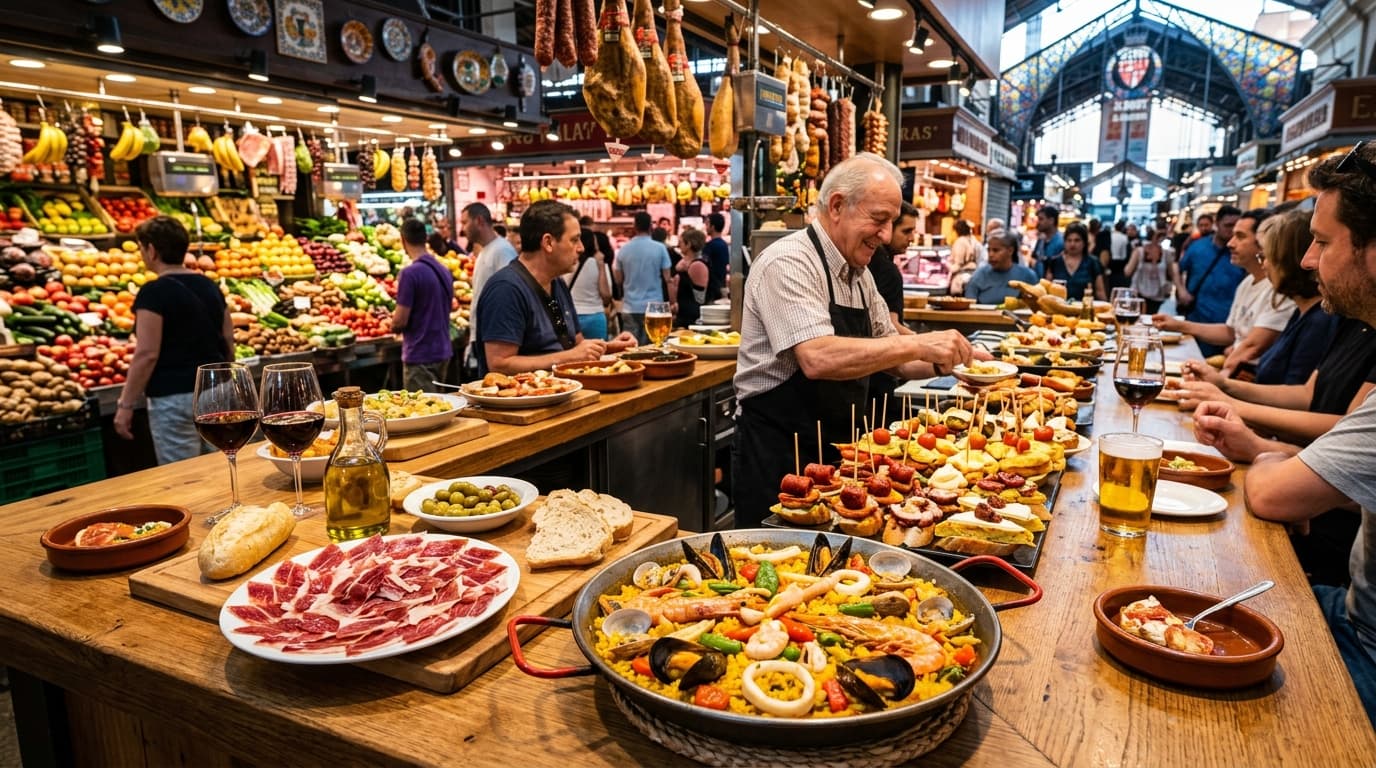
When we first visited San Sebastián, we made a rookie mistake: we sat down for a formal dinner without first understanding the city's true food religion. Pintxos—small bites served at the bar—aren't appetizers. They're a way of life. In San Sebastián alone, there are over 100 bars serving pintxos, and locals spend entire evenings "hopping" from one to another, ordering 2-3 bites per bar.
A proper pintxo might be a slice of bread topped with jamón ibérico and a quail egg, or seared tuna with aioli. Prices range from €2-5 per piece. The magic isn't in complexity; it's in ingredient quality and execution. When you order, point at what you want—no need to ask names. The bartender will hand it to you on a small plate, and you'll pay at the end based on the toothpicks they count.
Where to experience it: Any bar in the Parte Vieja (Old Town) of San Sebastián. We recommend arriving around 7 PM, starting with a txakoli (local white wine), and working your way through 4-5 bars over two hours.
Gastronomic societies—txokos—are private clubs where members (often families) gather to cook and eat together. Many now accept visitors, particularly on weekends. Inside, you'll find serious home cooks preparing traditional dishes like marmitako (tuna and potato stew) or kokotxas (hake cheeks in green sauce).
Bacalao a la Vizcaína and Hake Obsession
The Basque Country's relationship with salt cod borders on spiritual. Bacalao a la vizcaína is the region's unofficial anthem: rehydrated salt cod, served in a rich red pepper sauce made from choricero peppers (a specific variety grown in the region), tomatoes, and olive oil. The preparation takes days—the cod must be soaked and desalted carefully to achieve the right texture.
Hake (merluza) is equally revered. Merluza a la vasca (hake in green sauce) uses the fish's own gelatinous head and bones to create a silky sauce with parsley, garlic, and white wine. It's a dish that shouldn't work—boiled hake and green sauce sounds pedestrian—but in expert hands, it's transcendent.
Pro tip: When ordering hake in the Basque Country, ask for it "a la vasca" or "en salsa verde." If a restaurant offers it fried, you're in the wrong place.
Cider Houses and Seasonal Eating
In the hills outside Bilbao, traditional cider houses (sagardotegi) operate on a seasonal model, typically March through May and September through November. You pay a fixed price (around €20-30 per person) for unlimited cider, tortilla, grilled fish, and chorizo. The cider—young, slightly fizzy, and low alcohol—is poured from height into glasses to aerate it.
These aren't tourist attractions; they're family institutions. Locals book months in advance. The experience is rustic: long wooden tables, sawdust floors, and the sound of cider bottles being uncorked. We visited one in April, and the txuleta (grilled steak) was so good we ordered seconds.
2. Andalusia: The Moorish Inheritance and Olive Oil Kingdom
Gazpacho, Salmorejo, and Cold Soups
Southern Spain's cuisine reflects centuries of Moorish influence, visible most clearly in cold soups. Gazpacho—tomato, cucumber, bell pepper, garlic, olive oil, and vinegar blended into a chilled soup—appears on every Andalusian menu, but quality varies dramatically. The best versions use ripe summer tomatoes and nothing else; some restaurants add unnecessary ingredients like bread or cream.
Salmorejo, from Córdoba, is gazpacho's thicker cousin, served with jamón and a quail egg on top. It's richer, more luxurious, and honestly, more satisfying as a starter. In Seville, gazpacho is often served as a palate cleanser between courses.
When to order: May through September. Outside these months, gazpacho tastes like disappointment. Winter soups in Andalusia lean toward hearty espetos (fish stews) and rabo de toro (oxtail soup).
Fried Fish and the Pescaíto Tradition
Andalusian coastal towns—Cádiz, Huelva, Málaga—have perfected the art of frying fish. Pescaíto (fried fish, literally "fish as it comes") uses whatever the day's catch brings: small anchovies, sardines, squid, or sole. The fish is coated in flour, fried in olive oil until golden, and served with nothing but lemon and salt.
The technique matters. Oil temperature must be precise (around 180°C). The fish should be crispy outside, tender inside, never greasy. We've eaten mediocre versions in tourist traps and transcendent ones in unmarked beach bars in Málaga.
Where to find it: Beachfront chiringuitos (casual beach bars) in coastal Andalusia. Expect to pay €10-15 for a plate of mixed fried fish. Go early—the best fish sells out by 9 PM.
Jamón Ibérico and Olive Oil: The Foundations
Andalusia produces 80% of Spain's olive oil and most of its jamón ibérico. These aren't side ingredients; they're the foundation of regional cooking. Jamón ibérico—cured ham from black Iberian pigs—ranges from €15-40+ per 100g depending on the pig's diet (acorn-fed jamón ibérico de bellota is the premium tier).
In Andalusian homes and restaurants, jamón appears at nearly every meal: as a breakfast with bread and tomato, in salads, wrapped around seafood, or simply on a plate with good bread. The flavor is nutty, complex, and nothing like mass-produced jamón serrano.
Insider knowledge: When you see "jamón ibérico de bellota" on a menu, you're looking at the real thing. The pig must be at least 75% Iberian, and "bellota" means it was fattened on acorns. This is worth the premium price.
Granada's Tapas Tradition and Free Food Culture
Granada operates under a unique rule: order a drink, get free tapas. This tradition—born from centuries of Moorish influence and working-class culture—means a €2 beer comes with a plate of jamón, cheese, or fried fish. Order five drinks, and you've had a meal.
The tapas aren't afterthoughts. Many Granada bars pride themselves on their offerings. We've had better food in Granada's casual bars than in formal restaurants elsewhere in Spain. The trick is finding the right bar—locals know which ones are generous and which are stingy.
3. Valencia and the Eastern Coast: Rice, Seafood, and Paella
Paella: History, Variations, and the Authenticity Question
Paella is Valencia's most famous export, but it's also the most misunderstood. The dish originated in the 15th century as peasant food—workers in the rice fields would cook rice with whatever was available: snails, beans, tomatoes. Seafood paella came later, a wealthier version.
Authentic Valencian paella (paella valenciana) contains rabbit or chicken, never seafood. Paella de marisco (seafood paella) is a different dish entirely, not "more authentic" or "less authentic"—just different. The rice should be slightly crispy on the bottom (socarrat), the grains separate, and the cooking time around 18-20 minutes.
Red flag: Paella that arrives in under 10 minutes was likely pre-made. Paella cooked to order takes time.
When we visited Valencia, we ate paella three times in three days. The best version came from a family-run restaurant in the Turia Gardens area, where the owner's grandmother had been making paella for 50 years. It cost €18 per person and tasted like home.
Arroz a Banda and Seafood Rice Variations
Beyond paella, Valencia has created dozens of rice dishes. Arroz a banda (rice cooked in fish stock, served with seafood on the side) is less famous internationally but equally important locally. The rice absorbs the seafood's essence without the ingredients mixing—a more delicate approach than paella.
Arroz negro (black rice, colored with squid ink) appears on menus throughout the eastern coast. It's dramatic, slightly briny, and pairs beautifully with aioli.
Esgarraet and Fresh Vegetable Dishes
Coastal Valencian cuisine isn't all rice. Esgarraet—a salad of salt cod, orange, and onion—represents the region's Moorish heritage and Mediterranean freshness. It's light, acidic, and perfect in summer. Orange appears frequently in Valencian cooking, both in savory dishes and as a finishing touch to seafood.
4. Central Spain: Madrid and the Interior's Hearty Traditions
Cocido Madrileño and Slow-Cooked Stews
Madrid's signature dish—cocido madrileño—is a three-course meal disguised as a single dish. Chickpeas, pork, beef, chicken, and vegetables simmer for hours. The broth is served first as soup, then the meat and vegetables follow. It's winter food, comfort food, the kind of dish that makes sense only when you're cold and hungry.
When we visited Madrid in November, we sought out a traditional cocido restaurant. The version we ate cost €22 and arrived in a clay pot, still steaming. It's not elegant food. It's honest food.
When to order: October through March. Summer cocido is a contradiction.
Rabo de Toro and Offal Cooking
Central Spanish cuisine embraces offal in ways that northern and southern regions don't. Rabo de toro (oxtail stew) is a Madrid specialty—slow-cooked oxtail in a rich sauce with vegetables. It's the kind of dish that requires an afternoon of cooking and rewards patience with deep, complex flavors.
Liver, kidneys, and tripe appear regularly on Madrid menus. These aren't trendy nose-to-tail cooking; they're traditional working-class food that never disappeared.
5. Comparison Table: Regional Signature Dishes
| Dish | Region | Main Ingredients | Best Season | Typical Price |
|---|---|---|---|---|
| Bacalao a la Vizcaína | Basque Country | Salt cod, red peppers, tomato | Year-round | €18-28 |
| Gazpacho | Andalusia | Tomato, cucumber, olive oil | May-September | €6-10 |
| Paella Valenciana | Valencia | Rice, rabbit, beans, tomato | Year-round | €15-25 |
| Pintxos (mixed) | Basque Country | Varies (bread, seafood, jamón) | Year-round | €2-5 each |
| Salmorejo | Córdoba (Andalusia) | Tomato, bread, jamón, egg | May-September | €7-12 |
| Arroz Negro | Valencia/Coast | Rice, squid ink, seafood | Year-round | €16-26 |
| Cocido Madrileño | Madrid | Chickpeas, pork, beef, chicken | October-March | €18-28 |
| Merluza a la Vasca | Basque Country | Hake, parsley, garlic, white wine | Year-round | €20-32 |
6. Ingredient Obsession: What Makes Regional Cooking Distinct
The Olive Oil Question
Spain produces more olive oil than any other country—over 1.5 million tons annually. But not all Spanish olive oil is equal. Andalusian oil tends toward fruity, peppery profiles; northern Spanish oil (from regions like Navarre) is often milder and buttery.
In Andalusian cooking, olive oil isn't a finishing touch; it's the foundation. A simple plate of tomatoes and bread becomes transcendent when dressed with quality oil. We've spent €8-12 on a single bottle of regional oil that transformed our cooking for months.
How to order like a local: Ask the restaurant which oil they use. Good restaurants will tell you the producer and region. If they can't answer, the oil probably isn't special.
Seafood Seasonality and the Importance of Timing
Northern Spanish seafood follows strict seasonal patterns. Percebes (goose barnacles) peak in winter; txipiroines (baby squid) in summer; zamburiñas (scallops) in autumn. Restaurants that respect these seasons are restaurants that respect their ingredients.
When we visited San Sebastián in July, a chef actually discouraged us from ordering hake, explaining that summer hake is inferior to winter hake. That kind of honesty is rare and worth seeking out.
Jamón, Chorizo, and Cured Meat Culture
Spain's cured meat culture is built on specific pigs, specific regions, and specific aging times. Jamón ibérico from Huelva tastes different from jamón ibérico from Extremadura. Chorizo from Pamplona differs from chorizo from Andalusia.
These differences matter to locals and should matter to travelers. When ordering, ask where the jamón comes from. A restaurant that knows its suppliers is a restaurant that cares.
7. Where to Eat: Regional Restaurants Across Spain
San Sebastián: The Gastronomic Capital
San Sebastián has the highest concentration of Michelin-starred restaurants in the world relative to population. But you don't need a star to eat well. The city's real magic happens in pintxo bars and txokos.
Practical advice: Book pintxo bars for early evening (7-8 PM). Make txoko reservations through your hotel. Expect to spend €30-50 per person for a full pintxo evening; €40-70 for a txoko dinner.
Seville and Córdoba: Andalusian Authenticity
Both cities maintain strong traditional food cultures. Seville's markets (particularly Triana) offer fresh produce and seafood. Córdoba's old town has family-run restaurants serving salmorejo and rabo de toro that haven't changed recipes in decades.
When we visited: We found the best salmorejo in a restaurant without a sign, accessed through a narrow alley. The owner's mother had been making it for 40 years. Cost: €8. Worth: immeasurable.
Valencia: Paella Territory
The Turia Gardens area and the surrounding neighborhoods contain dozens of paella restaurants. Quality varies, but several family-run establishments maintain high standards. Ask your hotel for recommendations; locals know which places are worth visiting.
Budget: €15-25 per person for paella at a good restaurant; €30-50 for a full meal with drinks.
8. How to Order Like a Local: Language and Customs
Essential Phrases and Ordering Customs
- "¿Qué me recomienda?" ("What do you recommend?") — This question opens doors. Servers will suggest seasonal dishes and house specialties.
- "¿De dónde es?" ("Where is it from?") — Locals ask about ingredient origins. It matters.
- "Sin ajo, por favor" ("Without garlic, please") — Garlic is fundamental to Spanish cooking, but if you dislike it, say so.
- "La cuenta, por favor" ("The check, please") — Don't expect it automatically. Spanish meals are leisurely; servers won't rush you.
Timing and Meal Structure
Lunch (comida) is the main meal, typically 2-4 PM. Dinner (cena) is lighter, 8-10 PM. Restaurants don't fill until 9 PM. Arriving at 7:30 PM means you'll be alone; arriving at 9:30 PM means you're with locals.
Menus typically offer:
- Primer plato (first course): soup, salad, or small dish
- Segundo plato (main course): meat or fish with vegetables
- Postre (dessert): often fruit or flan
- Café (coffee): espresso or cortado
Many restaurants offer a menú del día (menu of the day) at lunch—typically €12-18 for three courses and a drink. This is the best value in Spanish dining.
9. Drinks and Pairings: Wine, Cider, and Txakoli
Wine Regions and Regional Pairings
Spain has 17 wine regions, each producing distinct styles. Our wine regions guide covers this in detail, but here's the regional breakdown:
- Basque Country: Txakoli (light, slightly fizzy white) pairs with seafood and pintxos
- Andalusia: Fino and manzanilla sherries from Jerez pair with jamón and fried fish
- Valencia: Local whites like Albariño pair with paella and seafood rice
- Rioja (north-central): Full-bodied reds pair with meat dishes and cocido
When ordering wine, ask for a copa (glass) rather than committing to a bottle. Most restaurants offer house wine that's perfectly respectable.
Cider and Regional Beverages
Basque cider (sidra) is an experience unto itself. It's young, slightly fizzy, and low alcohol (around 5-6%). Pouring it from height into a glass aerates it and releases aromatics. Cost: €3-5 per glass.
In Andalusia, rebujito—manzanilla sherry mixed with lemon soda—is summer drinking. It's refreshing, slightly sweet, and dangerously easy to drink.
10. Seasonal Eating and Food Festivals
Spring (April-May): Asparagus, Artichokes, and Fresh Fish
Spring brings tender vegetables and the season's best seafood. Asparagus appears on menus throughout the north; artichokes in Andalusia. This is paella season in Valencia—the new harvest of rice is fresh, and spring vegetables are at their peak.
Summer (June-August): Gazpacho, Fried Fish, and Tomatoes
Summer is gazpacho season in Andalusia, fried fish season on coasts, and tomato season everywhere. Restaurants shift toward lighter preparations. Cold soups replace hot stews. This is also when many serious restaurants close for vacation—plan accordingly.
Autumn (September-October): Game, Mushrooms, and Harvest
Autumn brings game (wild boar, partridge, rabbit) to northern menus. Mushrooms appear in Basque Country cooking. This is arguably the best season for eating in Spain—ingredients are abundant, weather is pleasant, and restaurants are fully staffed.
Winter (November-March): Cocido, Offal, and Citrus
Winter is cocido season in Madrid, cider house season in Basque Country, and citrus season in Valencia. Hearty stews replace light preparations. This is when you'll see the most traditional, least touristy food.
Did You Know?
San Sebastián has more Michelin stars per capita than any city in the world. With three 3-star restaurants and numerous 1- and 2-star establishments, the city's population of 186,000 supports a gastronomic density unmatched anywhere globally. Yet the city's food culture remains rooted in tradition, not pretension.
Gazpacho wasn't always tomato-based. Medieval gazpacho was a bread soup with garlic, oil, and vinegar—tomatoes arrived from the Americas in the 16th century and transformed the dish. Some traditional recipes still omit tomatoes entirely.
FAQ: Spanish Regional Cuisines
Q: What's the difference between jamón ibérico and jamón serrano? A: Jamón serrano comes from white pigs and costs €8-15 per 100g. Jamón ibérico comes from black Iberian pigs and costs €15-40+ per 100g. Ibérico has more marbling and a more complex flavor. "Jamón ibérico de bellota" (acorn-fed) is the premium tier, costing €25-40+ per 100g.
Q: Can I eat well in Spain on a budget? A: Absolutely. The menú del día (lunch menu) offers three courses and a drink for €12-18. Pintxos cost €2-5 each. Casual restaurants serving regional food cost €12-20 per person. You don't need Michelin stars to eat excellently in Spain.
Q: When is the best time to visit for food travel? A: April-May (spring) and September-October (autumn) offer the best ingredient quality, pleasant weather, and fully staffed restaurants. Summer is gazpacho and fried fish season but also peak tourist season. Winter is cocido and cider house season.
Q: Do I need to speak Spanish to order food? A: In tourist areas, English is common. In authentic local restaurants, Spanish helps. Learn "¿Qué me recomienda?" (What do you recommend?) and you'll do fine. Pointing works too.
Q: Is paella expensive in Valencia? A: No. Good paella costs €15-25 per person at casual restaurants. Tourist paella in beach areas costs €20-35. Michelin-starred paella costs €60+. The price correlates with location and ambiance, not necessarily quality.
Q: What's the etiquette for pintxo bars? A: Point at what you want, the bartender serves it, you eat standing at the bar, and you pay at the end based on toothpicks. Tipping isn't necessary but rounding up is appreciated. Move to the next bar after 2-3 pintxos.
Q: Are there vegetarian options in Spanish regional cuisine? A: Yes, though Spanish cooking is meat and seafood-focused. Gazpacho, salads, vegetable paella, and piquillo peppers are excellent vegetarian options. Mention dietary restrictions when ordering—Spanish restaurants are accommodating.
Conclusion: Eating Your Way Through Spain's Regions
Spanish regional cuisines aren't variations on a theme; they're distinct food cultures shaped by geography, history, and obsession with quality. The Basque Country's seafood obsession, Andalusia's Moorish heritage, and Valencia's rice mastery represent three different answers to the question: "What should we eat?"
The best way to understand these differences is to eat your way through them. Start with our Barcelona travel guide if you're beginning on the coast, then move north to San Sebastián for pintxos and seafood. Head south for Seville and gazpacho. Explore Valencia for paella. Each region will teach you something different about Spanish food and Spanish culture.
Ready to plan your culinary journey? Check out our ultimate Spain travel guide for itineraries that prioritize food, our Andalusia road trip guide for southern exploration, or our wine regions guide to pair your meals with Spain's best beverages.
The table is set. Spain is waiting.
Have questions about Spanish regional food or need specific restaurant recommendations? Contact our team — we've eaten our way through Spain and love sharing what we've learned.
Sources & References
Cet article est base sur une experience directe et verifie avec les sources officielles suivantes:

Go2Spain Team
Based in Spain since 2020 | All 13 regions visited | Updated monthly
We are a team of travel writers and Spain enthusiasts who explore the country year-round. Our guides are based on first-hand experience, local knowledge, and verified official sources.
More about us →A lire aussi

Vegetarian and Vegan Food in Spain: Practical Guide
Navigate vegetarian and vegan dining across Spain with our practical guide to regional dishes, restaurants, and how to order like a local.
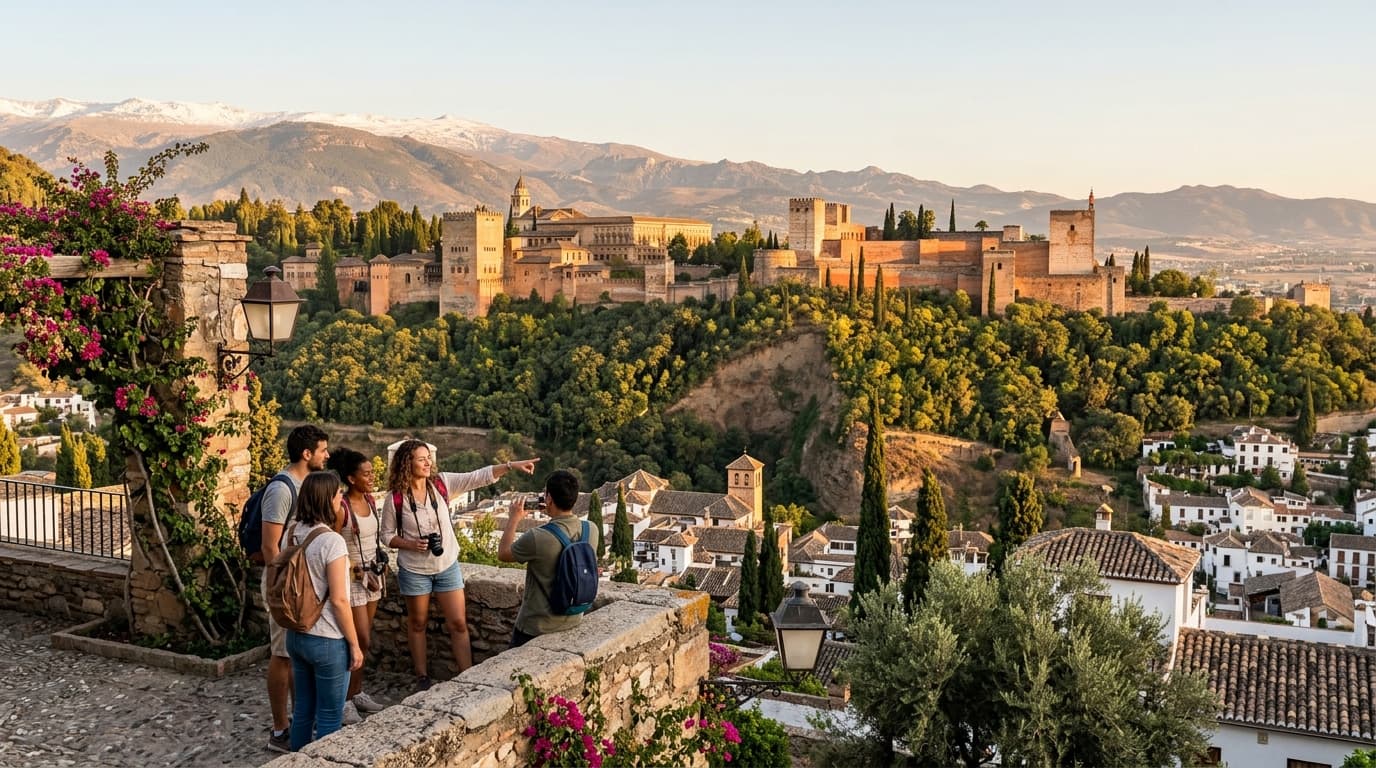
Alhambra Visit: Complete Day Trip Planning Guide from Granada
Complete Alhambra day trip guide with ticket options, tour operators, timing strategies, and insider tips from our Granada experience.
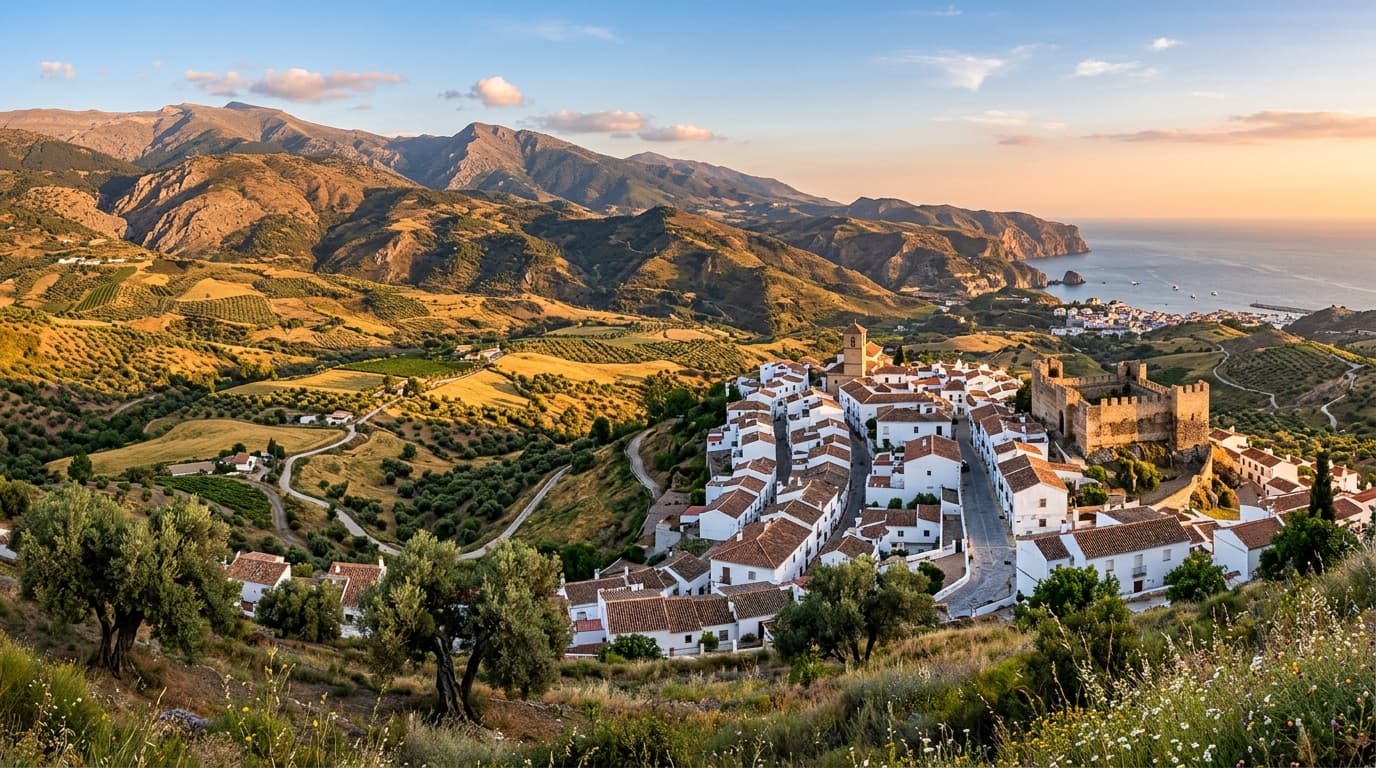
Two Weeks in Southern Spain: Region by Region
Explore southern Spain in 14 days: Seville, Granada, Costa del Sol & more. Regional guides, activities, stays & insider tips from locals.
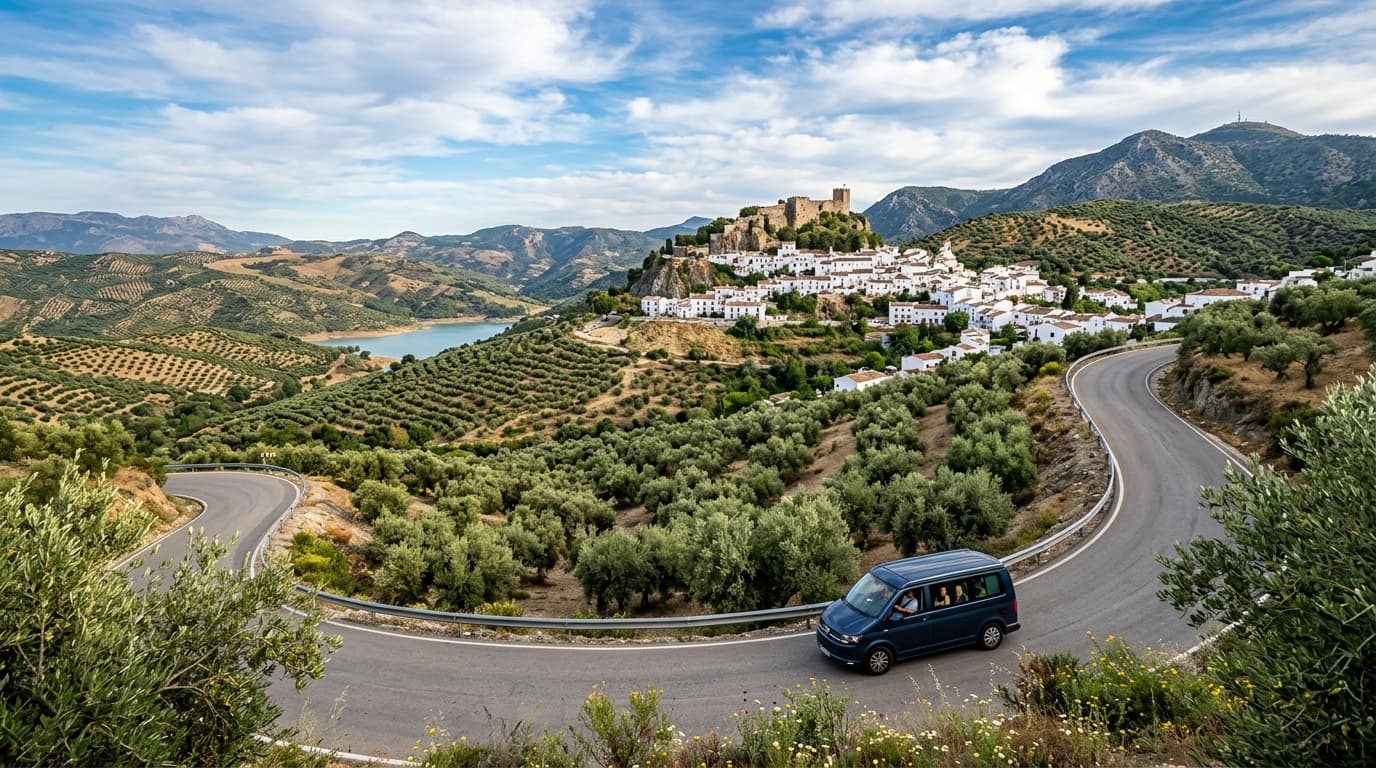
Andalusia Road Trip: The Perfect 10-Day Itinerary
Drive through southern Spain's most enchanting region with this 10-day Andalusia road trip covering Seville, Cordoba, Granada, and the coast.