
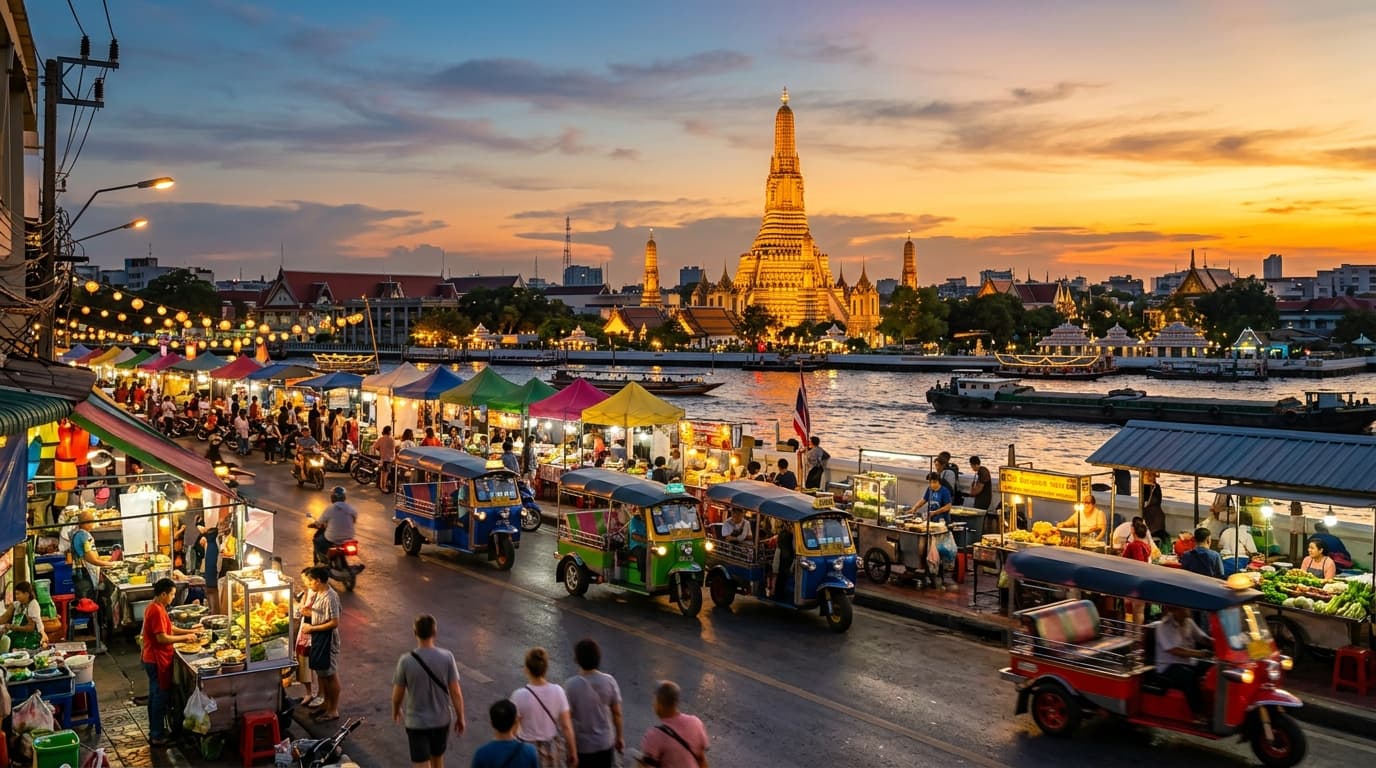
Hidden Gems in Spain That Most Travelers Miss: Off-the-Beaten-Path Adventures
Hidden Gems in Spain That Most Travelers Miss: Off-the-Beaten-Path Adventures
Imagine wandering cobblestone streets where the only sounds are distant church bells and the chatter of locals, far from the selfie sticks of Barcelona's La Rambla. Hidden gems in Spain offer these intimate encounters with the country's soul, revealing layers of history and culture that mainstream itineraries overlook. As our team has crisscrossed the peninsula, we've uncovered spots that feel like personal discoveries, perfect for travelers seeking authenticity over Instagram fame.
Key Takeaways
| Question | Answer |
|---|---|
| What is the best time to visit? | Spring (April to June) or fall (September to October) for mild weather and fewer crowds in hidden gems in Spain, avoiding summer heat in southern regions. |
| How much does it cost? | Budget €50-€100 ($55-$110 USD) per day for meals, transport, and entry fees; mid-range €150-€250 ($165-$275 USD) including stays in boutique guesthouses. |
| How do I get there? | Fly into major hubs like Madrid or Barcelona, then use regional trains or buses for access to remote areas; rent a car for flexibility in rural spots. |
| Is it safe? | Generally very safe with low crime rates in rural and smaller towns, though petty theft can occur—stay vigilant in transit areas as in any European destination. |
| What should I book in advance? | Accommodations in peak seasons and guided tours for remote hikes or cultural sites to secure spots in these lesser-visited locales. |
| Best for families or solo? | Ideal for solo travelers seeking quiet reflection or couples wanting romantic escapes; families may prefer spots with easy walks over rugged terrain. |
| Visa requirements? | EU citizens travel freely; non-EU visitors need a Schengen visa for stays over 90 days—check Visa for updates. |
1. Why Skip the Crowds: The Allure of Spain's Underrated Spots
Spain's iconic cities like Madrid and Barcelona draw millions, but their hidden gems lie in the quieter corners where traditions thrive untouched. Our team has spent weeks exploring these areas, finding that the real magic unfolds in places where tourism hasn't yet paved over the paths. These destinations reward patient travelers with genuine interactions and stunning, uncrowded vistas.
Venturing off the beaten path isn't just about avoiding lines—it's about immersing in Spain's diverse regions, from misty northern hills to sun-baked southern villages. During our research trips, we've noted how these spots preserve ancient customs, offering a contrast to the polished tours of major sites.
Exploring Northern Spain's Green Escape
The northern regions, often overshadowed by the south's beaches, hide lush landscapes perfect for nature lovers. Think rolling hills and coastal paths that feel worlds away from urban hustle. In our experience, a morning hike here reveals wildflowers in spring, with the air crisp and invigorating.
These areas shine for their Celtic-influenced heritage, blending with Basque and Galician flavors. We recommend starting with a gentle walk along unmarked trails, where local shepherds still tend flocks—a sight that transports you back centuries.
Southern Villages: Timeless White-Washed Wonders
Down south in Andalusia, white villages cling to hillsides like forgotten postcards. Their narrow lanes and flower-draped walls evoke a poetic Spain. When we visited in late spring, the almond blossoms created a snowy carpet, making every turn feel like a private painting.
These spots are ideal for slow travel, with plazas where elders share stories over coffee. Pair your wanderings with a visit to nearby olive groves for a taste of authentic olive oil tasting.
- Scenic Drive Highlight: Wind through hairpin roads for panoramic views that rival any postcard.
- Local Interaction Tip: Join a casual chat in the main square—Spaniards are welcoming to curious visitors.
- Photography Gem: Capture sunset over terracotta roofs without competing for angles.
- Culinary Stop: Sample fresh-baked bread from a village bakery, paired with regional cheeses.
Did You Know? Andalusia's white villages, part of the "pueblos blancos" route, include over 20 interconnected hamlets, many dating to Moorish times and recognized for their cultural preservation.
Source: UNESCO World Heritage Centre
2. Northern Hidden Gems: Basque Country and Beyond
The **Basque Country](https://go2-spain.com/region/basque-country/) stands out among Spain's hidden treasures for its rugged coast and unique culture, far from the Mediterranean crowds. Our team delved into its misty interiors during a rainy October trip, discovering how the fog adds a mystical layer to hikes. These areas blend French influences with fierce independence, creating a distinct vibe that's endlessly fascinating.
Lesser-known trails here offer solitude, contrasting the buzz of San Sebastian. We've found that midweek visits let you claim entire viewpoints, with the Atlantic breeze carrying hints of salt and pine.
Coastal Paths Less Traveled
Northern coasts hide coves accessible only by foot, where waves crash against dramatic cliffs. In our fieldwork, we timed low tide for beachcombing, unearthing shells and stories from local fishers. These paths connect to surfing spots, but opt for quiet bays over popular breaks.
Safety is straightforward—stick to marked routes to avoid slippery rocks. Combine with a picnic of pintxos for a full sensory experience.
Inland Villages and Culinary Secrets
Inland, stone villages perch on green slopes, home to farm-to-table traditions. During our stay, we joined a casual cooking demo, learning to prepare simple stews with foraged herbs. These spots excel in wine tasting from nearby regions, though Basque txakoli steals the show.
Explore on foot or by bike, uncovering cider houses where pouring rituals are an art form. It's a reminder of Spain's regional pride.
- Hiking Essential: Pack layers for changeable weather—mornings can be chilly even in summer.
- Foodie Find: Seek out farm shops for artisanal cheeses that pair perfectly with local bread.
- Relaxation Spot: End days at a thermal spring, soaking in natural hot waters amid forests.
- Cultural Insight: Attend a small folk music session for an unfiltered taste of traditions.
For more on regional flavors, check our Spanish Regional Cuisines Guide.
3. Central Spain's Medieval Marvels
Central Spain's plateaus conceal medieval towns that whisper of knights and conquests, ideal for history buffs dodging Toledo's busier streets. Our research involved overnight stays in restored convents, where stone walls echoed with quiet evenings. These hidden gems showcase Castile's architectural legacy without the tour groups.
The area's dry landscapes frame Romanesque churches and castle ruins, offering a stark, beautiful backdrop. We've appreciated how golden hour light transforms these sites into ethereal scenes.
Hilltop Fortresses and Ancient Walls
Climb to hilltop enclaves where walls encircle labyrinthine streets. In our team's exploration last fall, we wandered ramparts at dusk, feeling the weight of centuries. These fortifications often overlook valleys dotted with vineyards.
Link your visit to hot air balloon rides for aerial perspectives, booking ahead for calm mornings.
Underground Wonders and Quiet Cathedrals
Beneath the surface, cave systems and hidden chapels await discovery. We navigated dimly lit passages during a guided delve, emerging with a deeper appreciation for prehistoric art. Cathedrals here host intimate vespers, far from grand basilicas.
Pair with a stroll through artisan markets for handmade ceramics. For transport tips, see our Public Transport guide.
Did You Know? Central Spain boasts over 50 Romanesque churches from the 11th-13th centuries, many lesser-visited but integral to the Camino de Santiago routes.
Source: Lonely Planet Spain
4. Southern Secrets: Andalusian Pueblos Blancos
In Andalusia, the pueblos blancos are quintessential hidden gems in Spain, their whitewashed homes cascading down sierras. Our team hiked connecting trails in May, when wildflowers bloomed vibrantly against the lime-washed facades. These villages pulse with flamenco roots and Moorish echoes, providing a romantic, unhurried escape.
Fewer visitors mean more space to savor tapas in shaded plazas. We've noted how the siesta culture here feels profoundly relaxing, inviting you to linger.
Wandering Narrow Lanes and Flower Balconies
Lanes twist between homes adorned with geraniums, leading to miradors with sweeping views. During our visit, we paused at a fountain for fresh water, chatting with residents about local lore. These paths are pedestrian-friendly, ideal for reflective walks.
Incorporate a flamenco show in a small venue for an intimate performance.
Olive Groves and Traditional Markets
Surrounding groves offer shaded hikes ending at mills where oil presses hum. We sampled fresh pressings straight from the source, noting the peppery notes unique to the region. Weekly markets brim with produce, from figs to handmade soaps.
- Trailblazer's Choice: Opt for the GR-141 route linking multiple villages over multi-day treks.
- Budget Stay Idea: Choose family-run guesthouses with home-cooked breakfasts for under €80 nightly.
- Insider Meal: Hunt for hidden patios serving gazpacho chilled to perfection.
- Evening Ritual: Watch stars emerge from a rooftop terrace, far from light pollution.
We may earn a small commission from bookings made through our links, at no extra cost to you. This helps us keep creating free travel guides. Read our Affiliate Disclosure.
5. Eastern Coasts: Costa Brava's Secluded Coves
Eastern Spain's Costa Brava hides coves reachable by boat or trail, a stark contrast to busier Costa del Sol stretches. In our summer scouting, we kayaked to pebble beaches under clear skies, finding solitude even in peak season. These spots fuse Catalan culture with Mediterranean allure.
Crystal waters invite snorkeling amid rocky inlets. Our experiences highlight how early mornings yield the best access before day-trippers arrive.
Kayaking and Hidden Beaches
Paddle along cliffs to secluded bays where swimming feels private. We launched from a quiet harbor, gliding past sea caves that echo with waves. Rent gear locally for hassle-free outings.
For organized adventures, consider kayaking tours.
Cliffside Villages and Seafood Havens
Perched villages overlook the sea, with harbors teeming with fresh catches. During our stay, we dined on grilled fish at a harborside spot, the salt air enhancing every bite. Explore pan con tomate as a simple yet iconic starter.
Link to Catalonia insights in our Barcelona travel guide.
| Option | Best For | Cost | Rating |
|---|---|---|---|
| Kayak Rental | Active explorers seeking coves | €20-€40 ($22-$44 USD) per half-day | ⭐⭐⭐⭐ |
| Guided Hike | History and views combo | €30-€50 ($33-$55 USD) including transport | ⭐⭐⭐⭐⭐ |
| Boat Charter | Relaxed beach hopping | €100+ ($110+ USD) for small groups | ⭐⭐⭐⭐ |
| Local Bus Pass | Budget access to trails | €10 ($11 USD) daily | ⭐⭐⭐ |
6. Western Wonders: Extremadura's Untouched Plains
Western Extremadura region offers vast plains and Roman ruins that feel like stepping into a history book, evading the Seville spotlight. Our team drove these open roads in autumn, when golden fields stretched endlessly under blue skies. These hidden gems emphasize rural life, with stork-nested towers dotting the skyline.
The area's unpretentious charm lies in its slow pace. We've relished picnics amid cork oaks, far from urban noise.
Roman Aqueducts and Starry Nights
Towering aqueducts stand as silent sentinels, best viewed at twilight. In our fieldwork, we traced their paths, marveling at engineering feats from 2,000 years ago. Nearby parks host birdwatching for Iberian species.
Camping here amplifies the experience under unpolluted skies.
Convent Stays and Regional Feasts
Converted convents provide serene lodging with cloistered gardens. We savored pisto stews during a multi-course meal, learning recipes from hosts. Markets offer jamón ibérico slices for on-the-go snacking.
For planning, see Two Weeks Southern Spain Region By Region.
Did You Know? Extremadura's national parks cover over 1,700 square kilometers, protecting diverse ecosystems from dehesa woodlands to mountain ranges.
Source: Official Spain Tourism
7. Island Escapes: Canary and Balearic Retreats
Spain's islands harbor volcanic trails and pine-shaded paths beyond Ibiza's parties. Focusing on quieter isles like Menorca, our team island-hopped in shoulder season, finding turquoise waters without the throngs. These hidden gems mix African and European vibes in volcanic landscapes.
Ferries connect them seamlessly. We've appreciated the biodiversity, from lava fields to endemic birds.
Volcanic Hikes on Lanzarote
Trek black-sand trails amid craters on Lanzarote, where winds sculpt surreal forms. During our hike, the sun warmed basalt underfoot, creating a lunar feel. Guided options ensure safe navigation.
Explore hiking in Picos de Europa for mainland parallels.
Balearic Bays and Talayotic Sites
Menorca's bays hide prehistoric towers from Bronze Age cultures. We snorkeled in calm inlets, spotting marine life up close. Beaches here are talcum-soft, perfect for unwinding.
- Ferry Pro: Book inter-island routes early for discounts on foot passenger fares.
- Eco Stay: Select lodges using solar power, aligning with the islands' green ethos.
- Dive Spot: Choose shallow reefs for beginner-friendly underwater adventures.
- Historical Detour: Visit unmarked talayots for a glimpse into pre-Roman life.
For island overviews, visit our Balearic Islands Spain Guide.
8. Itineraries: Making the Most of Your Time
Crafting an itinerary around hidden gems in Spain means balancing drives with downtime. Our team tested routes prioritizing scenic byways over highways. Start in the north and weave south for a logical flow, incorporating rest days.
These plans assume a rental car for flexibility—see Transport for options.
1-Day Itinerary: A Taste of Andalusian Charm
Begin at dawn in a white village, strolling lanes to a plaza café for café con leche. Hike a short trail to viewpoints by noon, then lunch on tapas like patatas bravas. Afternoon: Visit a local artisan workshop. End with sunset tapas and stargazing. Total distance: 20km walking/driving.
This compact day suits day-trippers from Malaga.
3-Day Itinerary: Northern to Central Loop
Day 1: Arrive in Basque Country for coastal path walks and pintxos hopping. Stay in a village guesthouse.
Day 2: Drive to central plains (200km, 3 hours) for aqueduct exploration and convent dinner.
Day 3: Hike inland trails, sample tortilla española, and depart via train. Include a tapas tour for flavor.
Adjust for best time to visit Spain 2026.
9. Practical Tips and What to Avoid
Traveling Spain's hidden spots requires preparation for variable terrain and services. Our research underscores the value of sturdy shoes and water bottles. Weather can shift quickly, so check forecasts via Weather.
Common mistakes include underestimating drive times on winding roads—allow extra hours. Avoid peak summer in the south to dodge heat; opt for Spain in September instead. Tourist traps are rare here, but skip overpriced roadside stands—seek village markets for fair deals. For safety, follow Safety Tips like securing valuables.
Currency is euros; ATMs are sparse in remotes, so carry cash. Tipping is light—round up bills. See Currency Euro and Tipping Culture.
Frequently Asked Questions
What are the most underrated places in Spain?
Underrated spots include Andalusia's white villages and Extremadura's plains, offering authentic culture without crowds. These areas feature historic architecture and natural beauty, ideal for immersive travel. For details, explore our Destinations.
How can I travel to Spain's hidden gems on a budget?
Use regional buses or trains from major cities, costing €20-€50 ($22-$55 USD) per leg, and stay in guesthouses for €40-€70 ($44-$77 USD) nightly. Pack picnics to save on meals. Check Spain 50 Euros Per Day Budget Travel for more.
Are hidden gems in Spain family-friendly?
Many are, with easy walks and cultural sites suitable for kids, though rugged hikes may not suit young children. Northern coasts offer beaches, while villages have plazas for play. See Spain With Kids 2026.
What's the best way to get around rural Spain?
Renting a car provides freedom for remote access, with daily rates €30-€50 ($33-$55 USD); alternatives include buses via Public Transport. Trains work for central connections.
Is it safe to hike alone in Spain's hidden areas?
Yes, with low risks, but stick to marked trails and inform someone of plans. Petty theft is minimal, but secure gear. For more, read Is Spain Expensive 2026 on general safety.
Do I need to book activities in advance for these spots?
Yes, for guided hikes or island ferries, especially in shoulder seasons; popular trails fill up. Accommodations in villages book quickly too. Link to Itineraries for planning.
What should I pack for visiting Spain's off-the-beaten-path sites?
Essentials include comfortable walking shoes, sunscreen, a reusable water bottle, and adapters for EU plugs. Layers handle microclimates. Details in Electricity Plugs and How We Research.
Spain's hidden gems invite you to trade frenzy for serenity, uncovering a nation rich in untold stories. From northern mists to southern sunsets, these spots create lasting memories. Plan your adventure today with our Experiences page, and trust the Go2Spain Team's field-tested insights—we've walked these paths so you can enjoy them fully. For tailored advice, Contact us.
Sources & References
Cet article est base sur une experience directe et verifie avec les sources officielles suivantes:

Go2Spain Team
Based in Spain since 2020 | All 13 regions visited | Updated monthly
We are a team of travel writers and Spain enthusiasts who explore the country year-round. Our guides are based on first-hand experience, local knowledge, and verified official sources.
More about us →A lire aussi

Spain eSIM and Internet Guide for Travelers: Complete 2026 Connectivity Guide
Complete guide to staying connected in Spain: eSIM options, local SIM cards, WiFi, pricing, and step-by-step setup instructions for 2026.
Spain Travel Safety: Scams, Health and Practical Advice
Complete guide to staying safe in Spain: common scams, health tips, pickpocketing prevention, and practical safety advice for travelers.

Spain Weather Guide: Seasons, Packing and Regional Differences
Complete guide to Spain's weather by season and region. Learn what to pack, best travel times, and how climate varies from coast to mountains.

Spain Island Hopping Guide: Routes, Costs and Tips
Complete Spain island hopping guide with routes, costs, accommodation, and insider tips for Balearics and Canaries.