
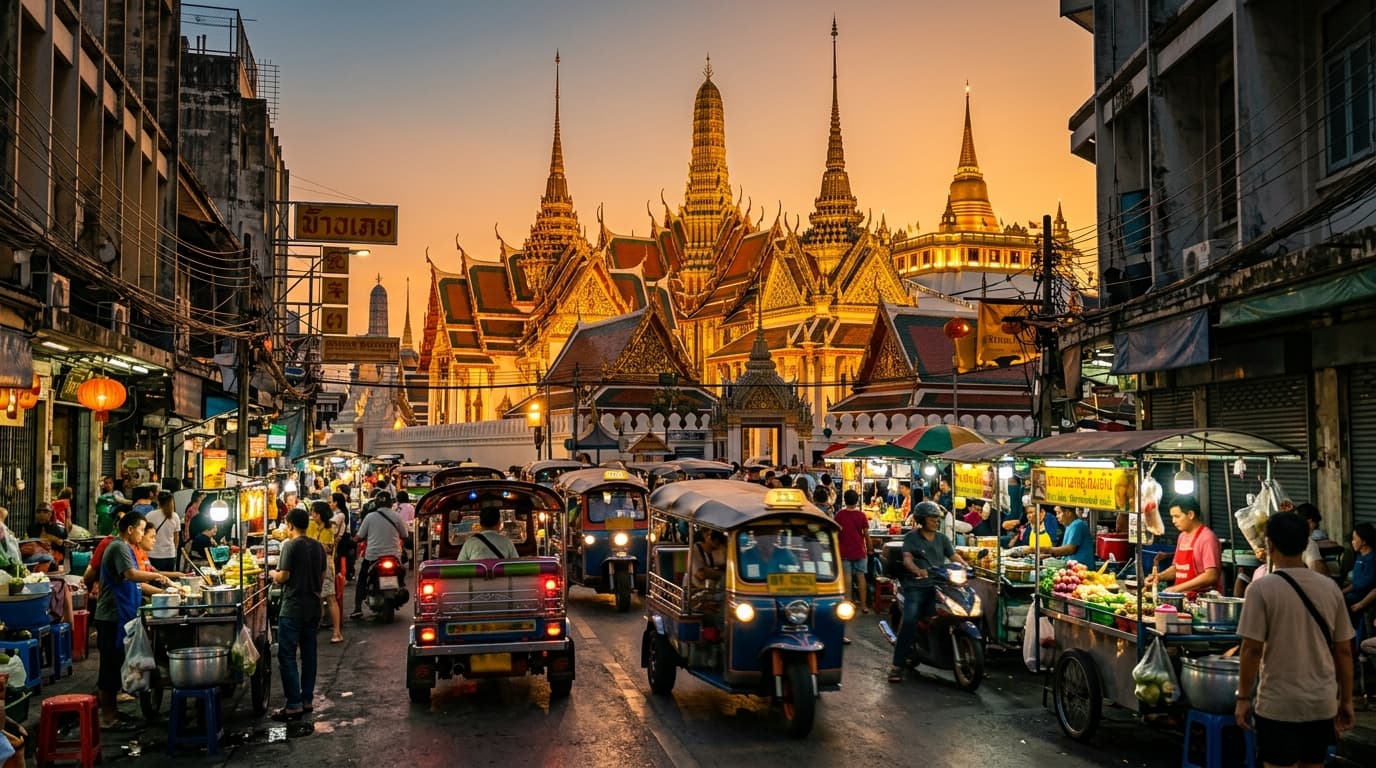
While Barcelona's Sagrada Familia and Madrid's Prado Museum draw millions annually, hidden gems in Spain offer something far more precious: authentic encounters with Spanish culture, local traditions, and landscapes untouched by mass tourism. Our research team has spent considerable time exploring Spain's lesser-known corners, and we've discovered that some of the country's most rewarding experiences lie in small towns and quiet regions that rarely appear in mainstream guidebooks.
Key Takeaways
| Question | Answer |
|---|---|
| What is the best time to visit hidden gems? | April-May and September-October offer pleasant weather and fewer crowds than summer months |
| How much does it cost? | Budget €30-50 per day in small towns; €50-80 in mid-sized hidden gems; accommodation €25-60 per night |
| How do I get there? | Regional trains and buses connect most hidden gems; rental cars offer maximum flexibility in rural areas |
| Is it safe? | Spain is generally very safe; small towns are particularly secure with minimal crime |
| What should I book in advance? | Accommodation in popular hidden gems (May-September); regional train tickets during peak season; popular restaurants on weekends |
1. Cuenca: A Medieval Town Suspended Between Cliffs
Perched dramatically above two river gorges in central Spain, Cuenca feels like stepping into a medieval painting. The town's most iconic feature is its hanging houses—centuries-old structures that literally extend over the cliff edge, their wooden balconies suspended above the Huécar River far below. When we explored Cuenca during a spring visit, the morning mist rising from the gorges created an almost ethereal atmosphere that photographs simply cannot capture.
The town's historic center is a UNESCO World Heritage Site, yet it remains refreshingly free of the tourist congestion found in more famous destinations. Narrow cobblestone streets wind between whitewashed buildings, hidden plazas offer quiet spots for reflection, and local residents outnumber visitors even during peak season.
The Hanging Houses and River Views
The suspended houses along Calle Alfonso VIII are Cuenca's most photographed feature, and rightfully so. These 15th and 16th-century structures cling to the cliff face with an almost impossible grace. The best views come from the opposite riverbank—a short walk down from the main town leads to a viewpoint where you can see the houses in their full dramatic context. Early morning light makes the golden stone glow, and the relative absence of crowds at dawn makes this an ideal time to visit.
Beyond the famous hanging houses, the town offers several vantage points overlooking both the Huécar and Júcar rivers. The Parador de Cuenca, a converted convent, sits at the town's edge and offers spectacular views from its terrace—you needn't be a guest to enjoy a coffee there and take in the panorama.
Local Cuisine and Dining
Cuenca's food scene reflects the region's agricultural traditions and proximity to both mountains and rivers. Local specialties include:
- Morteruelo: A traditional pâté-like dish made from game, liver, and spices, served as a starter
- Gazpacho manchego: A hearty stew quite different from the cold Andalusian gazpacho
- Trucha a la navarra: Fresh trout prepared simply, reflecting the region's river heritage
- Morcilla: Local blood sausage, often served as part of a traditional breakfast
Dining in Cuenca means eating where locals eat. Small family-run restaurants in the old town serve authentic regional food at prices that would shock anyone accustomed to Madrid or Barcelona. During our visit, a three-course meal with wine rarely exceeded €20 per person.
Where to Stay in Cuenca
Accommodation options range from budget hostels to charming guesthouses in converted historic buildings. The old town offers the most atmospheric stays, though rooms tend to be smaller due to the medieval architecture. The newer town below offers more space and modern amenities at slightly lower prices. Budget €30-50 per night for comfortable mid-range options in the historic center.
2. Ronda: Drama and History in Andalusia
Perched on a dramatic plateau in Andalusia, Ronda commands one of Spain's most spectacular settings. The town sits 750 meters above sea level, surrounded by steep cliffs and gorges that create an almost fortress-like isolation. The Puente Nuevo (New Bridge), completed in 1793, spans a 120-meter gorge and is one of Spain's most iconic structures—yet Ronda remains far less crowded than nearby Granada.
Ronda holds significant importance in Spanish history and culture. The town is credited as the birthplace of modern bullfighting, and its bullring—one of Spain's oldest—still hosts corridas during the spring season. Beyond the bullfighting heritage, Ronda offers whitewashed streets, Moorish architecture, and sweeping views that have inspired artists and writers for centuries.
The Puente Nuevo and Gorge Views
The bridge itself is an engineering marvel of the 18th century, and the views from either side are extraordinary. The best approach is to walk across the bridge from the modern town toward the old Moorish quarter—this gives you the full impact of the structure's scale and the dramatic gorge below. The viewpoint on the far side of the bridge offers the most photographed angle, but venture beyond the main viewpoint to find quieter spots along the cliff edge where you can sit undisturbed.
During our time in Ronda in late April, the wildflowers blooming along the cliff paths added unexpected color to the dramatic landscape. The gorge itself is home to griffon vultures and other raptors—bring binoculars if you're interested in birdwatching.
Moorish Quarter and Historic Architecture
The old town's narrow streets follow Moorish urban planning principles, with winding paths designed to provide shade and defense. The Palacio de Mondragón, a 14th-century palace, now houses a museum and offers insight into Ronda's Islamic heritage. The town's two main plazas—Plaza de España and Plaza Duomo—provide gathering spaces with cafés where you can watch local life unfold.
Key sites worth exploring:
- Casa del Rey Moro: A 17th-century mansion with underground access to the river—the "Mine" (Mina) descends 365 steps into the gorge
- Iglesia de Santa María la Mayor: Built on the site of a former mosque, blending Christian and Islamic architectural elements
- Baños Árabes: Moorish bathhouse ruins offering insight into medieval daily life
- Museo de Ronda: Local history museum housed in a palace, covering everything from prehistoric times to modern era
Dining and Local Experiences
Ronda's restaurants cluster around the main plazas and along the streets leading to the bridge. The town's cuisine reflects its Andalusian location, with gazpacho, espetos (grilled fish), and jamón ibérico featuring prominently. What distinguishes Ronda's food scene is the emphasis on locally-sourced ingredients and traditional recipes passed down through generations.
A practical tip: avoid restaurants with picture menus or those aggressively targeting tourists near the bridge. The best meals happen in smaller establishments one or two streets back from the main tourist routes, where locals actually eat.
3. Civitavecchia and the Asturian Coast: Mountains Meet Sea
While the Costa del Sol attracts millions, the rugged Asturian coast in northern Spain remains relatively undiscovered. Civitavecchia and surrounding coastal towns offer dramatic cliffs, pristine beaches, and a completely different Spain—one shaped by Celtic influences, maritime traditions, and green mountains that plunge directly into the Atlantic.
The region's geography creates a unique microclimate. Frequent rain keeps the landscape impossibly green, and the Atlantic waters are cold even in summer. This keeps away the beach-resort crowds, leaving behind a landscape of wild beauty and authentic fishing villages.
Coastal Walks and Natural Landscapes
The Asturian coast is a hiker's paradise. Coastal paths connect villages and offer views of dramatic rock formations, hidden coves, and sea stacks. The Picos de Europa mountains rise directly inland, creating a landscape of extraordinary vertical relief. During our research in this region, we found that even popular walking routes saw only a handful of other hikers—a stark contrast to overcrowded trails in more famous destinations.
The beaches here differ dramatically from southern Spanish shores. Rather than golden sand and calm Mediterranean waters, expect dramatic rock formations, powerful Atlantic swells, and cooler temperatures. This makes the region ideal for surfing, kayaking, and adventure sports rather than sunbathing.
Natural attractions worth exploring:
- Playa de Torimbia: A pristine, clothing-optional beach accessible only by foot, surrounded by dramatic cliffs
- Cabrales Gorge: A spectacular canyon carved by the Cares River, offering hiking and kayaking opportunities
- Bufones de Pría: Natural blowholes where seawater sprays dramatically through cliff openings during rough seas
Local Food and Cider Culture
Asturias has a distinct food culture centered on seafood, dairy, and locally-produced cider. The region produces its own cider (sidra), which is poured from height to aerate it—a ritual you'll see in local bars. Fabada asturiana, a hearty bean stew with local chorizo and morcilla, is the region's signature dish.
Dining in Asturian coastal towns means fresh fish prepared simply. Espetos (small grilled fish), percebes (goose barnacles), and local cheeses appear on nearly every menu. Prices are notably lower than in tourist-heavy areas, with excellent meals available for €15-25 per person.
4. Úbeda and Baeza: Renaissance Jewels of Andalusia
In the olive oil heartland of Jaén province, two Renaissance towns sit just 9 kilometers apart: Úbeda and Baeza. Both are UNESCO World Heritage Sites, yet they receive a fraction of the visitors that flock to Granada or Córdoba. These towns represent one of Spain's most significant architectural periods—the 16th-century Renaissance—when local nobility commissioned impressive palaces and churches.
Úbeda is the larger and more architecturally ambitious of the two, with grand plazas and ornate facades. Baeza is smaller and more intimate, with narrow streets and a more human scale. Together, they offer a masterclass in Spanish Renaissance architecture without the crowds.
Architectural Heritage and Plaza Mayor
Úbeda's Plaza Vázquez de Molina is one of Spain's most harmonious plazas, surrounded by Renaissance palaces and the Sacra Capilla del Salvador—a chapel that rivals many cathedrals in its architectural ambition. The plaza's proportions and the quality of the surrounding buildings create an almost perfect Renaissance composition.
Baeza's Plaza del Pópulo is smaller but equally charming, with the Cathedral and various noble houses creating an intimate gathering space. The town's layout encourages wandering—narrow streets reveal hidden courtyards, Renaissance doorways, and quiet corners where time seems to have stopped.
Olive Oil and Agricultural Heritage
The surrounding region produces some of Spain's finest olive oil. Several estates offer tours and tastings, providing insight into both the agricultural traditions and the wealth that funded the towns' architectural splendor. The connection between olive oil production and Renaissance architecture is direct—the prosperity of the 16th century came from agricultural trade.
Experiences in the region:
- Olive oil tastings: Local cooperatives and private estates offer guided tastings with bread and local products
- Agricultural tours: See olive groves and learn about traditional and modern harvesting methods
- Market visits: Local markets in both towns offer fresh produce, local cheeses, and artisanal products
Practical Advantages for Travelers
Both towns are small enough to explore thoroughly in a day, yet offer enough depth to warrant an overnight stay. Accommodation is significantly cheaper than in major tourist destinations—expect €25-40 per night for comfortable mid-range hotels. Restaurants serve excellent food at local prices, with three-course meals available for €12-18.
The towns' small size means you'll encounter the same shopkeepers and restaurant staff multiple times during a stay, creating a sense of genuine connection rather than the transactional tourism of larger cities.
5. Nerja: Caves and Coastal Beauty Without the Crowds
On the Costa del Sol, between Málaga and the white villages of Andalusia, Nerja offers Mediterranean beauty with a village atmosphere. The town is famous for its dramatic sea caves—the Cuevas de Nerja—which extend for over 5 kilometers and contain chambers large enough to host concerts and theater productions.
Unlike the overdeveloped resorts that dominate much of the Costa del Sol, Nerja has maintained a more authentic character. The town center retains narrow streets and local businesses, while the beach offers both developed areas and quieter coves accessible by short walks.
The Nerja Caves and Underground Wonders
The Cuevas de Nerja are among Spain's most impressive natural formations. Stalactites and stalagmites create otherworldly landscapes, and the sheer scale of the chambers is astonishing. The caves were inhabited in prehistoric times, and archaeological finds suggest human presence dating back thousands of years.
Visiting the caves involves a guided tour through well-lit passages. The tours are informative without being overwhelming, and the experience of walking through these underground chambers never loses its sense of wonder. During summer, the caves host classical music concerts—performing in these acoustically perfect natural chambers creates an unforgettable experience.
Cave visiting tips:
- Book in advance during summer: Peak season sees long queues; advance booking guarantees entry
- Wear comfortable shoes: The cave floor can be uneven and slippery
- Bring a light jacket: Caves maintain a constant cool temperature year-round
- Allow 90 minutes: The standard tour takes about 90 minutes, including walking time
Beach Life and Coastal Walks
Nerja's main beach is pleasant but can get crowded in summer. More rewarding are the smaller coves accessible by short walks along the coast. The Balcón de Europa—a promenade jutting into the sea—offers views of the coastline and access to smaller beaches below.
The coastal path heading east from the main beach leads to increasingly quiet coves, with the last accessible beach being Playa de Maro, about 2 kilometers away. This walk takes about 45 minutes and offers excellent views of the dramatic coastline.
Where to Eat and Stay
Nerja's restaurant scene is more authentic than many Costa del Sol towns. Restaurants cluster around the main beach and the Balcón de Europa, but venture into the town center to find family-run establishments serving local food at reasonable prices. Espetos (grilled sardines), gazpacho, and fresh fish dominate menus.
Accommodation ranges from budget hostels to mid-range hotels, with prices significantly lower than in nearby Málaga or the more developed resorts. Expect €30-50 per night for comfortable rooms in the town center.
6. Olite: Medieval Castle and Wine Country
In Navarre, in Spain's north-central region, the small town of Olite centers on one of Spain's most impressive medieval castles. The Castillo de Olite dominates the town's skyline with its dramatic towers and crenellated walls—it looks like a castle from a fairy tale, yet most international travelers have never heard of it.
The castle was a royal residence of the Kings of Navarre, and its architecture reflects both defensive needs and royal comfort. The town itself is charming, with narrow streets and local character, and the surrounding region produces excellent wines.
The Castle and Medieval Architecture
The Castillo de Olite is remarkable for its state of preservation and its dramatic appearance. Unlike many Spanish castles that are partially ruined, Olite's castle has been carefully restored while maintaining its medieval character. Visitors can walk the ramparts, explore towers, and imagine life in a royal medieval court.
The castle's location on a hilltop provides views over the surrounding countryside—a landscape of vineyards, small villages, and distant mountains. The contrast between the castle's dramatic medieval architecture and the peaceful rural landscape below is striking.
Wine Region and Local Gastronomy
The Navarre wine region produces excellent wines that are less known internationally than Rioja but equally worthy. Local bodegas offer tours and tastings, and the region's restaurants feature local wines prominently on their menus.
The local food reflects both Navarrese traditions and the influence of the Camino de Santiago pilgrimage route that passes through the region. Espárragos de Navarra (white asparagus) are a seasonal specialty, and local cheeses and cured meats feature prominently.
Wine and food experiences:
- Bodega tours: Local wineries offer tastings and tours; many are small, family-run operations
- Wine bars: Local bars serve wines by the glass with pintxos (small snacks)
- Market visits: The local market offers seasonal produce, local cheeses, and cured meats
- Cooking classes: Some local restaurants offer classes featuring regional specialties
7. Albarracín: A Town Frozen in Time
High in the mountains of Teruel province, Albarracín is a small medieval town that seems to have escaped the modern world entirely. Narrow streets wind between ancient buildings, many with wooden balconies and traditional architecture. The town is built on a hillside overlooking a dramatic bend in the Guadalaviar River, creating a naturally fortified position.
Albarracín's isolation—it's about 40 kilometers from the nearest significant city—has preserved its character. Tourism exists, but on a small scale, and the town retains a genuine sense of place rather than feeling like a museum exhibit.
Medieval Streets and Architecture
Walking through Albarracín's streets is like stepping into a medieval town. The buildings are genuinely old, the streets genuinely narrow, and the sense of history is palpable. The town's walls still partially stand, and walking along them provides views of the surrounding landscape and the river below.
The town's small size means you can explore it thoroughly in a few hours, yet it rewards lingering. Sitting in a quiet plaza with a coffee, watching local life unfold, provides a different kind of travel experience than rushing between major attractions.
Natural Setting and Outdoor Activities
Albarracín's dramatic setting makes it an excellent base for outdoor activities. The surrounding mountains offer hiking trails of varying difficulty, and the river provides opportunities for kayaking and fishing. Rock climbing is popular in the area, with several crags attracting climbers.
The town's small size and rural setting mean that services are limited—there's no supermarket, and restaurants close between lunch and dinner. This requires some planning but also contributes to the town's authentic character.
8. The Alpujarra: White Villages and Mountain Culture
South of Granada, the Alpujarra region stretches across the southern slopes of the Sierra Nevada mountains. This area of white villages, terraced agriculture, and mountain culture feels distinctly different from the rest of Andalusia. The region has a bohemian character, with many villages attracting artists, writers, and alternative communities alongside traditional residents.
The Alpujarra's geography—steep mountain slopes with limited flat land—created a unique settlement pattern. Villages cling to mountainsides, connected by winding roads and walking paths. The landscape is dramatic, with views of the Mediterranean Sea visible from higher elevations.
White Villages and Local Culture
The Alpujarra's white villages—Órgiva, Pampaneira, Capileira, and others—offer authentic Andalusian culture without the tourist infrastructure of more famous white villages. Each village has its own character, local restaurants, and artisan shops. The pace of life is noticeably slower than in Granada or other major cities.
The region has attracted international residents and artists, creating an interesting cultural blend. You'll find yoga studios alongside traditional bars, organic farms alongside traditional agriculture, and international residents living alongside families who have inhabited the region for generations.
Hiking and Mountain Activities
The Alpujarra is excellent for hiking. Trails connect villages, follow river valleys, and climb into the Sierra Nevada. The region's elevation—ranging from 600 to 2,000 meters—creates varied ecosystems and dramatic changes in vegetation and landscape.
Popular activities in the region:
- Village-to-village hiking: Multi-day treks connecting villages, with accommodation in local guesthouses
- Day hikes: Shorter walks from individual villages to nearby viewpoints or neighboring towns
- Mountain biking: Trails suitable for various skill levels
- Horseback riding: Local guides offer rides through the mountains
- Photography: The dramatic landscape and traditional architecture attract photographers
Where to Stay and Eat
Accommodation in the Alpujarra ranges from budget hostels to charming guesthouses in converted traditional houses. Prices are significantly lower than in Granada or other major tourist destinations. Many guesthouses are run by international residents who understand traveler needs while maintaining local character.
Restaurants serve both traditional Alpujarra food and international cuisine. The region's agricultural traditions mean fresh vegetables feature prominently, and local cheeses and cured meats are excellent.
9. Segovia: Beyond the Aqueduct
While Segovia's Roman aqueduct is famous, most visitors miss the town's other treasures. The medieval old town, the dramatic Alcázar castle, and the cathedral rival any major Spanish city in architectural significance. Yet Segovia remains far less crowded than Madrid, just 50 kilometers away.
Segovia's location on a hilltop surrounded on three sides by rivers created a naturally defensible position. The town's prosperity came from wool trade and royal patronage, resulting in impressive architecture from multiple periods. The combination of Roman engineering, medieval streets, Renaissance palaces, and Gothic cathedral creates a remarkable historical layering.
The Aqueduct and Roman Heritage
The aqueduct is indeed impressive—over 2,000 years old and still functioning, it's one of the best-preserved Roman structures in Spain. However, most visitors photograph it and move on. The aqueduct's true significance becomes apparent when you understand it as part of a larger Roman city. Walking along the aqueduct's length and exploring the neighborhoods it served provides deeper appreciation.
Medieval Town and Cathedral
Segovia's medieval streets are genuinely charming, with narrow passages, hidden plazas, and traditional architecture. The Cathedral is one of Spain's finest Gothic structures, with an interior of remarkable proportions and light. The Alcázar castle, perched on the town's highest point, offers views over the surrounding landscape and the opportunity to explore royal chambers and defensive structures.
Key sites in Segovia:
- Cathedral of Segovia: One of Spain's finest Gothic structures, with remarkable interior light and proportions
- Alcázar Castle: Royal residence with dramatic towers and views over the surrounding landscape
- Plaza Mayor: Charming central plaza surrounded by traditional buildings and restaurants
- Jewish Quarter: Medieval streets with historical significance and local character
Dining and Local Specialties
Segovia is famous for roast suckling pig (cochinillo asado), a traditional dish that appears on many restaurant menus. The dish is expensive by Spanish standards but represents a genuine local specialty. Beyond cochinillo, local restaurants serve traditional Castilian food featuring game, legumes, and local produce.
The town's proximity to Madrid means it's a popular day-trip destination, creating crowding around major sites during midday. Arriving early or staying overnight allows you to experience the town more authentically.
10. Montilla and Córdoba Province: Wine, Oil, and History
While Córdoba city attracts tourists, the surrounding province offers quieter experiences. Montilla, a small town in Córdoba province, is famous for its fortified wine (Montilla-Moriles) and serves as an excellent base for exploring the region's agricultural heritage and smaller historical sites.
The region's economy has historically centered on wine and olive oil production, creating a landscape of vineyards and olive groves. Small towns dot this landscape, each with local character and authentic restaurants serving regional food.
Wine and Olive Oil Heritage
Montilla's wine region produces excellent fortified wines that are less internationally famous than Jerez sherry but equally worthy. Local bodegas offer tours and tastings, and many are small, family-run operations that provide genuine insight into winemaking traditions.
The region's olive oil is equally impressive. Several estates offer tours showing both traditional and modern production methods, and tastings with local bread provide excellent introduction to the region's agricultural products.
Agricultural experiences:
- Bodega tours and tastings: Local wineries offer guided tours and tastings
- Olive oil tastings: Estates demonstrate production and offer tastings with bread
- Market visits: Local markets offer seasonal produce, wines, and oils
- Agricultural landscapes: Driving or cycling through vineyards and olive groves offers beautiful scenery
Smaller Historical Sites
The region contains several smaller historical sites that receive minimal tourism. These include medieval castles, churches with artistic significance, and archaeological sites. The lack of crowds makes visiting these sites a more contemplative experience than visiting major tourist attractions.
1-Day Itinerary: Cuenca
Morning (8:00-12:00): Start early to avoid crowds. Arrive in Cuenca by 8:00 AM and head directly to the viewpoint across the river from the hanging houses. Spend an hour photographing and absorbing the dramatic landscape. Return to town and explore the narrow streets of the old town, stopping for coffee at a local café.
Midday (12:00-14:00): Lunch at a local restaurant in the old town. Order local specialties like morteruelo or gazpacho manchego. Take time to sit and watch the town's rhythm.
Afternoon (14:00-18:00): Visit the Museo de Cuenca or explore the Cathedral. Walk the cliff-edge paths for additional views. Visit the Parador viewpoint for late-afternoon light on the hanging houses.
Evening (18:00+): Dinner at another local restaurant. Walk the old town streets as evening light softens the stone buildings.
3-Day Itinerary: Úbeda, Baeza, and Olive Oil Country
Day 1: Úbeda Arrive in Úbeda by midday. Explore Plaza Vázquez de Molina and the surrounding Renaissance palaces. Visit the Sacra Capilla del Salvador. Dinner at a local restaurant. Stay overnight in the old town.
Day 2: Baeza and Olive Oil Morning drive to Baeza (9 km). Explore the town's plazas and Cathedral. Afternoon olive oil tasting at a local estate. Return to Úbeda for dinner.
Day 3: Agricultural Heritage Morning visit to a local bodega or cooperative. Afternoon exploring the countryside by car or bike, visiting smaller villages and agricultural landscapes. Late afternoon return to Úbeda or departure.
Did You Know? Spain's hidden gems often sit on UNESCO World Heritage Sites but receive a fraction of the visitors of major tourist destinations. Cuenca, Úbeda, and Baeza are all UNESCO-designated, yet see far fewer international visitors than Barcelona or Madrid.
Comparison Table: Hidden Gem Characteristics
| Destination | Best For | Crowd Level | Cost Level | Highlights |
|---|---|---|---|---|
| Cuenca | Photography, architecture | Very Low | Budget | Hanging houses, gorge views, medieval streets |
| Ronda | History, dramatic scenery | Low-Medium | Budget-Mid | Puente Nuevo, Moorish quarter, bullfighting heritage |
| Asturian Coast | Nature, adventure sports | Very Low | Budget | Dramatic cliffs, pristine beaches, hiking |
| Úbeda & Baeza | Renaissance architecture, wine | Very Low | Budget | Palaces, plazas, olive oil heritage |
| Nerja | Caves, beach, coastal walks | Medium | Budget-Mid | Cuevas de Nerja, Mediterranean views |
| Olite | Medieval castles, wine | Very Low | Budget | Castle, Navarre wines, authentic villages |
| Albarracín | Medieval atmosphere, hiking | Very Low | Budget | Timeless streets, mountain setting, outdoor activities |
| Alpujarra | Mountain culture, hiking, bohemian vibe | Low | Budget | White villages, Sierra Nevada, artistic community |
| Segovia | Roman history, architecture | Medium | Budget-Mid | Aqueduct, Cathedral, Alcázar castle |
| Montilla | Wine, olive oil, agriculture | Very Low | Budget | Fortified wines, agricultural heritage, authentic dining |
What to Avoid: Common Mistakes in Hidden Gem Travel
Overestimating accessibility: Many hidden gems have limited public transportation. Renting a car provides flexibility, but requires comfort with Spanish driving conditions and narrow mountain roads. Alternatively, plan routes using regional trains and buses, which are reliable but less frequent than in major cities.
Underestimating siesta culture: In smaller towns, restaurants close from 14:00-18:00, and many shops close for two hours at midday. Plan accordingly—have lunch during normal hours, and don't expect to find dinner before 20:00.
Arriving without accommodation booked: While hidden gems are less crowded than major cities, popular ones (especially Cuenca and Ronda) can fill during peak season. Book ahead, particularly May-September.
Expecting English speakers: In smaller towns, English proficiency is lower than in major cities. Learning basic Spanish phrases and carrying a translation app helps considerably. Locals appreciate the effort to speak Spanish, even imperfectly.
Visiting only one hidden gem: The temptation is to spend all your time in one spectacular location. Instead, plan a route connecting 2-3 hidden gems, allowing you to experience regional variation and avoid over-tourism of any single destination.
Practical Information for Hidden Gem Travel
Getting Around: Regional trains connect most hidden gems to major cities. The Spanish rail network offers reasonable fares and reliable service. For more remote locations, rental cars provide flexibility. Buses are economical but slower than trains.
Accommodation: Book through local tourism websites or small hotel booking sites rather than major platforms. This often supports local businesses and can yield better rates. Many hidden gems have family-run guesthouses offering authentic experiences at budget prices.
Money Matters: All destinations accept cards, but small towns have fewer ATMs. Carry cash as backup. Prices in hidden gems are notably lower than in major tourist cities—budget €30-50 per day in small towns versus €60-100 in Barcelona or Madrid.
Language: While major cities have English speakers, hidden gems do not. Learning basic Spanish phrases—"Do you speak English?", "How much?", "Where is...?"—helps considerably. Translation apps work reasonably well for written communication.
Connectivity: Purchase a local SIM card or eSIM for reliable mobile connectivity. Spanish mobile networks are excellent, even in rural areas.
Best Time to Visit: April-May and September-October offer pleasant weather and fewer crowds than summer. July-August brings heat and peak tourism. Winter (November-February) is quiet but some attractions have reduced hours.
Frequently Asked Questions
Which hidden gem is best for a first-time Spain visitor?
Cuenca or Segovia are ideal for first-time visitors because they're accessible (close to Madrid), offer remarkable architecture and scenery, and have sufficient tourist infrastructure without feeling overdeveloped. Both can be visited as day trips from Madrid or as overnight stays.
Can I visit multiple hidden gems in one trip?
Absolutely. A two-week trip could include Cuenca, Ronda, Nerja, and the Alpujarra, covering different regions and experiences. Plan your route to minimize driving time—grouping destinations by region (Andalusian hidden gems together, Castilian ones together) makes sense.
Are hidden gems safe for solo travelers?
Spain is very safe, and hidden gems are particularly secure. Solo travel in these destinations is common and straightforward. Small-town atmosphere means locals notice visitors and look out for them.
How much money should I budget for hidden gems?
Budget €30-50 per day in small towns (accommodation €25-40, food €10-15, activities €5-10). Mid-sized hidden gems like Nerja or Segovia might run €50-80 per day. This is significantly less than major cities.
What's the best way to experience local culture in hidden gems?
Eat where locals eat—avoid restaurants with picture menus or those near major attractions. Visit local markets, attend evening paseos (evening strolls) in plazas, and stay overnight to experience the town outside peak tourist hours. Learning basic Spanish phrases shows respect and often leads to genuine interactions.
Do I need a rental car to visit hidden gems?
Not necessarily. Regional trains and buses connect most hidden gems. However, a rental car provides flexibility for visiting multiple smaller destinations and exploring surrounding countryside. If driving, be prepared for narrow mountain roads and limited parking in old towns.
Which hidden gems are best for specific interests?
Architecture: Cuenca, Úbeda, Baeza, Segovia Nature/Hiking: Asturian coast, Alpujarra, Albarracín Wine/Food: Montilla, Olite, Rioja region Beaches: Nerja, Asturian coast Medieval atmosphere: Albarracín, Ronda, Olite
Conclusion
Spain's hidden gems offer something increasingly rare in modern travel: authentic experiences in genuine places where local culture remains primary and tourism secondary. From Cuenca's dramatic hanging houses to the Alpujarra's bohemian mountain villages, these destinations reward travelers willing to venture beyond the well-worn tourist paths.
The beauty of hidden gems lies not just in their architecture or scenery, but in the opportunity to experience Spain as it actually exists—where locals outnumber tourists, restaurants serve food they actually eat, and streets reveal themselves gradually rather than being packaged for consumption.
Our research team has found that the most memorable travel experiences often come not from checking off famous attractions, but from unexpected moments in quiet places: morning coffee in a small-town plaza, conversations with restaurant owners, sunset views from a castle rampart, the particular quality of light on ancient stone.
Ready to explore Spain beyond the guidebooks? Start with our comprehensive Spain travel guide to plan your route, or explore specific regions like Andalusia and Castile to understand regional context. For practical information, check our guides on Spanish transportation, currency and costs, and safety tips.
We may earn a small commission from bookings made through our links, at no extra cost to you. This helps us keep creating free travel guides for destinations around the world.
The Go2Spain Team is committed to providing field-tested, honest travel advice. Learn more about how we research our destinations and read our editorial policy to understand our commitment to accuracy and transparency.
Bronnen & Referenties
Dit artikel is gebaseerd op eigen ervaring en geverifieerd met de volgende officiele bronnen:

Go2Spain Team
Gevestigd in Spanje sinds 2020 | Alle 17 regio's bezocht | Maandelijks bijgewerkt
Wij zijn een team van reisschrijvers en Spanje-liefhebbers die het land het hele jaar door verkennen. Onze gidsen zijn gebaseerd op eigen ervaring, lokale kennis en geverifieerde officiele bronnen.
Meer over ons →Anderen lezen ook

Hidden Gems in Spain That Most Travelers Miss
Discover Spain's best-kept secrets beyond Barcelona and Madrid. Explore authentic towns, local culture, and experiences most tourists never find.
Best Things to Do in Spain: Experiences Worth Booking
Explore the best things to do in Spain with our guide to must-book experiences like flamenco, wine tours, and hikes. Compare options, pros/cons, and booking tips.

Spain Weather Guide: Seasons, Packing and Regional Differences
Complete guide to Spain's weather by season and region. Learn what to pack, best travel times, and how climate varies from coast to mountains.

Spain eSIM and Internet Guide for Travelers: Complete 2026 Connectivity Guide
Complete guide to staying connected in Spain: eSIM options, local SIM cards, WiFi, pricing, and step-by-step setup instructions for 2026.