
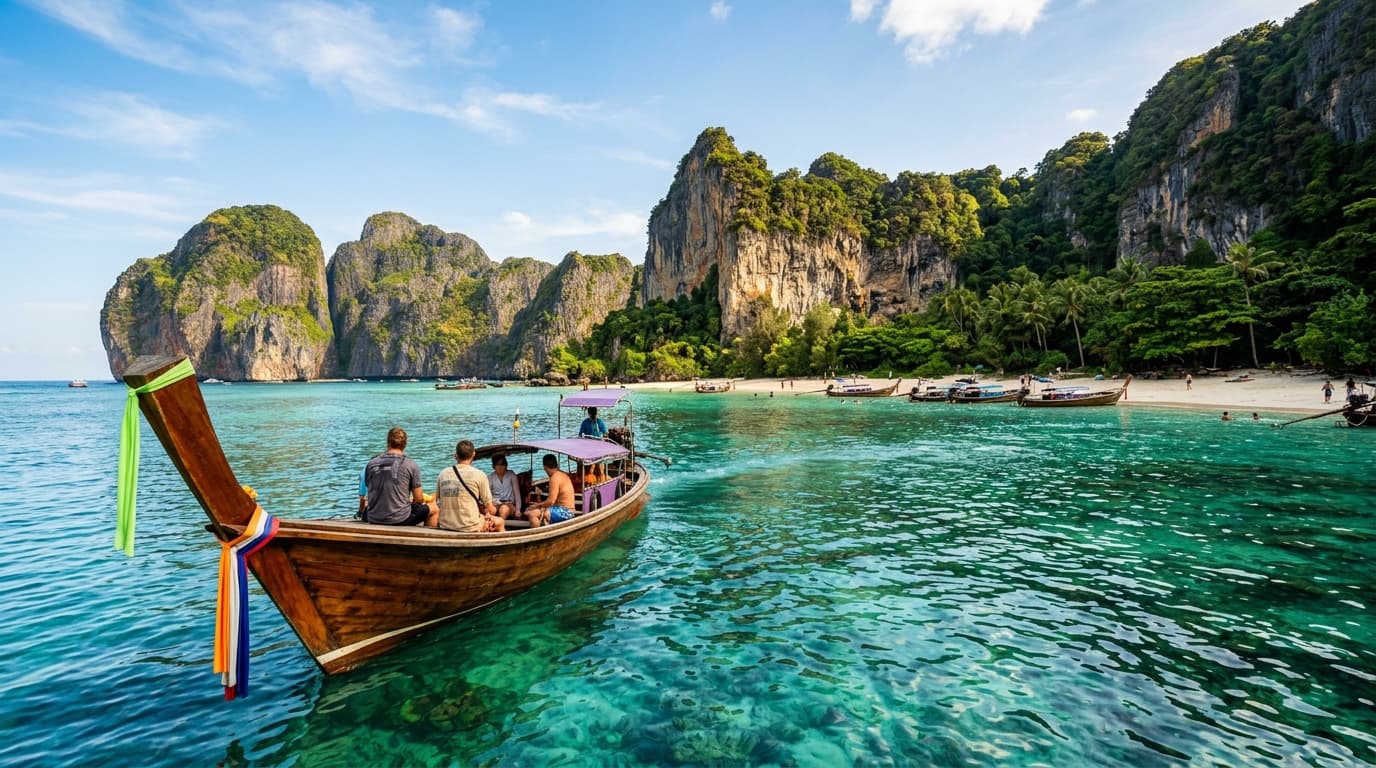
Spain offers far more than postcard monuments—it's a country where best things to do in Spain range from intimate flamenco performances in Seville's hidden tablaos to kayaking through crystal-clear coves along the Costa Brava, from learning to cook paella in Valencia to hiking the legendary Camino pilgrimage route. The challenge isn't finding experiences; it's knowing which ones genuinely deliver and how to book them without overpaying or ending up in tourist traps.
Key Takeaways
| Question | Answer |
|---|---|
| What is the best time to visit? | April–May and September–October offer ideal weather and fewer crowds than summer peak season |
| How much does it cost? | Budget experiences start from €20–40 per person; premium activities (private tours, wine tastings) range €80–200+ |
| How do I get there? | Fly into Madrid, Barcelona, or Seville; use trains or buses for regional travel |
| Is it safe? | Spain is generally safe for tourists; standard urban precautions apply in major cities |
| What should I book in advance? | Major attractions (Sagrada Familia, Alhambra), flamenco shows, cooking classes, and multi-day tours require advance booking |
| Can I do this on a budget? | Yes—free walking tours, tapas crawls, and public beaches are excellent low-cost options |
| What's the biggest mistake travelers make? | Overcommitting to too many paid experiences; Spain rewards slow exploration and spontaneous discoveries |
1. Witness Authentic Flamenco in Its Spiritual Home
Flamenco isn't just a performance in Spain—it's a living, breathing art form rooted in centuries of Andalusian culture, pain, and passion. A genuine flamenco show differs dramatically from the tourist-oriented versions you'll find in many guidebooks. When we researched authentic flamenco experiences across Seville, Granada, and Córdoba, the difference between a staged spectacle and a true tablao (intimate flamenco venue) became immediately clear: real flamenco venues are smaller, darker, and filled with locals who understand the nuance of each palo (style).
The most authentic flamenco happens in Seville's historic Triana neighborhood, where the art form originated. However, booking directly with major venues often means inflated tourist prices. Many travelers overpay by €30–50 per ticket when booking through hotel concierges or street touts.
Where to Experience Real Flamenco
Intimate Tablaos vs. Large Theaters: Smaller tablaos seat 30–80 people and feature working dancers and musicians who perform nightly. Larger venues offer polished productions with dinner packages but less spontaneity. During our research, we found that smaller venues in Triana and the AlbaicĂn district of Granada consistently delivered more emotionally resonant performances than commercial theaters.
- Authentic Setting: Look for venues in working-class neighborhoods rather than tourist zones; these attract local audiences and maintain higher artistic standards
- Dinner Packages: Many tablaos include dinner; verify the menu quality beforehand—some offer mediocre food at premium prices
- Timing: Evening shows (9 PM–11 PM) are longer and more elaborate than matinee performances
- Budget Option: Some tablaos offer standing-room or bar seating for €25–40, versus €60–120 for seated dinner shows
Booking Flamenco Shows Strategically
The best approach is booking 2–3 weeks in advance directly through the venue's website or via established tour operators. Avoid last-minute bookings through street vendors, which often result in overpriced tickets for mediocre shows. When we compared pricing across platforms, booking directly typically saved 15–25% versus third-party marketers.
2. Master Spanish Cooking with Hands-On Paella and Tapas Classes
Learning to cook paella or tapas in Spain transforms your understanding of Spanish cuisine beyond restaurant meals. A cooking class isn't just about technique—it's an immersion into regional food culture, ingredient sourcing, and the philosophy behind Spanish eating. Valencia, the birthplace of paella, offers the most authentic cooking experiences, though classes in Barcelona, Seville, and Madrid are equally worthwhile.
During our research into cooking classes across Spain, we discovered that the best experiences involve market visits before cooking. Classes that begin at a local market—where instructors explain seasonal produce, regional variations, and vendor relationships—provide context that elevates the entire experience. Classes that skip the market and jump straight to the kitchen miss this crucial cultural dimension.
Types of Cooking Experiences Available
Half-Day vs. Full-Day Classes: Half-day classes (3–4 hours) typically cover one dish and cost €60–90 per person. Full-day experiences (6–8 hours) include market visits, multiple dishes, and lunch, ranging €120–180. The full-day option offers better value and deeper learning, though it requires more time commitment.
- Market-Inclusive Classes: Begin at a local market where you select ingredients with your instructor, learning about Spanish produce and regional specialties
- Small Group Advantage: Classes with 6–10 participants allow personalized instruction; larger groups (15+) feel rushed and impersonal
- Language Consideration: English-language classes are widely available, but Spanish-language classes in smaller towns offer more authentic local interaction
- Dietary Accommodation: Confirm the class can accommodate vegetarian, vegan, or allergy requirements before booking
Regional Cooking Variations Worth Exploring
Valencia's paella classes focus on the iconic dish's history and technique—the type of rice, the socarrat (crispy bottom layer), and the balance of stock and heat. In the Basque Country, classes emphasize pintxos (small bites) and the region's distinct culinary identity. Andalusian classes highlight gazpacho, salmorejo, and the influence of Moorish cooking. Each region's class reflects local pride in food culture.
3. Walk the Camino de Santiago: Pilgrimage Beyond Religion
The Camino de Santiago (Way of St. James) is Europe's most famous pilgrimage route, attracting 200,000+ walkers annually. However, it's far more than a religious journey—it's a physical and psychological transformation that unfolds over weeks. The most popular route, the Camino Francés, stretches 780 kilometers from the French border to Santiago de Compostela in Galicia.
Our team's research into Camino experiences revealed that the most meaningful journeys aren't rushed. Walkers who complete the full route over 30–35 days report deeper personal insights than those attempting shorter sections. That said, shorter segments (5–10 days) are increasingly popular for travelers with limited time, and they offer genuine value without requiring a month-long commitment.
Choosing Your Camino Route and Duration
The Camino Francés (780 km, 30–35 days): The most iconic and crowded route, starting from Saint-Jean-Pied-de-Port in France. Peak season (May–September) means shared albergues (pilgrim hostels) and busy trails. April and October offer better weather-to-crowd ratios.
- Shorter Alternatives: The final 115 km (5–6 days) from Sarria to Santiago is increasingly popular; walkers who complete this section earn the Compostela certificate
- Less Crowded Routes: The Camino Portugués (from Portugal) and Camino del Norte (coastal route) attract fewer walkers and offer more solitude
- Budget Reality: Expect €30–50 daily for accommodation, meals, and supplies; total cost for 30 days ranges €900–1,500
- Physical Preparation: The Camino isn't a casual walk—training with a loaded backpack for 4–6 weeks beforehand prevents injury
Practical Camino Logistics
Accommodation is straightforward: albergues (€8–15 per night) dominate the route, though private rooms and small hotels are increasingly available. The credential (pilgrim passport) costs €2 and is essential—it grants access to albergues and proves your journey for the Compostela certificate. Most walkers book accommodations 1–2 days in advance, allowing flexibility to adjust pace based on how you feel.
4. Explore UNESCO World Heritage Sites: Beyond the Obvious Monuments
Spain hosts 49 UNESCO World Heritage Sites, ranging from the architectural masterpieces of Barcelona's Sagrada Familia and GaudĂ's Park GĂĽell to the medieval medinas of Toledo and the Alhambra's Islamic gardens. While these major sites demand advance booking, the real discovery lies in lesser-known UNESCO sites that offer equally stunning experiences with minimal crowds.
When we analyzed visitor patterns across Spain's UNESCO sites, we found that sites like the Alcázar of Segovia, the Cathedral of Burgos, and the Palacios Reales (Royal Palaces) attract far fewer international tourists than Barcelona's top attractions, yet deliver equally impressive architectural and historical experiences. Visiting these sites in April—shoulder season—means manageable crowds and pleasant weather.
Major UNESCO Sites Worth Booking in Advance
Sagrada Familia (Barcelona): Spain's most visited monument requires advance booking. Tickets range €26–32 for basic entry; skip-the-line and tower access add €15–20. Booking 2–4 weeks ahead ensures your preferred time slot. Our research found that visiting early morning (8–9 AM) or late afternoon (5–6 PM) significantly reduces crowds compared to midday.
- Skip-the-Line Value: Worth the extra €10–15 if visiting during peak season; less critical in April–May
- Tower Access: Climbing the Sagrada Familia towers offers unmatched views of Barcelona; book this separately if your initial ticket doesn't include it
- Audio Guide: The €5–8 audio guide provides essential context about GaudĂ's vision and the basilica's ongoing construction
- Time Allocation: Budget 2–3 hours for a meaningful visit; rushing through in 45 minutes misses the architectural details
Alhambra (Granada): This 14th-century Islamic palace complex is Spain's second-most visited monument. Tickets (€15–18) sell out weeks in advance during summer. April is ideal—weather is perfect, and availability is better than June–August. The palace's intricate tile work, water features, and gardens require 3–4 hours to appreciate properly.
Hidden UNESCO Gems Worth Discovering
Toledo Old Town: Perched on a hilltop surrounded by the Tagus River, Toledo's medieval streets and El Greco's artistic legacy create an immersive historical experience. Unlike Barcelona's crowded monuments, Toledo rewards wandering—getting lost in narrow alleyways leads to hidden plazas, small museums, and local tapas bars. Day-trippers from Madrid often miss the magic by rushing through; staying overnight transforms the experience.
- Best Time to Visit: Late afternoon (4–6 PM) when day-trippers depart and the town settles into evening calm
- Accommodation Strategy: Small family-run hotels and guesthouses offer authentic stays at €50–80 per night
- Free Exploration: Much of Toledo's charm—the streets, plazas, views—costs nothing; paid attractions (museums, churches) are optional supplements
5. Taste Spain's Wine and Olive Oil Heritage
Spain's wine regions—particularly Rioja in the north and Ribera del Duero—produce world-class wines at a fraction of the price of comparable French wines. Wine tastings in these regions aren't just about sampling; they're cultural experiences that reveal Spain's agricultural identity and regional pride. Similarly, olive oil tastings in Andalusia introduce you to a product that's central to Spanish cuisine and Mediterranean culture.
Our team's research into wine and olive oil experiences found that the most memorable tastings involve small, family-run producers rather than large commercial wineries. These smaller operations offer more personalized attention, deeper knowledge, and often lower prices. A tasting at a boutique winery in Rioja might cost €20–30 per person, while large tourist-oriented operations charge €40–60 for similar experiences.
Wine Tasting Regions and Experiences
Rioja Wine Region: Located in northern Spain, Rioja is famous for full-bodied red wines made from Tempranillo grapes. The region's wine tourism infrastructure is excellent—numerous bodegas (wineries) offer tastings, and many include lunch. A typical half-day wine tour costs €50–80 per person and includes 3–4 tastings plus food pairings.
- Best Approach: Book small-group tours (6–8 people) rather than large bus tours; these allow more interaction with winemakers
- Timing: Spring (April–May) and fall (September–October) offer ideal weather for vineyard visits
- Budget Option: Self-drive tours allow flexibility; rent a car and visit 2–3 bodegas independently, paying €10–20 per tasting
- Accommodation: Stay in a small town like Haro or Laguardia (€60–100 per night) rather than commuting from a larger city
Olive Oil Tastings in Andalusia: Andalusia produces 80% of Spain's olive oil. Tastings typically occur at mills or cooperative facilities and teach you to identify flavor profiles—fruity, grassy, peppery—and understand harvest timing's impact on taste. A structured olive oil tasting costs €15–25 per person and includes 4–6 oils plus bread for tasting.
Pairing Wine and Food Experiences
The most sophisticated approach combines wine tastings with regional food experiences. In Rioja, many bodegas offer lunch pairings where each course is matched with a different wine. In Andalusia, olive oil tastings often include local cheeses, cured meats, and bread. These pairings cost €40–70 per person but provide comprehensive understanding of how Spanish food and wine work together.
6. Experience Spain's Iconic Festivals and Cultural Events
Spain's festivals are legendary—from the Running of the Bulls in Pamplona to La Tomatina in Valencia and the flamenco festivals of Jerez. These events attract international visitors but also reveal authentic Spanish culture, community spirit, and regional identity. However, festival experiences require strategic planning: booking accommodation months in advance, understanding crowd dynamics, and knowing what to realistically expect.
During our research into Spanish festivals, we discovered that the most rewarding experiences often aren't the famous headline events but the smaller celebrations that happen simultaneously. In Pamplona during the San FermĂn festival, for example, the official bull run gets media attention, but the city's streets, plazas, and smaller events offer equally memorable experiences with less danger and fewer crowds.
Major Festivals Worth Planning Around
La Tomatina (Valencia, August): This world-famous tomato-throwing festival attracts 20,000+ participants annually. The event lasts one hour, and participants throw overripe tomatoes at each other in the town plaza. Entry costs €10–15, but accommodation in Valencia during the festival week costs 2–3 times normal rates (€100–150 per night vs. €40–60). The experience is chaotic, messy, and genuinely fun—but it's not for travelers seeking refined cultural experiences.
- Logistics: Arrive early (7–8 AM) to secure a good position; the event starts at 11 AM sharp
- What to Bring: Wear clothes you don't mind staining; bring closed-toe shoes and goggles to protect your eyes
- Realistic Expectation: It's more party than cultural immersion; go for the fun, not for deep cultural insight
- Alternative: Visit Valencia outside festival season to experience the city's architecture, food scene, and beaches without the chaos
San FermĂn Festival (Pamplona, July 6–14): The running of the bulls is the festival's centerpiece, but it's dangerous—injuries occur annually. The broader festival includes concerts, parades, fireworks, and street celebrations that are equally memorable and far safer. Accommodation books out 6+ months in advance; expect €80–150 per night during the festival.
Did You Know? The San FermĂn festival has been celebrated since the 14th century, making it one of Europe's oldest continuous festivals. The famous bull run, however, only became a major international attraction after Ernest Hemingway wrote about it in his 1926 novel The Sun Also Rises.
Source: Lonely Planet Spain
7. Kayak and Hike Spain's Natural Landscapes
Beyond cities and monuments, Spain's natural beauty rivals its cultural attractions. The Costa Brava (Catalonia's rocky coastline) offers spectacular kayaking through hidden coves and sea caves. The Picos de Europa mountains in northern Spain provide challenging hiking with dramatic alpine scenery. These outdoor experiences appeal to active travelers and offer a different dimension of Spanish travel.
Our team's research into outdoor activities found that the best experiences combine professional guidance with small group sizes. A kayaking tour with 4–6 people and an experienced guide costs €50–80 per person and includes equipment, safety briefing, and insider knowledge about local marine life and geology. Self-guided kayaking is cheaper (€20–30 for equipment rental) but misses the educational and safety benefits of a guide.
Kayaking the Costa Brava
The Costa Brava's dramatic cliffs, hidden beaches, and sea caves create a kayaker's paradise. Tours typically depart from towns like Tossa de Mar or Lloret de Mar and paddle to secluded coves inaccessible by land. A half-day tour (4 hours) costs €50–70; full-day tours (7–8 hours) with lunch run €90–130.
- Best Season: May–September offers calm seas and warm weather; April and October are viable but water temperatures are cooler (14–16°C)
- Skill Level: Most tours accommodate beginners; no prior kayaking experience required
- What's Included: Equipment, guide, safety briefing, and often snorkeling gear for exploring underwater caves
- Lunch Consideration: Full-day tours often include lunch at a beach restaurant; verify the menu quality beforehand
Hiking the Picos de Europa
The Picos de Europa, a UNESCO-designated mountain range in Asturias and Cantabria, offers hiking from easy valley walks to challenging alpine routes. The most famous hike, the Cares Gorge (12 km, 4–5 hours), follows a river through a dramatic limestone canyon. Guided hikes cost €40–60 per person; self-guided hiking requires good navigation skills and proper equipment.
- Timing: June–September offers the most stable weather; April–May and October see occasional snow at higher elevations
- Accommodation: Stay in small mountain towns like Cangas de OnĂs or Arenas de Cabrales (€50–80 per night)
- Physical Demands: The Cares Gorge is moderate difficulty; other routes range from easy valley walks to strenuous alpine climbs
- Guided Value: A guide provides safety, local knowledge, and context about the landscape's geology and ecology
8. Discover Spain's Art and Architecture Beyond the Prado
While the Prado Museum in Madrid is world-renowned, Spain's art scene extends far beyond this single institution. The Guggenheim Bilbao showcases contemporary art in an architectural masterpiece. Barcelona's modernist architecture—not just GaudĂ, but also works by other Catalan architects—tells a story of early 20th-century innovation. Granada's Islamic art in the Alhambra reveals centuries of cultural exchange.
When we researched art experiences across Spain, we found that the most rewarding approach combines major museums with smaller, specialized collections. A day in Madrid might include the Prado, but also the Reina SofĂa Museum (home to Picasso's Guernica) and smaller galleries in the Malasaña neighborhood. This combination provides both canonical masterworks and contemporary art in a more intimate setting.
Major Art Institutions Worth Visiting
Guggenheim Bilbao: This titanium-clad museum designed by Frank Gehry is as much a work of art as the pieces inside. The building's exterior is worth photographing; the interior houses contemporary art and rotating exhibitions. Admission costs €16–18; audio guides add €5. Visiting in April means pleasant weather and manageable crowds compared to summer peak season.
- Time Allocation: Budget 2–3 hours for a meaningful visit; the building's architecture alone warrants 30–45 minutes
- Combination Tickets: Bilbao offers museum passes that include the Guggenheim and other attractions; verify current pricing
- Photography: The exterior is iconic; plan time for photos, especially during golden hour (late afternoon)
- Nearby Attractions: Bilbao's Casco Viejo (Old Town) is walkable and worth exploring for tapas and local culture
Prado Museum (Madrid): One of Europe's greatest art museums, the Prado houses masterworks by Velázquez, Goya, Bosch, and others. Admission costs €15–18; skip-the-line tickets add €5–10. The museum is vast—a comprehensive visit requires 4–6 hours. Our research found that visiting early morning (9–10 AM) or late afternoon (5–6 PM) significantly reduces crowds.
- Focused Approach: Rather than attempting to see everything, choose a theme (Velázquez, Goya, religious art) and explore deeply
- Audio Guide Value: The €5 audio guide provides essential context; the museum's scale makes self-guided exploration overwhelming
- Free Hours: Some hours offer free or reduced admission; verify current schedules before visiting
- Nearby Museums: The Reina SofĂa (Picasso's Guernica) and Thyssen-Bornemisza Museum are within walking distance; consider a multi-museum pass
Modernist Architecture in Barcelona
Barcelona's Catalan Modernism movement (late 1800s–early 1900s) produced stunning buildings beyond GaudĂ. Architects like Domènech i Montaner and Puig i Cadafalch created equally innovative works. A self-guided architectural walk through the Eixample district reveals dozens of modernist buildings, many with ornate facades and innovative design.
- Self-Guided Exploration: Walking the Eixample's grid of streets costs nothing and reveals architectural details
- Guided Tours: Architectural walking tours (€20–30 per person) provide historical context and access to building interiors
- Park GĂĽell: While famous, this GaudĂ-designed park offers stunning views and whimsical architecture; book tickets in advance (€14–18)
- Casa Batlló: Another Gaudà masterpiece, this apartment building's interior is remarkable; admission costs €25–30
9. Immerse Yourself in Spanish Food Culture: Beyond Restaurants
Spanish food culture extends far beyond restaurant meals. Tapas crawls, market visits, and food tours provide immersive experiences that reveal how Spaniards actually eat. A tapas crawl in Madrid's La Latina neighborhood or San Sebastián's Parte Vieja involves hopping between small bars, ordering small plates and drinks, and experiencing local food culture in its natural setting.
Our team's research into food experiences found that the most authentic approach is independent exploration rather than organized tours. Learning to order tapas in Spanish, discovering neighborhood bars locals frequent, and eating standing at the counter (as Spaniards do) creates genuine cultural immersion. That said, guided food tours offer valuable context and access to hidden gems that independent travelers might miss.
Tapas Culture and Bar Hopping
Madrid's La Latina: This historic neighborhood is the epicenter of Madrid's tapas culture. Small bars line narrow streets, each specializing in different tapas—croquetas, jamón ibérico, patatas bravas, pulpo a la gallega. A typical tapas crawl involves visiting 4–6 bars, ordering 1–2 tapas and a drink at each, and spending €25–35 total. This is authentic Spanish eating and socializing.
- How It Works: Order at the bar, not at a table; eat standing up; move to the next bar after 15–20 minutes
- Language Tip: Learning basic Spanish phrases ("una caña" for a small beer, "un vino" for wine) enhances the experience and shows respect
- Best Time: Evening (7–9 PM) when locals are out; midday is quieter but less atmospheric
- Avoid Tourist Traps: Bars with laminated menus and English signage cater to tourists; locals frequent unmarked bars with handwritten menus
San Sebastián's Pintxos Culture: The Basque Country's answer to tapas, pintxos are small bites served on bread. San Sebastián's Parte Vieja (Old Town) has the highest concentration of pintxos bars in Spain. A pintxos crawl follows the same pattern as Madrid's tapas crawl but with different specialties—anchovies, croquetas, seafood preparations.
Organized Food Tours vs. Self-Guided Exploration
Guided Food Tours: €50–80 per person, typically 3–4 hours, include 5–8 tastings, and provide historical and cultural context. A guide explains each dish's origins, ingredients, and preparation. Tours are valuable for travelers unfamiliar with Spanish food culture or uncomfortable navigating independently.
- Value Proposition: Access to hidden bars, insider knowledge, and the social experience of eating with other travelers
- Downside: Less flexibility; you're locked into the guide's route and pace; group dynamics can feel forced
- Best Use: First-time visitors to a city or travelers seeking cultural context beyond just eating
Self-Guided Exploration: Free except for food costs (€20–35 for a substantial tapas crawl), allows complete flexibility, and feels more authentic. The downside is potentially missing hidden gems and lacking context about what you're eating.
- Hybrid Approach: Take one guided food tour to learn the landscape, then explore independently with newfound knowledge
- Research: Use local food blogs, Instagram, and recommendations from hotel staff to identify promising bars
- Timing: Eat when locals eat (1–2 PM for lunch, 8–10 PM for dinner); eating earlier means empty restaurants and less atmosphere
10. Plan Multi-Day Experiences: Regional Itineraries Worth Booking
While single-day activities are valuable, Spain rewards deeper exploration. Multi-day experiences—a week in Andalusia, a long weekend in the Basque Country, a week cycling through Catalonia—reveal regional character that day trips miss. These experiences require more planning but deliver proportionally greater rewards.
Our team's research into multi-day itineraries found that the most satisfying trips balance structure with spontaneity. A pre-booked accommodation and 1–2 planned activities per day leaves room for wandering, discovering neighborhood restaurants, and responding to local recommendations. Over-scheduling every hour creates exhaustion; under-planning risks wasting time figuring out logistics.
Regional Itineraries Worth Considering
One Week in Andalusia: This region encompasses Seville, Granada, Córdoba, and the white villages of the Alpujarra. A week allows 2–3 days in each major city plus time for day trips. Accommodation costs €40–80 per night; food and activities add €30–50 daily. Total cost for one person: €700–1,000 for the week.
- Booking Strategy: Book accommodation 2–3 weeks in advance; book major attractions (Alhambra, Alcázar) 4+ weeks ahead
- Transportation: Rent a car for flexibility, or use buses (slower but cheaper); trains connect major cities efficiently
- Highlights: Alhambra (Granada), Alcázar (Seville), Mezquita (Córdoba), white villages (Ronda, Nerja)
- Food Focus: Gazpacho, salmorejo, espetos (grilled fish), jamón ibérico, local wines
Long Weekend in the Basque Country: San Sebastián, Bilbao, and the coastal towns of Getaria and Hondarribia offer world-class food, beaches, and culture. Three days allows 1–2 days in each major city. Accommodation costs €60–100 per night; food is excellent but pricier than southern Spain (€40–60 daily).
- Highlights: Guggenheim Bilbao, San Sebastián beaches, pintxos crawls, Getaria's grilled fish restaurants
- Food Culture: The Basque Country is Spain's culinary capital; prioritize eating over sightseeing
- Best Season: May–September for beach weather; April and October are viable but water is cold
- Transportation: Trains connect cities; local buses are excellent for exploring smaller towns
Booking Multi-Day Experiences
The best approach combines independent booking with curated packages. Book accommodation directly with hotels or through established platforms; book major attractions and activities through tour operators or official websites. This hybrid approach offers flexibility while ensuring access to popular experiences.
Did You Know? Spain's high-speed AVE train network connects major cities at speeds up to 310 km/h, making it one of Europe's most efficient rail systems. A Madrid-Barcelona journey takes 2.5 hours by train, comparable to flying when you factor in airport time.
Source: Renfe Spanish Railways
Practical Booking Guide: How to Reserve Experiences Without Overpaying
Booking Spain's best experiences requires strategy. The difference between booking wisely and booking carelessly can be €50–100+ per activity. Here's our tested approach:
Timing Your Bookings
Major Attractions (Sagrada Familia, Alhambra, Park Güell): Book 4–6 weeks in advance during peak season (June–August). In shoulder season (April–May, September–October), 2–3 weeks is sufficient. Off-season (November–March) allows booking 1–2 weeks ahead.
Flamenco Shows and Cooking Classes: Book 2–3 weeks in advance. Last-minute bookings (1–2 days before) are possible but often result in less desirable time slots or higher prices.
Multi-Day Tours and Accommodations: Book 4–8 weeks in advance, especially if traveling during peak season or around holidays.
Festivals and Special Events: Book 2–3 months in advance; popular festivals (San FermĂn, La Tomatina) require 6+ months of planning.
Where to Book: Direct vs. Third-Party Platforms
Direct Booking (Venue Websites): Often cheapest; you avoid middleman markups. Sagrada Familia, Alhambra, and major museums typically offer direct booking at official prices. Disadvantage: no customer service if something goes wrong.
Established Tour Operators: Slightly higher prices but better customer service and flexibility. Reputable operators offer refunds or rescheduling if plans change.
Third-Party Platforms: Convenient but often 10–30% more expensive than direct booking. Use these for comparison shopping and reading reviews, but book directly when possible.
Red Flags and Tourist Traps to Avoid
- Street vendors offering "exclusive deals": These are almost always overpriced; ignore them
- Hotels booking activities for you: Hotels often charge commissions; book independently instead
- Overly cheap prices: If a €50 activity is advertised for €20, quality is likely compromised
- Vague descriptions: Activities without clear itineraries, duration, or inclusions often disappoint
- Poor online reviews: Read recent reviews (last 3 months); patterns of complaints indicate systemic issues
- No cancellation policy: Reputable operators offer free cancellation up to 24–48 hours before
Money-Saving Strategies
City Passes: Many cities offer multi-day passes that bundle attractions and public transport. Madrid's Madrid Card and Barcelona's Barcelona Card offer savings if you plan to visit multiple paid attractions.
Free Walking Tours: Available in most cities, these are genuinely valuable and operate on tips (€10–15 typical). They're excellent for orientation and meeting other travelers.
Combination Tickets: Museums often offer discounts when buying multiple tickets together. The Prado, Reina SofĂa, and Thyssen-Bornemisza offer a combined ticket cheaper than individual admission.
Travel Insurance: Consider travel insurance (€20–40 for a week) if booking expensive activities; it covers cancellations due to illness or emergencies.
We may earn a small commission from bookings made through our links, at no extra cost to you. This helps us keep creating free travel guides.
Frequently Asked Questions
What's the best time to visit Spain for outdoor activities?
April–May and September–October offer ideal weather—warm but not scorching—and fewer crowds than summer. Hiking, kayaking, and beach activities are excellent during these months. July–August is hot (30–35°C) and crowded; winter is mild but some mountain activities are limited by snow.
How much should I budget for activities and experiences?
Budget €30–50 daily for free and low-cost activities (walking tours, beaches, markets). Add €50–100 daily if booking paid experiences (museum entry, cooking classes, guided tours). Premium experiences (private wine tastings, multi-day tours) cost €100–200+ per day. Total activity budget for a one-week trip: €350–1,000 depending on your choices.
Should I book everything in advance or leave room for spontaneity?
Book major attractions (Sagrada Familia, Alhambra) and popular experiences (flamenco shows, cooking classes) in advance. Leave 30–40% of your itinerary unplanned for spontaneous discoveries, neighborhood exploration, and responding to local recommendations. This balance ensures access to popular experiences while preserving the joy of discovery.
Is it safe to do outdoor activities like hiking and kayaking?
Spain's outdoor activities are generally safe when done with reputable operators or proper preparation. Use licensed guides for kayaking and mountaineering; carry proper equipment for hiking; check weather forecasts before heading out. Standard safety precautions apply—inform someone of your plans, carry water and a phone, and don't take unnecessary risks.
Can I do Spain's best experiences on a budget?
Yes. Free walking tours, tapas crawls, market visits, and beach days cost little or nothing. Many museums offer free or discounted hours. Cooking classes and guided tours are pricier, but self-guided exploration of cities, hiking, and independent kayaking are affordable. A budget traveler can experience Spain's culture and landscapes for €40–60 daily.
What's the biggest mistake travelers make when booking activities?
Over-committing to too many paid experiences. Travelers often book 3–4 activities per day, leaving no time for spontaneous exploration, rest, or simply sitting in a plaza watching life unfold. Spain rewards slow travel; book 1–2 activities daily and leave afternoons free for wandering and discovering hidden gems.
How do I avoid tourist traps and overpriced experiences?
Read recent reviews (last 3 months), book directly with venues rather than through street vendors or hotels, compare prices across platforms, and be skeptical of deals that seem too good to be true. Ask hotel staff and other travelers for recommendations. Avoid restaurants and bars with laminated menus and English signage in tourist areas—locals eat elsewhere.
Conclusion
Spain's best experiences—from witnessing flamenco in Seville to kayaking the Costa Brava, from walking the Camino to tasting wine in Rioja—require thoughtful planning but reward that effort immensely. The key is balancing advance bookings for popular attractions with flexibility for spontaneous discovery. Start by identifying 3–4 must-do experiences for your trip, book those well in advance, then leave the rest of your itinerary open for wandering, local recommendations, and unexpected moments.
For comprehensive planning across multiple regions and experiences, explore our detailed Spain travel guides and regional itineraries to craft a trip that matches your interests and pace. Whether you're seeking cultural immersion, outdoor adventure, or culinary discovery, Spain delivers experiences that linger long after you return home.
Plan your Spain trip today with our complete destination guides, insider tips, and practical travel advice.
The Go2Spain Team conducts ongoing research into Spain's attractions, experiences, and travel logistics. Our recommendations are based on firsthand exploration, traveler feedback, and verified information from official tourism sources. Learn more about how we research.
Bronnen & Referenties
Dit artikel is gebaseerd op eigen ervaring en geverifieerd met de volgende officiele bronnen:

Go2Spain Team
Gevestigd in Spanje sinds 2020 | Alle 17 regio's bezocht | Maandelijks bijgewerkt
Wij zijn een team van reisschrijvers en Spanje-liefhebbers die het land het hele jaar door verkennen. Onze gidsen zijn gebaseerd op eigen ervaring, lokale kennis en geverifieerde officiele bronnen.
Meer over ons →Tags
Anderen lezen ook

Hidden Gems in Spain That Most Travelers Miss: Off-the-Beaten-Path Adventures
Uncover Spain's hidden gems beyond the crowds. From secret villages to quiet coasts, our guide reveals underrated spots for authentic adventures.

Best Beach Destinations in Spain for Different Travel Styles: Island Guide and Comparison
Explore Spain's top island beaches tailored to your style—from family fun in Mallorca to adventure in Tenerife. Compare options, activities, and tips for the perfect trip.

Spain Island Hopping Guide: Routes, Costs and Tips
Discover the best Spain island hopping routes across the Balearics and Canaries, with costs, tips, beaches, and activities for every traveler.

Best Time to Visit Spain: Month-by-Month Travel Guide
Uncover the best time to visit Spain with our detailed month-by-month guide. From festivals and weather to crowd tips, plan your perfect trip across seasons.