
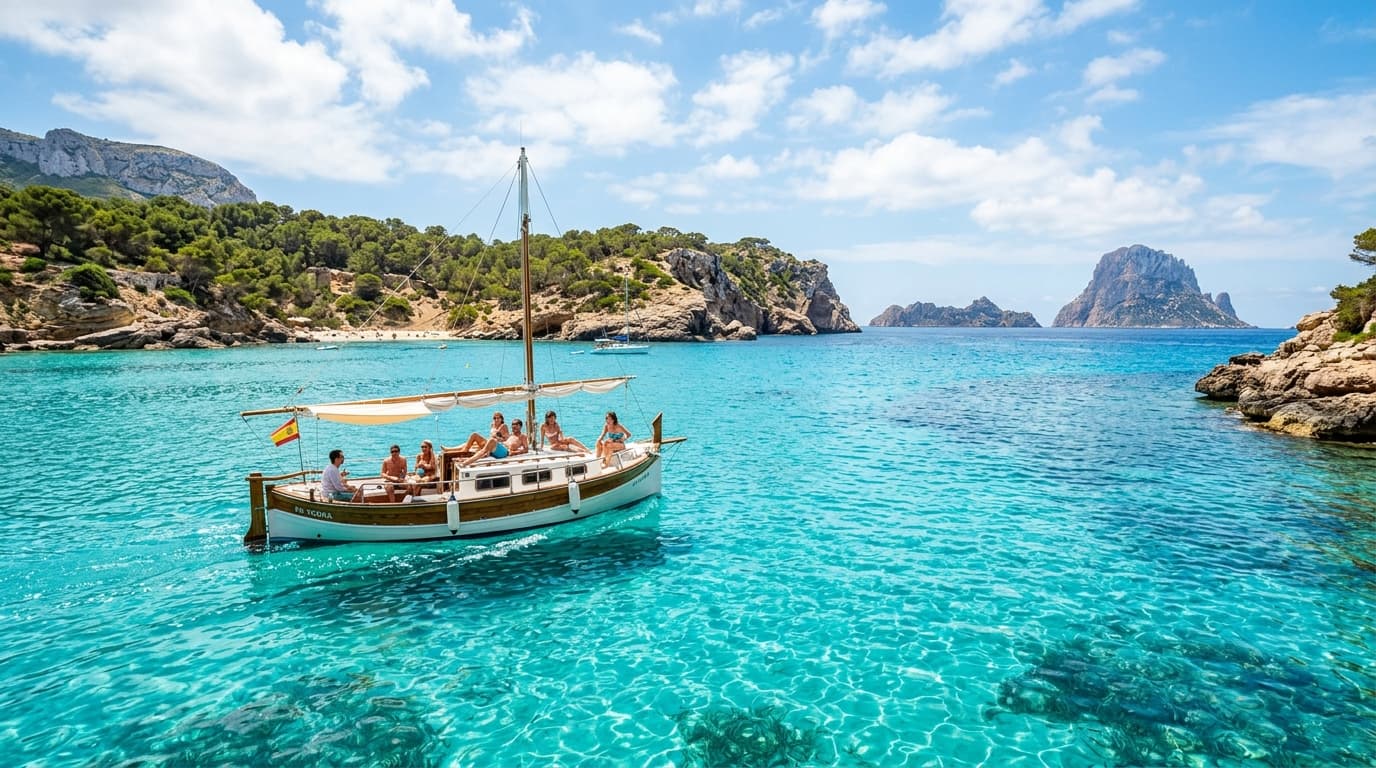
Imagine waking up to the turquoise waters of the Mediterranean one day and the volcanic black sands of the Atlantic the next—that's the magic of Spain island hopping. With over 60 islands scattered across the Balearic and Canary archipelagos, Spain offers some of Europe's most diverse island escapes, from party vibes to serene nature retreats. Whether you're plotting a multi-island adventure or dipping your toes into one, this guide draws from our team's extensive on-the-ground research to help you navigate routes, budgets, and hidden gems.
Key Takeaways
| Question | Answer |
|---|---|
| What is the best time to visit? | Spain island hopping shines from May to October, with milder crowds in shoulder seasons like May-June or September-October for ideal beach weather. |
| How much does it cost? | Expect €500-€1,500 (about $550-$1,650 USD) per person for a week, covering ferries, mid-range stays, and meals; luxury options push it higher. |
| How do I get there? | Fly into major hubs like Barcelona or Madrid, then connect via ferry or short flights to islands; inter-island ferries from Balearia or Transmed run frequently. |
| Is it safe? | Generally very safe, with low crime rates on islands, though petty theft occurs in tourist spots—stay vigilant with belongings. |
| What should I book in advance? | Ferries and flights during peak summer, plus popular accommodations like beachfront hotels in Mallorca or Tenerife. |
| Best route for beginners? | Start with the Balearic Islands: Barcelona to Mallorca, then Ibiza and Menorca for a straightforward hop. |
| Eco-friendly tips? | Opt for sustainable operators and avoid single-use plastics; many islands enforce protected marine areas. |
1. Why Choose Spain for Island Hopping?
Spain's islands stand out for their blend of vibrant culture, stunning beaches, and easy connectivity, making island hopping a seamless adventure. Our team has crisscrossed these archipelagos multiple times, noting how the Balearics offer Mediterranean charm while the Canaries deliver subtropical variety. This diversity means you can tailor your trip to relaxation, nightlife, or outdoor pursuits without long hauls.
The appeal lies in the short distances—most hops take under two hours—allowing more time exploring than traveling. During our research trips, we've seen how these islands preserve authentic Spanish traditions amid tourist influxes, from local markets to sunset churros.
Understanding the Two Main Archipelagos
The Balearic Islands, off eastern Spain, include Mallorca, Menorca, Ibiza, and Formentera, known for pine-fringed coves and clear waters. They're ideal for a classic Med hop, with ferries linking them efficiently.
In contrast, the Canary Islands, farther west near Africa, feature Tenerife, Gran Canaria, Lanzarote, and Fuerteventura, boasting volcanic landscapes and year-round warmth. Our visits highlight their unique biodiversity, like Teide National Park's otherworldly terrain.
Who Should Consider Island Hopping Here?
Families and couples thrive in the calmer Balearics, while adventure seekers gravitate to the Canaries. Solo travelers find both welcoming, with hostels and group tours abundant. Read our Balearic Islands Spain Guide for deeper insights.
- Relaxed Pace Option: Base in one island like Menorca for day trips, minimizing ferry stress.
- Adventure Route Pick: Chain the Canaries for hiking and surfing contrasts.
- Budget Traveler's Choice: Stick to public ferries over flights to save on transport.
When we explored the Balearics last spring, the wildflower blooms along coastal paths added an unexpected layer of beauty to our hops.
2. Top Island Hopping Routes in Spain
Planning your Spain island hopping route starts with choosing between the Balearics or Canaries, each offering distinct itineraries. We've mapped out proven paths based on ferry schedules and island synergies, ensuring balanced downtime and discovery. These routes leverage Spain's efficient transport network for hassle-free transitions.
A typical 7-10 day itinerary covers 3-4 islands, focusing on thematic links like beaches to volcanoes. In our experience, starting from the mainland cuts initial travel time significantly.
Balearic Islands Route: Mediterranean Magic
Begin in Mallorca for its diverse beaches, then ferry to Ibiza for nightlife, and end in Menorca for tranquility. The route spans about 200 km total, with daily ferries from Balearia.
This path suits culture lovers, with stops at historic sites. For more on Mallorca, check our Mallorca island guide.
Canary Islands Route: Volcanic Wonders
Fly to Tenerife, bus or ferry to La Gomera for hikes, then Gran Canaria for urban vibes. Inter-island travel here often mixes ferries and budget flights, covering rugged terrains.
Adventure enthusiasts love this for activities like whale watching. See our Tenerife island guide for specifics.
Did You Know? The Canary Islands are one of the few places in Spain where you can see both Mount Teide, Spain's highest peak at 3,718 meters, and pristine black-sand beaches in a single hop.
Source: Canary Islands Tourism
- Quick Hop Ferry: Balearia services between Mallorca-Ibiza take 2-3 hours.
- Flight Alternative: Vueling intra-island flights save time but cost more.
- Scenic Detour: Include Formentera for its car-free beaches.
- Pro Route Adjustment: Extend to Cabrera National Park for birdwatching.
During our time in the Canaries in early summer, the consistent 25°C weather made multi-day hikes between islands incredibly refreshing.
3. How to Get to and Between Spain's Islands
Reaching Spain's islands is straightforward, with major airports in Barcelona and Madrid serving as gateways for island hopping. From there, ferries and short flights connect the dots efficiently. Our research emphasizes booking transport early, especially in peak season, to avoid sold-out sailings.
Flights to island hubs like Palma de Mallorca or Tenerife South are frequent from Europe, often under €100 one-way. Ferries add a scenic, budget-friendly layer for inter-island moves.
Ferry Options for Seamless Hops
Companies like Balearia and Trasmediterranea operate reliable routes, with cabins available for overnight trips. Prices start around €40 for a 2-hour Balearics crossing.
For Canaries, Fred. Olsen Express links Tenerife to Gran Canaria in 2.5 hours. Always check Transport for updates.
Flying Between Islands
Budget airlines like Ryanair offer quick hops, such as Ibiza to Menorca in 40 minutes for €30-€60. This suits time-crunched travelers over ferries.
We recommend combining both for flexibility. Link to our Practical Info for visa and entry details if needed.
- Mainland to Balearics: Ferry from Barcelona to Mallorca, 7 hours overnight.
- Canaries Intra-Island: Bus-ferry combo from Tenerife to La Palma.
- Eco Choice: Sail with operators using low-emission vessels.
- Avoid Peak Rush: Travel mid-week for fewer crowds.
In our last Canary hop, a short flight from Lanzarote revealed dramatic lava fields upon landing, far more vivid than photos suggest.
4. Beaches Across Spain's Islands
Spain's islands boast over 1,000 km of coastline, with island hopping letting you sample everything from powdery whites to rugged blacks. Our team's beach surveys reveal hidden coves rivaling the Caribbean, often less crowded than mainland spots. These shores are perfect for unwinding between adventures.
Water clarity varies by archipelago—crystal in the Balearics, warmer in the Canaries. We've noted how protected areas enhance snorkeling opportunities.
Iconic Balearic Beaches
Cala Mesquida in Mallorca offers golden sands and dunes, ideal for families. Ibiza's Cala Comte dazzles with sunsets over cliffs.
Menorca's Turqueta Beach, with its turquoise hues, feels secluded. Explore more in our Menorca island guide.
Standout Canary Shores
Tenerife's Playa de las Teresitas features imported golden sand, while Lanzarote's Papagayo beaches are volcanic gems for naturists.
Gran Canaria's Maspalomas dunes mimic a desert oasis. For beach days, see Beach Day Costa Del Sol for similar vibes, though islands differ.
- Family-Friendly Pick: Mallorca's Alcudia Beach with shallow waters.
- Snorkel Hotspot: Formentera's Ses Illetes for marine life.
- Secluded Escape: La Graciosa's wild coves off Lanzarote.
- Sunset Viewing: Es Trenc in Mallorca for dramatic skies.
Did You Know? The Balearic Islands have more than 200 beaches awarded the Blue Flag for cleanliness and safety, making them top for eco-conscious swimmers.
Source: Baleares Tourism
When we visited Playa de Famara in Lanzarote during windy season, the surf conditions turned a simple beach stop into an impromptu windsurfing lesson.
5. Must-Do Activities on Each Island
Activities fuel the excitement of Spain island hopping, from hiking volcanoes to clubbing at dawn. We've tested popular pursuits, finding they best connect when themed per island—nature in Canaries, culture in Balearics. This keeps your itinerary dynamic without overload.
Diving into local experiences reveals Spain's island soul, blending adventure with relaxation.
Outdoor Adventures in the Canaries
Hike Mount Teide in Tenerife for panoramic views, or surf Fuerteventura's breaks. Lanzarote's Timanfaya National Park offers jeep tours over lava fields.
These suit active travelers. Check Hiking Picos De Europa for comparable mainland treks.
Cultural and Nightlife in the Balearics
Ibiza's UNESCO old town hosts historic walks, while Mallorca's Caves of Drach feature underground concerts. Menorca's festivals add folklore flair.
Night owls thrive here. For tours, link to Tapas Tour ideas adaptable to islands.
| Island Group | Best For | Cost (EUR) | Rating |
|---|---|---|---|
| Balearics | Culture & Beaches | €100-200/day | ⭐⭐⭐⭐⭐ |
| Canaries | Adventure & Nature | €80-150/day | ⭐⭐⭐⭐ |
| Mixed Route | Variety for All | €120-250/day | ⭐⭐⭐⭐⭐ |
- Water-Based Thrill: Kayak Costa Brava-style in Menorca's coves (Kayaking Costa Brava).
- Guided Exploration: Wine tasting in Gran Canaria vineyards.
- Relaxation Focus: Yoga retreats on Formentera.
- Family Activity: Dolphin watching off Tenerife.
Our team spent a memorable day whale-watching between Canary islands, spotting pods that made the ferry wait worthwhile.
6. Accommodation Options for Island Stays
Finding the right stay enhances island hopping in Spain, with options from boutique fincas to beach resorts. Based on our inspections, mid-range spots offer the best value, blending comfort and location. Budget for variety to match each island's vibe.
Peak season books fast, so plan ahead. We've favored eco-lodges where possible for sustainable travel.
Budget and Mid-Range Picks
Hostels in Ibiza start at €30/night, while agriturismos in Menorca provide rural charm for €80. Tenerife's apart-hotels suit self-caterers at €100.
These keep costs down. See Hotels travel guide for booking tips applicable to islands.
Luxury and Unique Stays
Paradores in Mallorca offer historic elegance from €200, and Lanzarote's cave hotels immerse in volcanic luxury at €250+.
Unique glamping dots Fuerteventura. For more, visit Islands.
- Beachfront Value: Apartments in Cala d'Or, Mallorca.
- Party Proximity: Hostels near Ibiza Town.
- Nature Retreat: Eco-cabins in Garajonay National Park, La Gomera.
- Family Suite: Resorts with pools in Playa de las Américas, Tenerife.
During our stay in a Menorca finca, the home-cooked meals from local produce elevated simple evenings after beach days.
7. Costs Breakdown for Your Trip
Budgeting for Spain island hopping involves transport, stays, food, and activities, totaling €70-€200 daily depending on style. Our calculations from recent travels show ferries as the biggest variable, but off-peak savings are substantial. Transparency: We may earn a small commission from bookings made through our links, at no extra cost to you. This helps us keep creating free travel guides.
Food averages €15-€30 per meal, with markets offering cheaper eats. Activities add €20-€50 each.
Transport and Ferry Expenses
Flights to islands: €50-€150 from mainland. Inter-island ferries: €20-€80 per leg.
Flights can undercut long ferries. Reference Is Spain Expensive 2026 for broader costs.
Food, Activities, and Hidden Fees
Tapas bars keep meals affordable; expect €40/day eating out. Entry to parks like Timanfaya: €10-€15.
Watch for resort taxes (€1-€4/night). Link to Spain 50 Euros Per Day Budget Travel for tips.
- Daily Meal Budget: €30 for three fresh seafood meals.
- Activity Saver: Free hiking trails over paid tours.
- Transport Hack: Multi-day ferry passes for €100+ savings.
- Souvenir Caution: Avoid overpriced beach vendors.
Did You Know? Ferry companies in the Balearics offer discounts up to 30% for round-trip bookings, making hopping more affordable for multi-island trips.
Source: Lonely Planet Spain
One common mistake: Underestimating luggage fees on flights—pack light for ferries, as we learned the hard way on a windy Canary crossing.
8. Who Each Island Suits Best and Tips
Tailoring island hopping to your style maximizes enjoyment, with each spot fitting specific travelers. From our field notes, mismatches like party seekers in quiet Menorca lead to disappointments. Consider pace, interests, and group dynamics.
Honesty: Overhyped spots like superclubs in Ibiza can feel touristy—seek local alternatives.
Best Islands for Families and Couples
Mallorca and Gran Canaria offer kid-friendly beaches and resorts, with easy access. Couples prefer Menorca's romance or Tenerife's sunsets.
Avoid peak August crowds. See Spain With Kids 2026.
Ideal for Solo and Adventure Travelers
Ibiza for social vibes, Lanzarote for solo hikes. Fuerteventura draws surfers.
Pro tip: Join group tours for connections. Explore Surf San Sebastian for similar waves.
- Solo Social Spot: Ibiza's beach bars.
- Family Safety: Menorca's calm waters.
- Couple's Hideaway: Formentera's untouched shores.
- Adventurer's Base: Teide for climbs.
- Budget Solo: Hostels in Palma.
When our team hopped to La Palma, the stargazing under clear skies suited introverted explorers perfectly, away from busier islands.
9. Practical Tips and What to Avoid
Smooth Spain island hopping requires prep, from weather checks to cultural etiquette. We've compiled field-tested advice, emphasizing sustainability amid growing tourism. Stay connected with an eSIM for navigation—see our Esim guide.
Weather is mild, but pack layers for Canary winds. Safety is high, per Safety Tips.
Packing Essentials and Connectivity
Light clothing, reef-safe sunscreen, and adapters for EU plugs. Download offline maps.
For food, try Paella food guide on islands.
Common Mistakes to Dodge
Skip all-inclusive if you want authentic eats—tourist traps inflate prices. Overpacking slows ferries.
Respect siesta hours (Siesta Culture). Book Travel Insurance for peace.
In our experience, ignoring ferry timetables stranded us once—always confirm schedules via official apps.
Frequently Asked Questions
Best time for Spain island hopping?
The ideal window is May to October, avoiding July-August heat and crowds. Shoulder months like September offer warm seas around 24°C and lower ferry prices, based on our seasonal research.
How much does island hopping in Spain cost?
A week-long trip averages €700-€1,200 per person, including transport (€150-€300), stays (€300-€500), and meals (€200). Costs rise in peak season; check current rates for accuracy. For budget strategies, read our Spain 50 Euros Per Day Budget Travel.
How to island hop in the Balearic Islands?
Start with a flight or ferry to Mallorca, then use Balearia ferries to Ibiza (2 hours) and Menorca (3 hours). Book in advance for summer; total route costs €100-€200 in transport. More details in our Mallorca island guide.
Is island hopping safe in the Canary Islands?
Yes, with low crime and good infrastructure, though watch for pickpockets in tourist areas like Tenerife's resorts. Natural hazards like volcanic activity are monitored—Teide eruptions are rare. See Is Barcelona Safe 2026 for similar mainland advice.
What activities are best for families on Spanish islands?
Beaches, aquaparks in Gran Canaria, and easy hikes in Menorca top the list, with many spots offering kid clubs. Avoid nightlife-heavy Ibiza; opt for €20-€50 family tours. Explore Spain With Kids 2026 for planning.
How do I get from Balearics to Canaries?
Direct flights from Palma to Tenerife take 3-4 hours for €100-€200; no ferries connect the archipelagos due to distance. Combine with mainland stops for efficiency. Link to Transport for options.
Are there eco-friendly island hopping tips for Spain?
Choose ferries over flights, support protected areas like Cabrera, and use reusable items—many islands ban plastics. Operators like those in Lanzarote promote sustainable tours. For more, visit Practical Info.
In summary, Spain island hopping unlocks diverse paradises across the Balearics and Canaries, from serene beaches to volcanic hikes, all accessible with smart planning. Whether you're chasing sunsets in Menorca or adventures in Tenerife, these routes deliver memorable escapes. Ready to plot your trip? Head to our Itineraries page for customizable plans, and trust the Go2Spain Team's decades of on-the-ground expertise to guide your journey.
Bronnen & Referenties
Dit artikel is gebaseerd op eigen ervaring en geverifieerd met de volgende officiele bronnen:

Go2Spain Team
Gevestigd in Spanje sinds 2020 | Alle 17 regio's bezocht | Maandelijks bijgewerkt
Wij zijn een team van reisschrijvers en Spanje-liefhebbers die het land het hele jaar door verkennen. Onze gidsen zijn gebaseerd op eigen ervaring, lokale kennis en geverifieerde officiele bronnen.
Meer over ons →Anderen lezen ook
Spain Coast Guide: Beach Towns, Islands and Routes
Explore Spain's coasts: from vibrant beach towns to idyllic islands like Mallorca and Tenerife. Get tips on routes, activities, and stays for your perfect trip.
Best Beach Destinations in Spain for Different Travel Styles: Island Guide and Comparison
Explore Spain's top island beaches tailored to your style—from family fun in Mallorca to adventure in Tenerife. Compare options, activities, and tips for the perfect trip.
Island Hopping in Spain: Balearics and Canaries
Plan the perfect Spanish island-hopping adventure across the Balearic and Canary Islands, with ferry routes, highlights, and tips.

Spain Weather Guide: Seasons, Packing and Regional Differences
Complete guide to Spain's weather by season and region. Learn what to pack, best travel times, and how climate varies from coast to mountains.