
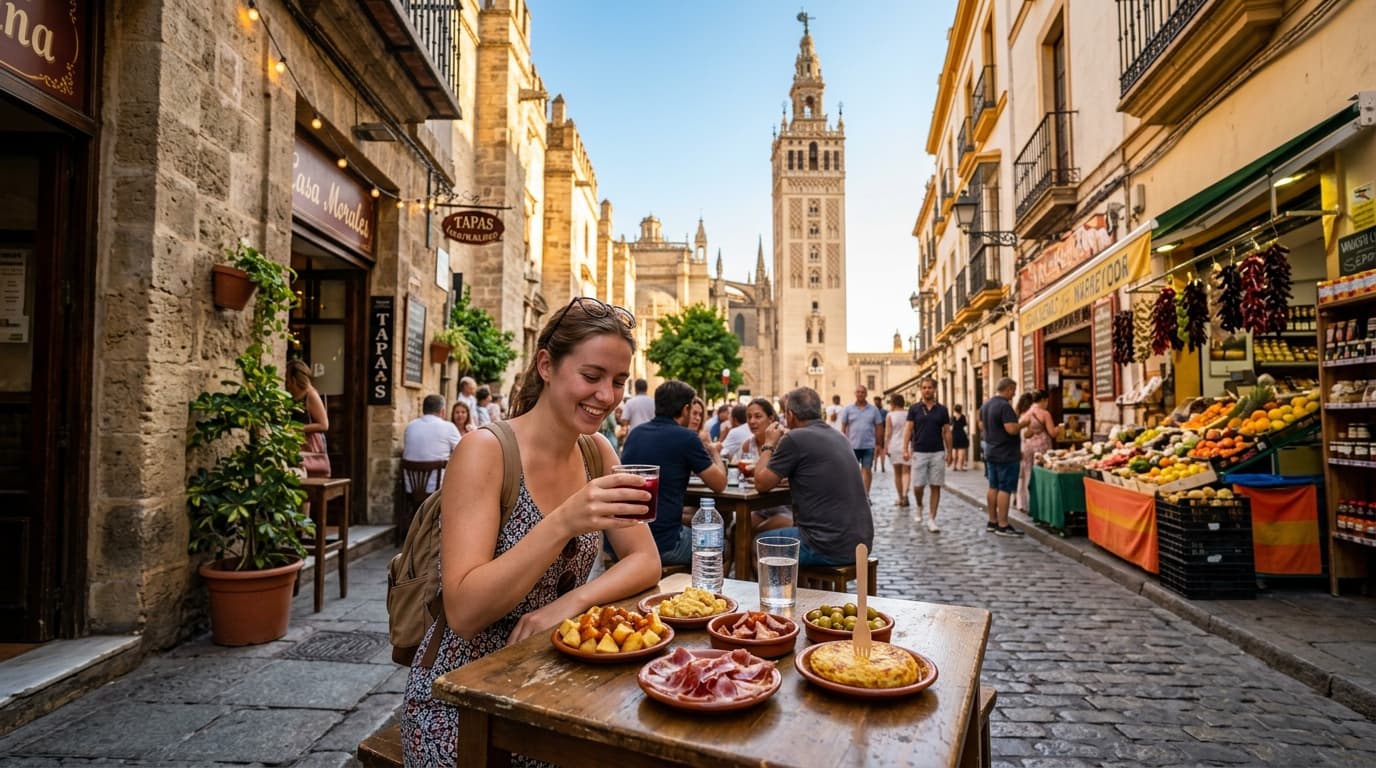
Spain on 50 EUR Per Day: A Realistic Budget Travel Guide
Last summer, I watched a backpacker order a three-course lunch in a small Andalusian town for €9. She had a glass of local wine, pan con tomate, a plate of espinacas con garbanzos, and a café con leche. The waiter brought a complimentary dessert. She left a €1 tip. Total: €10.50. This moment crystallized something I'd learned during three years in Barcelona and countless months traveling Spain's interior: €50 a day isn't just possible—it's genuinely comfortable if you know where to eat, sleep, and move.
This article may contain affiliate links — we earn a small commission at no extra cost to you.
Key Takeaways at a Glance
| Question | Answer |
|---|---|
| Can you really travel Spain on €50/day? | Yes, comfortably. Budget €15–18 for accommodation, €18–22 for food, €8–12 for transport/activities. |
| Which cities are cheapest? | Granada, Toledo, Salamanca, and smaller Andalusian towns beat Barcelona and Madrid by 30–40%. |
| Best season for budget travel? | April–May and September–October. Avoid July–August (peak prices) and December (holidays). |
| What's the biggest money drain? | Accommodation. Hostels (€12–16), shared apartments (€14–18), or rural stays (€10–15) are essential. |
| Can you eat well on €20/day? | Absolutely. Menú del día lunch (€10–12), market groceries, and tapas culture make this realistic. |
| Is train travel affordable? | Yes, if booked 2–4 weeks ahead. Regional trains beat budget airlines on price and convenience. |
| What should you splurge on? | Experiences (museums, cooking classes), not accommodation. One great meal beats a fancy hotel room. |
1. The Real Cost Breakdown: Where Your €50 Goes
When we spent six weeks traveling between Granada, Seville, and the Basque Country on a tight budget, we tracked every euro. The €50-per-day target breaks down like this:
Accommodation: €14–18
- Hostel dorm bed: €12–16
- Budget Airbnb in smaller towns: €14–18
- Rural guesthouse (casas rurales): €10–15
- Shared apartment (longer stays): €14–20
Food: €18–22
- Menú del día (lunch special): €10–12
- Groceries and self-catering: €6–8
- Occasional dinner out: €6–10
- Coffee and snacks: €2–3
Transport: €8–12
- Regional train (booked in advance): €15–30 per journey, spread across 2–3 days
- Local buses: €1–2 per ride
- Walking (free, and you'll discover more)
Activities & Miscellaneous: €2–5
- Many museums have free or reduced-price hours
- Walking tours: €0–10 (tip-based)
- Beaches, parks, plazas: free
The math works because Spain's interior—where locals actually live—remains genuinely affordable. Our Granada travel guide details neighborhoods where €15 gets you a clean, safe room with character.
2. Accommodation: Sleep Smart Without Sacrificing Comfort
This is where most budget travelers stumble. They book the cheapest option and end up in a damp basement or a 45-minute commute from the city center. We've learned better.
Hostels: The Social Sweet Spot (€12–16/night)
Quality matters. In Granada and Toledo, we've stayed in family-run hostels where the owner makes breakfast and other guests become friends. Avoid the party-focused chains in Barcelona; instead, seek out smaller, locally-owned places. Check recent reviews specifically mentioning cleanliness and noise levels—not just "fun atmosphere."
Shared Apartments: Better Value (€14–20/night)
Platforms like Airbnb and Booking.com now filter for "shared rooms" in apartments. You get a private bed, shared kitchen, and often a local neighborhood vibe. In Salamanca, we rented a room in a student apartment for €16/night—cheaper than a hostel, quieter, and we made paella with our roommates.
Rural Guesthouses: The Hidden Bargain (€10–15/night)
Casas rurales—traditional farmhouse stays—are Spain's best-kept budget secret. Outside major cities, a double room with breakfast runs €12–18. We stayed in a whitewashed cortijo (farmhouse) near Ronda for €14/night. The owner, María, served fresh orange juice from her trees. You trade proximity to nightlife for authenticity and value.
Pro Tips:
- Book Sunday–Thursday for 10–20% discounts
- Longer stays (7+ nights) unlock negotiable rates
- Check our practical information guide for booking platforms and safety tips
3. Food: Eat Like a Local, Spend Like a Student
Spain's food culture is the budget traveler's greatest ally. The menú del día (menu of the day) is a three-course lunch—starter, main, drink, and often dessert—for €10–12 in most towns. In Madrid or Barcelona, expect €12–15. In Granada or Córdoba, you'll find €9–11.
The Menú del día Strategy
Make lunch your main meal. You'll eat better food, spend less, and have energy for afternoon exploration. A typical menu: gazpacho or salad, grilled fish or chicken with patatas, bread, drink (wine, beer, or soft drink), and flan or fruit. Restaurants post menus in windows; locals eat between 1–3 PM.
Breakfast: Café Culture (€2–4)
Café con leche and a tostada (toasted bread with tomato and olive oil) or churros: €2–3. Sit at the bar (not a table—you'll pay 30% more). This is how Spaniards eat breakfast, and it's delicious.
Dinner: Tapas and Markets (€8–12)
Skip the tourist tapas bars. Instead, buy jamón ibérico, manchego cheese, olives, and bread from a mercado (market) for €6–8. Or order raciones (larger tapas portions) at a local bar: patatas bravas, croquetas, jamón—€1–2 each. Pair with a €1–2 beer or glass of wine. You'll eat better than tourists spending €25 on "authentic Spanish dining."
Grocery Shopping: The Budget Lifeline (€6–8/day)
Carrefour Express, Lidl, and local markets have everything: bread (€0.50–1), cheese (€2–3), cured meats (€3–5), fruit (€1–2), yogurt (€0.50), and wine (€2–4). A week of self-catering costs €40–50. Our Spanish food guide details regional specialties and where to find them.
DID YOU KNOW? In Spain, ordering a drink at a bar often comes with free tapas—pan con tomate, olives, or jamón. This isn't a tourist trap; it's standard. A €2 beer + free tapa = dinner starter for less than a coffee in Northern Europe.
4. Transport: Move Cheaply Across Spain
Getting between cities is where budget travelers often overspend. Flights seem cheaper until you factor in airport transfers. Trains are Spain's secret weapon.
Regional Trains: Book Ahead, Save Big (€15–30 per journey)
Renfe's regional trains (Avant, Regional) are slow but cheap. Madrid to Toledo: €5–8. Barcelona to Montserrat: €8–12. Book 2–4 weeks ahead for the best fares. Our train travel guide has booking strategies and timetables.
Buses: Slower, Sometimes Cheaper (€5–20)
FlixBus and regional operators (Alsa, Avanza) run long-distance routes. Madrid to Seville: €15–25. Buses are slower than trains (8+ hours) but cheaper. Overnight buses save accommodation costs—you sleep while traveling.
Local Transport: Buses and Metro (€1–2 per ride)
City buses and metro systems cost €1–2 per journey. Buy a 10-journey ticket (€8–12) for better rates. Walking is free and often faster in compact historic centers like Toledo or Granada.
Flights: Avoid Unless Strategic
Budget airlines (Ryanair, Vueling) seem cheap (€15–30) but add baggage fees (€20–40), airport transfers (€10–15), and time. A train costs more upfront but saves €30–50 in ancillary fees.
Comparison: Madrid to Barcelona
| Transport | Cost | Time | Total with Transfers |
|---|---|---|---|
| Renfe Regional (advance) | €25–35 | 15 hours | €35–45 |
| FlixBus | €15–25 | 8 hours | €25–35 |
| Ryanair | €20–40 | 2 hours | €60–90 (+ baggage, transfers) |
| Renfe AVE (standard) | €50–80 | 2.5 hours | €60–90 |
For budget travel, regional trains or buses beat flights.
5. Activities: Free and Low-Cost Experiences
Spain's greatest attractions don't charge admission. We've spent entire days exploring for €0–5.
Free Activities
- Walking historic centers (Toledo, Salamanca, Granada's Albaicín)
- Beaches (Mediterranean and Atlantic coasts)
- Parks and plazas (Plaza Mayor in Madrid, Parque de María Luisa in Seville)
- Cathedral exteriors and public spaces
- Street art and markets
Reduced-Price Museum Hours
Most Spanish museums offer free or reduced entry during specific hours:
- Prado Museum (Madrid): Free 6–8 PM Mon–Sat, 5–7 PM Sun
- Reina Sofía (Madrid): Free 7–9 PM Mon–Fri, 1:30–3 PM Sat, 5–7 PM Sun
- Picasso Museum (Málaga): Free after 7 PM
Check individual museum websites for current hours.
Walking Tours: Tip-Based (€0–10)
Free walking tours operate in major cities. You pay what you think it's worth (€5–10 is standard). These are led by locals who share stories you won't find in guidebooks. Our Barcelona travel guide lists recommended tours.
Cooking Classes and Experiences: Worth the Splurge (€25–50)
One cooking class or flamenco workshop beats three nights in a fancy hotel. In Granada, we took a market-to-table class for €35—we shopped at the local mercado, cooked with a Spanish chef, and ate what we made. It was the trip's highlight.
6. Where to Travel on €50/Day: Best Budget Destinations
Not all Spanish cities are equally affordable. We've ranked them based on accommodation, food, and overall value.
Tier 1: Most Affordable (€40–48/day realistic)
- Granada: Dorm beds €12–14, menú del día €9–11, vibrant student city
- Toledo: Medieval charm, hostels €13–15, food €9–12
- Salamanca: University town energy, €12–15 accommodation, €10–12 food
- Córdoba: Underrated, €12–16 beds, €9–11 menus, fewer tourists
Tier 2: Moderate (€48–55/day)
- Seville: Larger city, slightly pricier, but doable with discipline
- Málaga: Beach access, €14–18 beds, €10–13 food
- Valencia: Modern vibe, €14–18 accommodation, €11–13 food
- Bilbao: Basque Country culture, €15–20 beds, €12–14 food
Tier 3: Challenging (€55–65/day)
- Barcelona: €16–22 beds, €12–15 food, tourist prices
- Madrid: €15–20 beds, €12–15 food, capital premium
For budget travel, spend 70% of time in Tier 1 cities, 20% in Tier 2, and 10% in Tier 3. You'll stay within budget while experiencing Spain's diversity.
Our Andalusia road trip guide details a week-long route through Granada, Córdoba, and Seville—Spain's budget-travel heartland.
7. Sample Daily Budgets: Real Days, Real Spending
Day 1: Granada (Budget Day)
- Hostel dorm: €13
- Breakfast (café con leche + tostada): €2.50
- Menú del día: €10
- Groceries (dinner ingredients): €4
- Walking tour (tip): €5
- Coffee: €1.50
- Total: €36
Day 2: Granada (Splurge Day)
- Hostel dorm: €13
- Breakfast: €2.50
- Menú del día: €10
- Alhambra entrance: €15
- Dinner at local restaurant: €12
- Wine: €2
- Dessert: €2
- Total: €56.50 (€6.50 over budget, but includes major attraction)
Day 3: Train to Toledo (Travel Day)
- Shared apartment: €16
- Breakfast: €2
- Menú del día: €11
- Train (advance booking): €8
- Groceries (light dinner): €3
- Coffee: €1.50
- Total: €41.50
Day 4: Toledo (Free Day)
- Guesthouse: €14
- Breakfast: €2
- Menú del día: €10
- Walking historic center: €0
- Picnic lunch (market): €4
- Wine: €2
- Total: €32
Weekly Total (4 days shown): €166 — well under €350 (€50 × 7)
8. Money-Saving Hacks: Insider Strategies
1. Stay Sunday–Thursday Accommodation rates drop 15–25% mid-week. Plan major cities for weekends, small towns for weekdays.
2. Eat Lunch, Not Dinner The menú del día is lunch-only. Dinner costs 50–100% more. Make lunch your main meal, dinner a light snack.
3. Use Public Transport Passes A 10-journey bus ticket (€8–12) beats single rides (€1–2 each). In Barcelona, a T-10 pass costs €11.35 for 10 journeys.
4. Buy Wine from Supermarkets, Not Bars A bottle of decent Spanish wine costs €3–5 in a supermarket, €4–6 by the glass in a bar. Picnic + wine = €5 dinner.
5. Visit During Shoulder Season April–May and September–October offer pleasant weather and 20–30% lower prices than July–August. Our best time to visit Spain guide details seasonal pricing.
6. Use Free WiFi Strategically Libraries, tourist offices, and some cafés offer free WiFi. This saves on data plans. Consider an eSIM for Spain (€10–20 for 10 GB) instead of roaming.
7. Book Accommodation with Kitchen Access Self-catering saves €8–12/day. Hostels with kitchens or Airbnb apartments let you cook breakfast and simple dinners.
8. Take Advantage of Free Museum Hours Plan museum visits around free-entry times. Prado, Reina Sofía, and most regional museums offer 1–2 hours weekly.
DID YOU KNOW? Spanish pharmacies (farmacias) are cheaper than supermarkets for toiletries and basic medicines. A bottle of sunscreen costs €3–4 instead of €6–8 elsewhere.
9. Where to Splurge: Experiences Over Comfort
On a €50/day budget, you'll make trade-offs. Here's where they matter most.
Splurge On:
- Experiences: Cooking classes (€30–50), flamenco shows (€20–40), museum entry (€10–15)
- One Great Meal: Skip the budget menú del día once per week; eat at a proper restaurant (€20–30)
- Regional Transport: A scenic train journey (€15–25) beats a budget bus
- Accommodation in Special Places: One night in a rural guesthouse (€15–20) creates memories
Save On:
- Fancy Hotels: A €50/night hotel room is wasted sleep
- Tourist Restaurants: Avoid "tourist menu" establishments near major attractions
- Souvenirs: Gifts from supermarkets (Spanish wine, jamón, olive oil) beat tourist shops
- Entrance Fees to Mediocre Attractions: Not every castle or museum justifies €10
We spent €35 on a paella-cooking class in Valencia—the most expensive single activity of our trip. It was worth every euro. We spent €8 on a "flamenco show" in a tourist trap in Seville and regretted it immediately.
10. Practical Logistics: Visas, Insurance, and Planning
Visa Requirements US, UK, Canadian, Australian, and most non-EU citizens get 90 days visa-free in the Schengen Area (which includes Spain). Check our visa guide for your nationality.
Travel Insurance Budget €10–20 for a month of basic coverage. It's not glamorous, but a €500 medical bill isn't in your €50/day budget. Our travel insurance guide compares affordable providers.
Banking and Money
- Withdraw cash from ATMs (€1–2 fee) rather than exchanging at airports (5–10% markup)
- Use a debit card with no foreign transaction fees (Wise, Revolut, or your bank's travel option)
- Spain is increasingly cashless, but small towns and markets still prefer euros
- Budget €0.50–1 per ATM withdrawal
Phone and Internet An eSIM (€10–20 for 10 GB) beats roaming charges. Alternatively, buy a Spanish SIM card (Vodafone, Orange, Movistar) for €15–25 with data included.
When to Book
- Accommodation: 2–4 weeks ahead for best rates
- Trains: 2–4 weeks ahead for regional trains
- Flights: 4–6 weeks ahead (if you must fly)
- Activities: Book 1 week ahead; many have walk-up availability
FAQ: Your Budget Travel Questions Answered
Can you really eat well on €20/day in Spain? Yes. A menú del día (€10–12), groceries for breakfast and snacks (€4–6), and occasional tapas (€4–6) total €18–24. You'll eat better than in most countries at this price point.
Is €50/day realistic for couples or families? For couples, yes—accommodation per person drops with shared rooms (€14–18 each). For families, budget €60–70/day per person; kids' meals are cheaper, but you'll need private rooms.
What's the cheapest month to visit Spain? January, February, and November offer 20–30% discounts on accommodation and fewer tourists. Weather is cool but manageable. Avoid December (holidays) and July–August (peak season).
Can you travel Spain without booking accommodation in advance? Risky on a tight budget. Booking ahead saves 15–25%. In summer, last-minute options are expensive or full. Book 2–4 weeks ahead for peace of mind.
Is it safe to travel Spain on a budget? Spain is very safe. Budget areas (hostels, student neighborhoods) are as safe as expensive ones. Petty theft in tourist areas is the main concern—keep valuables secure. See our practical information guide for safety details.
How do you handle laundry on a budget? Most hostels have washing machines (€2–3 per load). Laundromats (lavanderías) cost €3–5. Hand-wash in your room and air-dry to save money. Wear clothes multiple times before washing.
What's the best budget itinerary for 2 weeks? Spend 4 days in Granada, 3 in Córdoba, 3 in Seville, 2 in Toledo, 2 in Salamanca. Skip Barcelona and Madrid unless you have extra budget. This route minimizes transport costs and maximizes value. Our itineraries section has detailed routes.
Conclusion: You Can Do This
Traveling Spain on €50/day isn't deprivation—it's strategy. You'll eat better, sleep safely, and experience Spain more authentically than tourists dropping €150/day in chain hotels and tourist restaurants.
During our months in Spain, the best meals came from markets and menú del día specials. The best nights were in family-run hostels and rural guesthouses. The best days were walking free through historic centers and sitting in plazas watching locals live their lives.
Start with a Tier 1 city like Granada or Toledo. Spend 3–4 days getting comfortable with the rhythm: menú del día at 1 PM, siesta and exploration at 3 PM, tapas and wine at 8 PM, bed by 11 PM. Once you've got the pattern, you'll find €50/day isn't a constraint—it's a gateway to traveling longer and deeper.
Ready to book your budget Spain adventure? Check out our ultimate Spain travel guide for comprehensive planning, or dive into city guides like Granada, Toledo, or Salamanca.
Have questions? Contact us—our team has lived this budget and loves helping travelers make it work.
This article reflects our team's personal experience traveling and living in Spain. Prices are accurate as of April 2026 and may vary seasonally. Always check current rates before booking.
Sources & References
This article is based on first-hand experience and verified with the following official sources:

Go2Spain Team
Con base en Espana desde 2020 | Todas las 17 comunidades visitadas | Actualizado mensualmente
Somos un equipo de escritores de viajes y entusiastas de Espana que exploran el pais durante todo el ano. Nuestras guias se basan en experiencia directa, conocimiento local y fuentes oficiales verificadas.
Mas sobre nosotros →People Also Read

How Much Does Spain Cost? Budget vs Comfort Travel in 2026
Complete guide to Spain travel costs with real prices in EUR and USD. Compare budget vs comfort travel with sample day budgets and money-saving tips.
Spain on a Budget: Where to Save and Where to Spend
Master budget travel in Spain with real costs in EUR and USD. Learn where to save, where to splurge, and realistic daily budgets for every region.

Spain Island Hopping Guide: Routes, Costs and Tips
Complete Spain island hopping guide with routes, costs, accommodation, and insider tips for Balearics and Canaries.

Spain Food Costs: Restaurants, Markets and Budget Meals
Complete guide to Spain food costs: restaurant prices, market shopping, budget meals, and how to eat like a local without breaking the bank.