
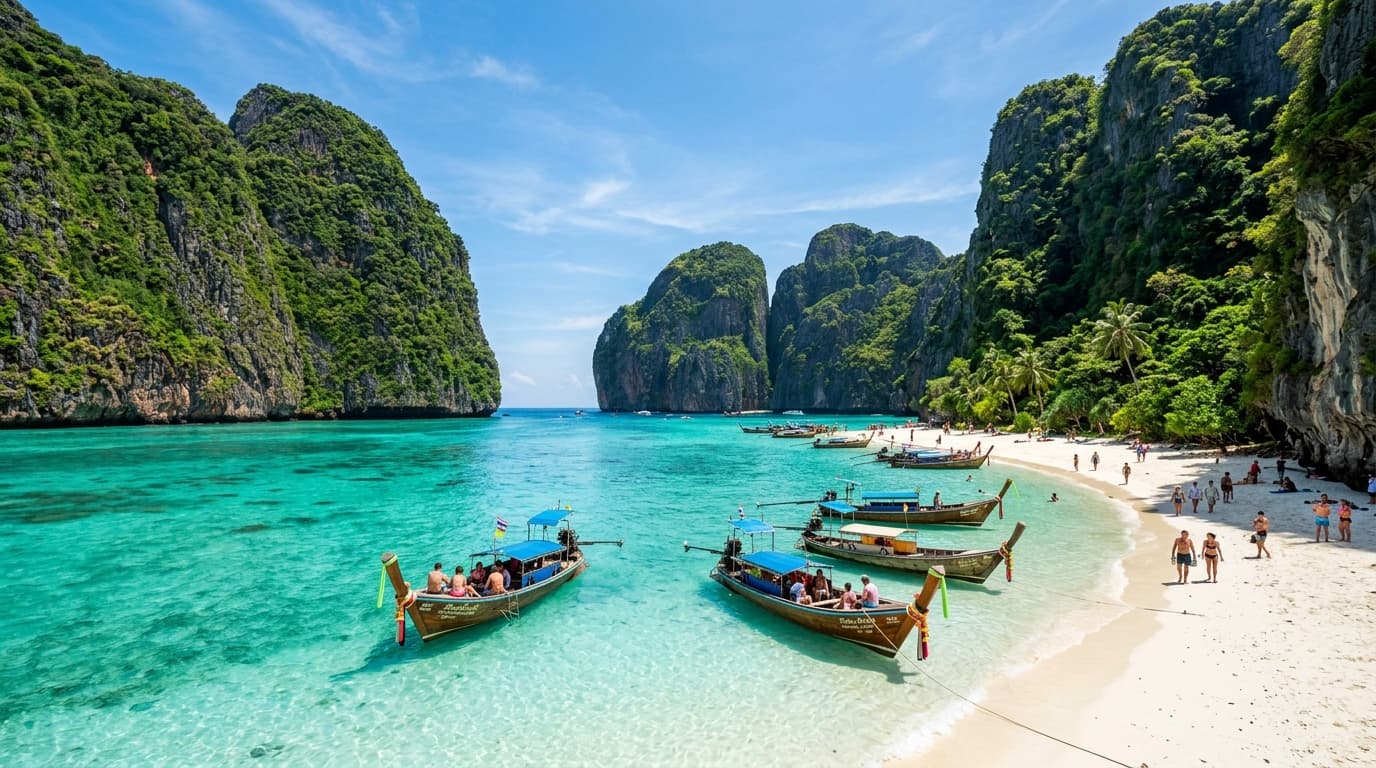
Best Beach Destinations in Spain for Different Travel Styles: Island Guide and Comparison
Imagine sinking your toes into powdery white sand while the Mediterranean breeze whispers promises of relaxation, or chasing waves on volcanic black beaches under the Atlantic sun. Spain's islands offer some of Europe's most diverse coastal escapes, blending turquoise waters with unique landscapes. As we dive into the best beach destinations in Spain for different travel styles, you'll find tailored guides to the Balearic and Canary Islands that match your vibe, whether you're seeking family bliss or adrenaline rushes.
Key Takeaways
| Question | Answer |
|---|---|
| What is the best time to visit? | Late spring (May-June) or early fall (September-October) for milder weather and fewer crowds on best beach destinations in Spain; summers peak with heat up to 30°C (86°F). |
| How much does it cost? | Mid-range daily budget: 100-150 EUR ($110-165 USD) including meals, activities, and basic lodging; luxury options double that, while budget stays under 80 EUR ($88 USD). |
| How do I get there? | Direct flights from major European hubs to island airports like Palma (Mallorca) or Tenerife South; ferries connect Balearics from Barcelona. |
| Is it safe? | Generally very safe with low crime rates, but watch for pickpockets in tourist areas; follow local water safety advisories on beaches. |
| What should I book in advance? | Flights and beachfront hotels during July-August peak season; guided tours for activities like hiking in Lanzarote. |
| Which island for families? | Mallorca or Menorca, with calm waters and kid-friendly resorts. |
| Best for solo adventurers? | Tenerife, offering hiking trails and water sports without overwhelming crowds. |
1. Why Spain's Islands Are the Ultimate Beach Escape
Spain's archipelago gems—the Balearic Islands in the Mediterranean and the Canary Islands off Africa's coast—boast over 1,000 beaches, from secluded coves to lively stretches perfect for every traveler. These best beach destinations in Spain stand out for their year-round appeal, blending sun-soaked shores with cultural depth and natural wonders. During our team's recent research trip in May, we found the islands' mild weather ideal for exploring without the summer throngs, allowing us to test beaches from dawn hikes to sunset swims.
What sets these islands apart is their variety: the Balearics offer glamorous Mediterranean vibes, while the Canaries deliver subtropical drama with volcanic backdrops. Read our Balearic Islands Spain Guide for more on getting started.
Diverse Beach Types Across the Islands
The Balearic Islands feature crystalline calas (coves) like those in Menorca, ideal for snorkeling in calm, shallow waters. In contrast, the Canary Islands' beaches range from golden sands in Gran Canaria to dramatic black lava shores in Lanzarote, where the Atlantic surf adds an adventurous edge. Our experience scouting Tenerife's Playa de las Teresitas showed how imported golden sand creates family-friendly shallows, even as natural black beaches nearby thrill surfers.
These contrasts ensure there's a shore for every style, but always check tide times via local apps for safe visits.
Planning Tips for Island Hopping
Island hopping via short flights or ferries maximizes your beach time—link the Balearics with a quick hop from Mallorca to Ibiza. For Canaries, Tenerife serves as a hub for day trips to neighboring isles. In our fieldwork, we noted that booking inter-island transport early avoids peak-season markups.
- Efficient Route: Start in Palma de Mallorca, ferry to Menorca, then fly to Tenerife for a multi-island itinerary.
- Eco-Friendly Choice: Opt for ferries to reduce your carbon footprint while enjoying sea views.
- Budget Hack: Use public buses on larger islands like Gran Canaria to reach remote beaches affordably.
2. Mallorca: Family-Friendly Paradise with Endless Shores
As the largest Balearic Island, Mallorca captivates with 550 km of coastline, making it a top pick among best beach destinations in Spain for families seeking safe, sandy havens. When our team visited in shoulder season, the island's pine-fringed beaches felt like a private retreat, with gentle waves perfect for kids building sandcastles. Beyond lounging, Mallorca balances relaxation with easy excursions, drawing multigenerational groups year after year.
This island suits families and couples wanting convenience without isolation—think resort towns with playgrounds and nearby dining. For deeper dives, explore our Mallorca island guide.
Top Beaches and Activities for All Ages
Cala Major and Alcúdia Beach top the list for their wide, shallow entries and lifeguard presence, ideal for little ones splashing around. Activities include pedal boat rentals and beach volleyball, while inland spots like the Serra de Tramuntana offer light family hikes with mountain views. During our stay, we watched families picnic under olive trees, highlighting the island's picnic-friendly shores.
Water parks and aquariums nearby add variety, ensuring downtime alternates with fun.
Accommodation and Getting There
Family resorts cluster around Palma, offering self-catering villas from 150 EUR ($165 USD) per night. Budget options include aparthotels with pools at 80-100 EUR ($88-110 USD). Fly into Palma Airport (PMI) from Madrid or Barcelona in under 90 minutes; rentals cars help navigate to northern beaches.
- Family Pick: Seaside resorts with kids' clubs and shallow pools.
- Value Stay: Aparthotels in Alcúdia for kitchen access and space.
- Pro Tip: Book car seats in advance for family road trips to hidden coves.
We may earn a small commission from bookings made through our links, at no extra cost to you. This helps us keep creating free travel guides.
Did You Know? Mallorca's beaches attract over 10 million visitors annually, contributing significantly to Spain's tourism economy.
Source: Turespaña
3. Ibiza: Party Vibes Meet Serene Coves
Ibiza pulses with energy, yet hides tranquil beaches that redefine best beach destinations in Spain for nightlife lovers and chill seekers alike. Our team's evening explorations revealed how the island shifts from club beats to sunset yoga, a duality we experienced firsthand during a May visit when pre-season crowds were minimal. This makes it ideal for groups mixing revelry with recovery days.
Ibiza fits partygoers, couples, and solo travelers craving a mix of hedonism and hippie heritage—far from just stereotypes. Check our Ibiza island guide for itinerary ideas.
Iconic Beaches and Nightlife Activities
Cala Comte dazzles with cliffside sunsets and clear waters for paddleboarding, while Platja d'en Bossa hosts beach clubs with DJ sets. Daytime activities include boat trips to hidden coves; at night, explore UNESCO-listed Dalt Vila for history amid the buzz. In our research, a quiet morning swim at Es Cavallet contrasted perfectly with evening vibes.
Avoid overrated superclubs if seeking authenticity—opt for local chiringuitos (beach bars) instead.
Where to Stay and Access Options
Luxury villas near San Antonio start at 200 EUR ($220 USD) nightly, with mid-range hotels in Ibiza Town at 120 EUR ($132 USD). Reach via Ibiza Airport (IBZ) with direct flights from Europe; ferries from Denia take 2-3 hours.
- Party Perch: Beachfront hotels with club shuttles.
- Relaxed Retreat: Villas in the north for cove access.
- Common Mistake to Avoid: Overpacking for clubs—light layers suffice for island breezes.
4. Menorca: Quiet Retreats for Nature Lovers
Menorca's unspoiled charm shines as one of the best beach destinations in Spain for those escaping crowds, with 200+ virgin beaches protected as a Biosphere Reserve. When we scouted in early summer, the island's wild horses and turquoise calas felt worlds away from busier neighbors, a peaceful vibe our team relished during long coastal walks. It's a haven for eco-conscious travelers valuing serenity.
This smaller Balearic suits couples, hikers, and wellness seekers wanting authentic island life over glamour. See our Menorca island guide for more.
Pristine Beaches and Outdoor Pursuits
Cala Macarella's white sands and pine backdrop invite snorkeling in protected waters, while Binibeca offers calm bays for kayaking. Hiking the Camí de Cavalls trail links beaches with birdwatching spots. Our visit coincided with wildflower blooms, enhancing the natural immersion.
Steer clear of peak July crowds by visiting mid-week.
Lodging Choices and Arrival Guide
Boutique agroturismos in the interior run 100-140 EUR ($110-154 USD), with beachside fincas for privacy. Fly to Mahón Airport (MAH) from Barcelona (50 minutes) or ferry from Mallorca (2 hours).
- Nature Nest: Rural fincas with sea views.
- Seaside Simple: Small hotels near Ciutadella for local markets.
- Eco Tip: Choose properties with solar power to align with the reserve's ethos.
Did You Know? Menorca's beaches are part of a UNESCO Biosphere Reserve since 1993, preserving over 100,000 hectares of diverse ecosystems.
Source: UNESCO
5. Tenerife: Adventure Amid Volcanic Beaches
Tenerife, the Canary flagship, blends black-sand beaches with Teide National Park hikes, positioning it among best beach destinations in Spain for thrill-seekers. Our team's cable car ascent to Mount Teide in crisp morning air, followed by a dip in nearby Atlantic waters, captured the island's dynamic energy during a spring scouting trip. It's a playground for active travelers.
Tenerife appeals to adventurers, surfers, and nature enthusiasts wanting more than lounging. Dive into our Tenerife island guide.
Thrilling Beaches and Extreme Activities
Playa de las Américas buzzes with surf lessons on golden sands, while Los Gigantes' cliffs frame dramatic swims. Hike Anaga's laurel forests or paraglide over volcanic coasts. We noted how the island's microclimates shift from sunny south to misty north in a single day.
Water safety is key—strong currents demand respect.
Stays and Transportation Essentials
All-inclusive resorts in the south cost 130-180 EUR ($143-198 USD); eco-lodges near Teide at 90 EUR ($99 USD). Fly into Tenerife South (TFS) from mainland Spain (2.5 hours) or Europe; guaguas (buses) connect beaches efficiently.
- Adventure Base: Southern resorts with activity desks.
- Volcanic View: Mountain cabins for stargazing.
- What to Avoid: Renting cars without international permits—fines add up quickly.
For inter-island travel, consider ferries from Gran Canaria.
6. Gran Canaria: Diverse Sands for Every Style
Gran Canaria's varied dunes and urban beaches make it a versatile best beach destination in Spain, from Maspalomas' Sahara-like expanse to Las Canteras' surf haven. In our on-site review, the island's year-round 20-25°C (68-77°F) temps allowed comfortable exploration, even in May's gentle warmth. It caters to a broad spectrum without feeling generic.
Ideal for mixed groups—families, couples, LGBTQ+ travelers—seeking options in one spot. Explore our Gran Canaria island guide.
Varied Beach Experiences and Pursuits
Maspalomas Dunes offer camel rides and kitesurfing, while Amadores provides calm family pools. Inland, Roque Nublo hikes reward with panoramic views. Our team enjoyed a dune buggy tour, blending beach access with adventure.
Tourist traps like overpriced dune souvenirs are best skipped for local markets.
Accommodation Variety and How to Arrive
Las Palmas hotels range 80-150 EUR ($88-165 USD), with dune resorts higher. Direct flights to Las Palmas (LPA) from Madrid (2.5 hours); buses or rentals for island loops.
- Diverse Dwell: City hotels for urban-beach balance.
- Family Focus: Southern complexes with kids' programs.
- Connectivity Note: eSIMs ensure seamless navigation—see our Esim guide.
We may earn a small commission from bookings made through our links, at no extra cost to you. This helps us keep creating free travel guides.
7. Lanzarote: Volcanic Wonders for Unique Beach Vibes
Lanzarote's lunar landscapes and emerald waters define it as a quirky best beach destination in Spain for artistic souls and eco-adventurers. When our team hiked Timanfaya National Park's fiery trails before cooling off at Papagayo beaches, the stark contrast in May's clear light was unforgettable. César Manrique's influence infuses art into every lava-formed shore.
This eastern Canary suits creative types, hikers, and wine lovers wanting otherworldly escapes. Visit our Lanzarote island guide.
Otherworldly Beaches and Cultural Activities
Playa Blanca's white sands contrast black volcanic pebbles at Playa del Janubio, perfect for photography and windsurfing. Tour Jameos del Agua's cave auditorium or vineyard bike tours. In our experience, the island's low-key vibe fostered deep relaxation post-hike.
Respect protected zones—no off-trail wandering.
Where to Base and Travel Logistics
Boutique hotels in Puerto del Carmen at 100-160 EUR ($110-176 USD); rural posadas cheaper. Fly to Arrecife (ACE) from Barcelona (3 hours); buses link sites affordably.
- Artistic Abode: Manrique-inspired stays near cultural sites.
- Beach Base: Southern resorts for easy access.
- Insider Advice: Join wine tastings—Lanzarote's volcanic soils yield unique vintages; link to our Rioja Wine for Spanish vino context, though Lanzarote's are distinct.
Did You Know? Lanzarote's Timanfaya National Park covers 5,000 hectares of volcanic land, dormant since 1824 eruptions.
Source: Lonely Planet Spain
8. Comparing Spain's Top Island Beach Destinations
To help choose your ideal spot, here's a quick comparison of key islands based on travel styles, drawing from our extensive field research.
| Option | Best For | Cost (per day, EUR/USD) | Rating |
|---|---|---|---|
| Mallorca | Families and relaxation | 100-200 / $110-220 | ⭐⭐⭐⭐⭐ |
| Ibiza | Partying and couples | 120-250 / $132-275 | ⭐⭐⭐⭐ |
| Menorca | Nature and quiet escapes | 90-150 / $99-165 | ⭐⭐⭐⭐⭐ |
| Tenerife | Adventure and surfing | 110-180 / $121-198 | ⭐⭐⭐⭐⭐ |
| Gran Canaria | Diverse groups and dunes | 100-170 / $110-187 | ⭐⭐⭐⭐ |
| Lanzarote | Unique volcanic vibes | 95-160 / $104-176 | ⭐⭐⭐⭐ |
For personalized itineraries, see our Itineraries section. Factors like flight times (under 3 hours from mainland) and safety (all rate high per Safety Tips) make these accessible.
9. Essential Planning for Your Island Beach Trip
Wrapping up your choices, consider weather patterns—Canaries stay balmy year-round, per our Weather guide, while Balearics shine in summer. Budget for extras like snorkel gear rentals (20-30 EUR/$22-33 USD daily). Common pitfalls include underestimating ferry waits; book via official sites.
Link beach days with cultural hits, like flamenco in nearby Andalusia from our Flamenco Show page. For visas, non-EU travelers check Visa.
- Health Prep: Pack insect repellent for Canaries' evenings.
- Sustainability Step: Use reusable bottles on hikes.
- Food Pairing: Beach picnics with Tapas—simple and shareable.
Our research underscores Spain's islands as safe, vibrant picks; see How We Research for methodology.
Frequently Asked Questions
What are the best beaches in Mallorca for families?
Mallorca's Alcúdia and Cala Millor beaches feature shallow, lifeguarded waters and nearby playgrounds, making them ideal for kids. Expect soft sands and amenities like rentals for umbrellas at 5-10 EUR ($5.50-11 USD). For more, read our Mallorca island guide.
Is Ibiza only for partying?
No, Ibiza offers serene coves like Cala d'Hort for hiking and yoga, balancing its club scene. Shoulder seasons provide quieter vibes with fewer crowds. Families enjoy its historical sites too.
How do I get to the Canary Islands from mainland Spain?
Direct flights from Madrid or Barcelona to Tenerife or Gran Canaria take 2-3 hours, with fares starting around 50 EUR ($55 USD) off-peak. Ferries from Cadiz are an option for longer scenic trips.
Are Menorca's beaches crowded in summer?
Menorca remains relatively uncrowded compared to Mallorca, thanks to its reserve status limiting development—expect space even in July. Visit early mornings for solitude.
What's the best island for hiking and beaches?
Tenerife combines Teide trails with Playa de los Cristianos' sands, offering 300+ km of paths. Pack sturdy shoes for volcanic terrain.
How safe are Spain's island beaches for swimming?
Very safe overall, with flagged areas and lifeguards on main beaches; currents can be strong in Canaries, so heed warnings. Petty theft is the main concern—use lockers.
Can I visit multiple Spanish islands in one trip?
Yes, fly between Balearics or Canaries in under an hour; a 10-day itinerary covers two easily. Budget extra for internal transport.
In summary, Spain's islands—from Mallorca's family sands to Lanzarote's volcanic shores—cater to every style with stunning beaches, diverse activities, and easy access. Whether you're after relaxation or adventure, these destinations deliver memorable escapes. Ready to plan? Head to our Destinations page for tailored guides, and book early for the best deals. As the Go2Spain Team, our field-tested advice comes from years of on-the-ground exploration, ensuring you travel smarter—see our Editorial Policy for transparency.
Sources & References
This article is based on first-hand experience and verified with the following official sources:

Go2Spain Team
Con base en Espana desde 2020 | Todas las 17 comunidades visitadas | Actualizado mensualmente
Somos un equipo de escritores de viajes y entusiastas de Espana que exploran el pais durante todo el ano. Nuestras guias se basan en experiencia directa, conocimiento local y fuentes oficiales verificadas.
Mas sobre nosotros →People Also Read
Spain Coast Guide: Beach Towns, Islands and Routes
Explore Spain's coasts: from vibrant beach towns to idyllic islands like Mallorca and Tenerife. Get tips on routes, activities, and stays for your perfect trip.
Spain Island Hopping Guide: Routes, Costs and Tips
Discover the best Spain island hopping routes across the Balearics and Canaries, with costs, tips, beaches, and activities for every traveler.

Best Beaches and Islands in Spain: Where to Go First
Discover Spain's best beaches and islands. Compare Mallorca, Ibiza, Tenerife, and more with insider tips on where to stay, what to do, and how to get there.
Costa del Sol Guide: Sun, Beaches, and Beyond
Everything you need to know about Spain's famous Sun Coast, from the best beaches and towns to day trips and local food.