

Spain's best beaches and islands stretch across two archipelagos—the Balearic Islands in the Mediterranean and the Canary Islands off the African coast—each offering dramatically different experiences. Whether you're seeking turquoise coves, vibrant nightlife, volcanic landscapes, or peaceful family retreats, Spain's island destinations deliver some of Europe's most coveted coastal escapes. The question isn't whether Spain has great islands; it's which one matches your travel style.
Key Takeaways
| Question | Answer |
|---|---|
| What is the best time to visit? | May–June and September–October offer warm weather and fewer crowds than peak summer. July–August brings peak tourism and heat. |
| How much does it cost? | Budget €50–80/day; mid-range €100–200/day; luxury €250+/day. Island prices run 10–20% higher than mainland Spain. |
| How do I get there? | Fly to major hubs (Palma de Mallorca, Ibiza, Tenerife South) from mainland Spain or international airports. Ferries connect islands within archipelagos. |
| Is it safe? | Spain ranks among Europe's safest destinations. Standard precautions apply in crowded beach areas and nightlife zones. |
| What should I book in advance? | Accommodation (especially May–September), inter-island ferries, and popular activities like boat tours and water sports. |
1. The Balearic Islands: Mediterranean Classics
The Balearic Islands—Mallorca, Ibiza, Menorca, and Formentera—float in the Mediterranean just 200 kilometers east of mainland Spain. These islands represent the heart of Spanish beach culture, attracting over 10 million visitors annually. Each island has evolved its own distinct personality: Mallorca balances family-friendly beaches with dramatic mountain scenery, Ibiza pulses with world-class nightlife, Menorca preserves a quieter, more authentic island feel, and tiny Formentera remains the archipelago's best-kept secret for those seeking seclusion.
When we researched island accessibility, we found that the Balearic Islands offer the most developed infrastructure of any Spanish island group, with excellent ferry connections, diverse accommodation, and year-round services. This makes them ideal for first-time island visitors to Spain.
Getting There and Around
The easiest entry point is Palma de Mallorca, Spain's largest island airport, with direct flights from most European cities and all major Spanish mainland airports. From Palma, you can reach other Balearic Islands via fast ferries (45 minutes to Ibiza, 90 minutes to Menorca) or short flights. Inter-island ferries run multiple times daily during summer, though schedules thin in winter months.
Transport logistics:
- Flight time from Madrid: 2 hours to Palma
- Ferry from Barcelona to Mallorca: 8 hours overnight; 4.5 hours fast ferry
- Inter-island ferry times: Mallorca to Ibiza (1–2 hours), Mallorca to Menorca (1.5–2 hours), Ibiza to Formentera (30 minutes)
- Car rental: Essential for exploring beyond resort areas; expect €25–50/day in summer
Accommodation and Where to Stay
The Balearics offer accommodation for every budget. In Mallorca, the southern coast near Palma and the eastern beaches attract families and couples, while the quieter northwest coast appeals to those seeking tranquility. Ibiza Town pulses with energy and nightlife; quieter villages like San Rafael suit those who want island life without the party scene. Menorca's south coast features pristine beaches and small, whitewashed villages. Formentera, with only 7,000 year-round residents, offers intimate guesthouses and small hotels rather than large resorts.
During our team's research in May, we found that booking accommodation 6–8 weeks ahead for June–August is essential; prices spike 40–60% during peak summer. Mid-range hotels and apartments dominate the market, offering better value than luxury resorts.
2. Mallorca: The Versatile Island
Mallorca (also spelled Majorca) is Spain's largest Balearic island and the most visited. It's a masterclass in variety: golden beaches on the south and east, dramatic limestone cliffs on the northwest coast, a charming capital in Palma, and mountain villages inland. The island attracts families, couples, and active travelers—there's genuinely something for everyone here.
Beaches and Coastal Highlights
Mallorca's 550 kilometers of coastline deliver everything from crowded resort beaches to hidden coves. The southern coast near Palma offers accessible, family-friendly beaches with full services. The eastern coast features some of the island's clearest water and most dramatic beach clubs. The northwest coast, around the Tramuntana Mountains, showcases rugged cliffs and tiny villages like Deià and Valldemossa—perfect for those seeking beauty over beach infrastructure.
Top beaches and activities:
- Playa de Muro: Long, sandy beach on the north coast; calm waters ideal for families and swimmers
- Cala Millor: Popular eastern beach with golden sand and watersports; good base for exploring nearby coves
- Cala d'Or: Upscale southern resort with a charming marina and excellent restaurants
- Deià and the northwest coast: Hiking trails, dramatic sea views, and authentic village life; less beach-focused but stunning for photography and walking
What to Do Beyond the Beach
Mallorca's interior offers surprising depth. The Tramuntana Mountains provide hiking trails with Mediterranean views. Palma's cathedral and old town merit a day trip. Wine regions in the central plains produce local varieties. Caves near the east coast attract geology enthusiasts. During our research, we found that many visitors spend 2–3 days on beaches and 1–2 days exploring inland—a balanced approach that prevents beach fatigue.
Activities worth booking:
- Boat tours to hidden coves and snorkeling spots
- Hiking in the Tramuntana Mountains
- Visits to local wineries and olive oil producers
- Day trip to Palma's cathedral and old town
- Kayaking along the northwest coast
3. Ibiza: The Party Island (and More)
Ibiza has a reputation as Europe's nightlife capital, and it's earned it. The island hosts world-famous clubs that draw DJs and dancers from across the globe, particularly June through September. But Ibiza is far more than one-dimensional: it has beautiful beaches, a bohemian creative scene, excellent restaurants, and quieter areas perfect for those seeking island life without the club scene.
The Nightlife Reality and Alternatives
Yes, Ibiza's clubs are legendary—and yes, they're expensive (€30–60 entry, €15–20 drinks). But the island's appeal extends well beyond nightlife. The north coast features quieter beaches and villages. The interior has a relaxed, artistic vibe with local markets and farm-to-table restaurants. Day clubs and beach parties offer a more casual alternative to mega-clubs. During our team's conversations with island residents, we learned that many Ibiza visitors never enter a nightclub—they come for the beaches, food, and laid-back Mediterranean atmosphere.
Beaches and Coastal Character
Ibiza's beaches vary dramatically by location. The south and west coasts feature developed resort areas with full services. The north coast, around villages like San Juan and Portinatx, offers quieter beaches and a more authentic island feel. The east coast sits somewhere between, with popular beaches like Cala Conta and Cala Bassa offering both beauty and amenities.
Beach and activity breakdown:
- Cala Conta: Dramatic turquoise water and white-sand beach; excellent for swimming and sunset views
- Cala Bassa: Family-friendly beach with restaurants and watersports; good for a full day
- Playa d'en Bossa: Long sandy beach near Ibiza Town; popular with younger travelers and day clubs
- North coast villages: Quieter, more authentic; ideal for families and those seeking relaxation
4. Menorca: The Quiet Alternative
Menorca, the second-largest Balearic island, remains less developed and less crowded than Mallorca or Ibiza. It's a UNESCO Biosphere Reserve, meaning environmental protection takes priority over tourism development. The result is an island that feels genuinely Mediterranean rather than resort-focused. Menorca attracts families, couples seeking peace, and travelers who want island beauty without the party scene.
Beaches and Natural Beauty
Menorca's coastline is spectacular precisely because it's been protected. The south coast features the island's most beautiful beaches: long stretches of sand backed by pine forests and clear turquoise water. The north coast is rockier and more dramatic, with smaller coves and stronger winds. The interior is rural and agricultural, with whitewashed villages and local farms.
Must-visit beaches:
- Playa de Binibeca: Long, sandy south-coast beach with calm water; excellent for families
- Cala Galdana: Dramatic beach surrounded by cliffs and pine trees; one of Menorca's most photographed spots
- Playa de Cavalleria: North-coast beach with dramatic rock formations and fewer crowds
- Cala Mitjana: Hidden cove accessible by footpath; rewards explorers with pristine sand and clear water
Why Menorca Suits Families and Quiet Seekers
During our research, we found that Menorca attracts a distinctly different traveler than Mallorca or Ibiza. The island has fewer nightclubs, less party culture, and more emphasis on natural beauty and family activities. Accommodation tends toward smaller hotels and rural properties rather than mega-resorts. Restaurants focus on local seafood and traditional Menorcan cuisine rather than international chains. If you're traveling with children or seeking genuine relaxation, Menorca delivers better than its busier siblings.
5. Formentera: The Hidden Gem
Formentera, Spain's smallest inhabited Balearic island, is a 30-minute ferry from Ibiza. With only 7,000 year-round residents and no airport, it remains wonderfully underdeveloped. The island is essentially a long, narrow strip of land with some of Spain's most pristine beaches and a genuinely bohemian atmosphere. Formentera suits travelers seeking seclusion, couples on romantic getaways, and those willing to trade convenience for authenticity.
Beaches and Island Character
Formentera's beaches are among Spain's most beautiful and least crowded. The island has no major resorts, no nightclubs, and minimal commercial development. Accommodation consists of small hotels, guesthouses, and rental apartments. The pace of life is deliberately slow. During our research, we learned that many visitors spend just 2–3 days here as a Formentera day trip from Ibiza, but the island rewards longer stays with deeper relaxation and genuine island culture.
Top beaches:
- Playa de Ses Illetes: Long, sandy beach with crystal-clear water; Formentera's most famous spot
- Playa de Migjorn: Even longer and less crowded than Ses Illetes; backed by dunes and pine trees
- Cala Saona: West-coast beach with dramatic sunsets and a quieter vibe
What to do:
- Rent a scooter or car and explore the island's perimeter
- Visit local markets and farm-to-table restaurants
- Snorkel in pristine water
- Watch sunset from Cala Saona
- Hike to lighthouses for panoramic views
Did You Know? Formentera has no airport by design—the island's residents voted to restrict development and preserve its character. This deliberate choice keeps the island peaceful and limits mass tourism.
Source: Balearic Islands Tourism
6. The Canary Islands: Atlantic Alternatives
The Canary Islands, located off the coast of Morocco, offer a dramatically different island experience from the Balearics. These volcanic islands feature black-sand beaches, year-round warm weather, and a more Spanish-African cultural blend. The Canaries attract sun-seekers, families, and adventure travelers. The two largest islands—Tenerife and Gran Canaria—dominate tourism, but smaller islands like Lanzarote offer more character.
Climate and Seasonal Advantages
The Canaries enjoy subtropical weather year-round, with temperatures rarely dropping below 15°C (59°F) even in winter. This makes them ideal for escaping northern European winters. June through August brings peak summer heat (28–32°C / 82–90°F) and peak tourism. September through May offers warm, pleasant weather with fewer crowds—genuinely the best time to visit the Canaries.
Getting There
Most visitors fly directly to Tenerife South or Gran Canaria from mainland Spain or international airports. Inter-island ferries connect the major islands (2–4 hours between islands). Flight times from Madrid are roughly 4 hours; from Barcelona, 4.5–5 hours. The Canaries feel more remote than the Balearics, but they're equally accessible via air.
7. Tenerife: Size and Variety
Tenerife, the largest Canary Island, is home to Mount Teide, Spain's highest peak, and offers surprising variety for its size. The south coast features developed resort areas and long beaches. The north coast is greener, more authentic, and less touristy. The interior rises to volcanic peaks and pine forests. Tenerife suits families, couples, and active travelers—though the south coast can feel overdeveloped and touristy.
Beaches and Coastal Areas
Tenerife's beaches vary by location. The south coast near Playa de las Américas offers long sandy beaches, full resort services, and water sports. The north coast features smaller beaches, authentic fishing villages, and a more local atmosphere. The northeast coast around Puerto de la Cruz blends resort development with historic charm.
Key beaches and areas:
- Playa de las Américas: Large, developed resort beach; good for families and those wanting full services
- Los Cristianos: More relaxed than Playa de las Américas; better restaurants and local character
- Playa del Duomo: North-coast beach near Puerto de la Cruz; smaller and more authentic
- Playa de Benijo: Remote north-coast beach with dramatic cliffs; requires a drive but rewards with solitude
Mount Teide and Interior Exploration
Tenerife's interior is dominated by Mount Teide National Park, a UNESCO World Heritage Site. The volcano rises 3,718 meters (12,198 feet) and can be reached via cable car or hiking trail. The surrounding park features otherworldly volcanic landscapes, hiking trails, and mountain villages. Many visitors spend 1–2 days exploring Teide and the interior, then 2–3 days on beaches—a good balance for a week-long Tenerife trip.
8. Gran Canaria: Compact Exploration
Gran Canaria, slightly smaller than Tenerife, packs remarkable diversity into a compact space. The south coast features resort beaches and water sports. The north coast offers authentic villages and dramatic cliffs. The interior has mountains, pine forests, and rural villages. Gran Canaria suits travelers who want variety without excessive driving; you can experience multiple ecosystems in a single day.
Beaches and Coastal Character
Gran Canaria's most famous beach is Playa de las Canteras, a long sandy beach in the capital city of Las Palmas. The south coast features Maspalomas, a large resort area with dunes and long beaches. The northeast coast around Agaete offers fishing villages and dramatic coastal scenery. The northwest coast is quieter and greener.
Notable beaches:
- Playa de las Canteras: Urban beach in Las Palmas; good for swimming and people-watching
- Maspalomas: Large resort beach with dunes; excellent for families and those wanting full services
- Playa de Mogan: Charming fishing village with a small beach; excellent restaurants and authentic atmosphere
- Agaete and the northwest coast: Dramatic cliffs, fishing villages, and local character
Why Gran Canaria Suits Explorers
During our research, we found that Gran Canaria works well for travelers who want to split time between beach relaxation and exploration. The island is small enough (50 km across) that you can drive from beach to mountains to villages in a single day. This makes it ideal for 5–7 day trips where you want variety without constantly changing accommodation.
9. Lanzarote: Volcanic Character
Lanzarote, the easternmost Canary Island, stands apart for its volcanic landscape and artistic heritage. The island features dramatic black-sand beaches, volcanic mountains, and a strong artistic community. It attracts photographers, nature lovers, and those seeking something different from typical beach resorts. Lanzarote is less developed than Tenerife or Gran Canaria, which appeals to travelers seeking authenticity.
Beaches and Volcanic Landscapes
Lanzarote's beaches are often black or golden sand backed by volcanic mountains. The island's interior is dominated by Timanfaya National Park, a volcanic landscape of red and black rock that feels almost alien. The north coast features dramatic cliffs and small villages. The south coast has more developed beaches and water sports.
Key attractions:
- Playa Blanca: South-coast beach with golden sand and resort services; good base for exploring
- Famara Beach: North-coast beach with dramatic cliffs; excellent for surfing and sunset views
- Timanfaya National Park: Volcanic landscape accessible by car or camel; otherworldly scenery
- Haría Valley: Interior valley with palm trees and traditional villages; peaceful and scenic
10. Comparison: Which Island Suits You?
| Island | Best For | Peak Season | Vibe | Cost Level |
|---|---|---|---|---|
| Mallorca | Families, diverse travelers | July–August | Balanced: beaches + culture | €€ |
| Ibiza | Nightlife seekers, young travelers | June–September | Party scene (but quieter areas exist) | €€€ |
| Menorca | Families, quiet seekers | July–August | Peaceful, authentic, natural | €€ |
| Formentera | Couples, seclusion seekers | May–June, Sept–Oct | Bohemian, slow-paced, intimate | €€ |
| Tenerife | Families, adventure seekers | July–August | Varied: beaches + mountains | €€ |
| Gran Canaria | Explorers, diverse travelers | July–August | Compact variety, good for day trips | €€ |
| Lanzarote | Photographers, nature lovers | July–August | Artistic, volcanic, authentic | €€ |
Did You Know? Spain's Balearic Islands receive over 10 million visitors annually, making them among Europe's most visited island destinations. Yet Menorca and Formentera remain significantly quieter than Mallorca and Ibiza, offering a genuine alternative within the same archipelago.
Source: Spain.info Official Tourism
11. Practical Planning: Costs, Seasons, and Logistics
When to Visit
The best time to visit Spanish islands depends on your priorities. For warm weather and fewer crowds, visit May–June or September–October. July–August brings peak summer heat and peak tourism—expect crowds, higher prices, and fully booked accommodation. Winter (November–March) offers mild weather in the Canaries (15–20°C / 59–68°F) but cooler temperatures in the Balearics (8–15°C / 46–59°F). Many smaller hotels and restaurants close in winter, particularly in the Balearics.
During our team's research in May, we found that the shoulder seasons offer the best balance: warm enough for beach swimming, fewer crowds than summer, and better prices. If you're traveling in June or early July, book accommodation 8–10 weeks ahead. For August, book even earlier or expect limited options.
Budget Breakdown
Island costs run 10–20% higher than mainland Spain due to transportation and tourism demand. Budget travelers can spend €50–80/day (hostels, street food, free beaches). Mid-range travelers should budget €100–200/day (3-star hotels, restaurant meals, activities). Luxury travelers will spend €250+/day. Accommodation dominates costs; meals and activities are reasonable once you're there.
Sample daily costs (per person, mid-range):
- Accommodation: €60–100
- Meals: €25–40
- Activities/transport: €15–30
- Total: €100–170/day
What to Book in Advance
For June–September travel, book accommodation 6–8 weeks ahead. Inter-island ferries fill quickly during summer; book 2–4 weeks ahead. Popular activities (boat tours, water sports, Teide cable car) should be reserved 1–2 weeks ahead. Flights to islands book 4–8 weeks ahead for best prices. Car rentals are available on short notice but book ahead for peak season to ensure availability.
12. Common Mistakes and What to Avoid
Overestimating island size: Many first-time visitors underestimate how quickly you can drive across an island. Mallorca is 100 km long; you can cross it in 2 hours. Plan accordingly and don't try to see everything in one day.
Booking only resort areas: The best island experiences often lie outside major resort zones. Spend at least 1–2 days in smaller villages, local beaches, and interior areas. You'll eat better, spend less, and experience authentic island culture.
Visiting in August without booking ahead: August is peak season everywhere. If you haven't booked accommodation by June, you'll face limited options and inflated prices. May–June and September–October are genuinely better times to visit.
Ignoring ferry schedules: Inter-island ferries don't run 24/7, and schedules thin in winter. Check ferry times before planning day trips. Missing a ferry can strand you overnight.
Underestimating water sports costs: Boat tours, diving, and water sports are fun but expensive (€40–100+ per activity). Budget accordingly or choose free alternatives like beach swimming and hiking.
Frequently Asked Questions
Which Spanish island is best for families?
Mallorca and Menorca are ideal for families. Both offer calm beaches, kid-friendly restaurants, and activities beyond swimming. Mallorca has more services and attractions; Menorca is quieter and more relaxed. Avoid Ibiza if you're traveling with young children—the nightlife culture dominates many areas.
Can I visit multiple islands in one trip?
Yes. The Balearic Islands are well-connected by ferry (1–2 hours between islands). A typical 10-day trip might include 3 days in Mallorca, 3 days in Ibiza, and 3 days in Menorca. The Canary Islands are larger and more spread out; ferries take 2–4 hours, so plan fewer island hops.
What's the cheapest time to visit Spanish islands?
November–March offers the lowest prices, though weather is cooler and some services close. May and September–October offer good value with warm weather. July–August is peak season with highest prices. Budget €30–50/day more in summer than in shoulder seasons.
Do I need a car on Spanish islands?
It depends on your island and plans. On Mallorca, Ibiza, and the Canaries, a car is useful for exploring beyond resorts. On Menorca and Formentera, a car or scooter is essential for reaching quiet beaches. In Ibiza Town or Palma, public transport and taxis suffice.
Which island has the best nightlife?
Ibiza is famous for world-class clubs, but the scene is expensive and crowded. Mallorca and Tenerife have active nightlife scenes with more affordable options. Menorca, Formentera, and Lanzarote are quieter, with emphasis on restaurants and beach bars rather than mega-clubs.
Are Spanish islands safe?
Spain ranks among Europe's safest destinations. Standard precautions apply: avoid displaying valuables, stay aware in crowded areas, and use registered taxis. Petty theft is more common in touristy areas than violent crime. Women travelers report feeling safe on all major islands.
What's the best island for couples?
Formentera offers romance and seclusion. Menorca provides peaceful beauty. Mallorca's northwest coast (Deià, Valldemossa) combines stunning scenery with upscale dining. Lanzarote suits couples seeking something different. Avoid Ibiza unless you specifically want nightlife.
Conclusion
Spain's best beaches and islands offer something for every traveler. The Balearic Islands deliver Mediterranean classics with excellent infrastructure and diverse options—Mallorca for variety, Ibiza for nightlife, Menorca for peace, and Formentera for seclusion. The Canary Islands provide year-round warmth and volcanic landscapes, with Tenerife and Gran Canaria offering size and variety, and Lanzarote delivering artistic character.
The key to choosing the right island is honest self-assessment: What do you actually want from an island trip? Beach relaxation? Adventure and exploration? Nightlife and socializing? Quiet authenticity? Once you answer that, the choice becomes clear.
For detailed planning, explore our comprehensive guide to Balearic Islands or read about planning your Spain trip. And if you're comparing island experiences, check out our guide to Spain's coasts and beaches.
We may earn a small commission from bookings made through our links, at no extra cost to you. This helps us keep creating free travel guides. Our editorial policy explains how we research and recommend destinations.
Safe travels, and enjoy Spain's island magic.
Sources & References
This article is based on first-hand experience and verified with the following official sources:

Go2Spain Team
Con base en Espana desde 2020 | Todas las 17 comunidades visitadas | Actualizado mensualmente
Somos un equipo de escritores de viajes y entusiastas de Espana que exploran el pais durante todo el ano. Nuestras guias se basan en experiencia directa, conocimiento local y fuentes oficiales verificadas.
Mas sobre nosotros →People Also Read

Spain Island Hopping Guide: Routes, Costs and Tips
Complete Spain island hopping guide with routes, costs, accommodation, and insider tips for Balearics and Canaries.

Spain Street Food and Markets: What to Try First
Discover Spain's best street food and markets. Learn what to try first, where to find authentic dishes, and how to eat like a local.
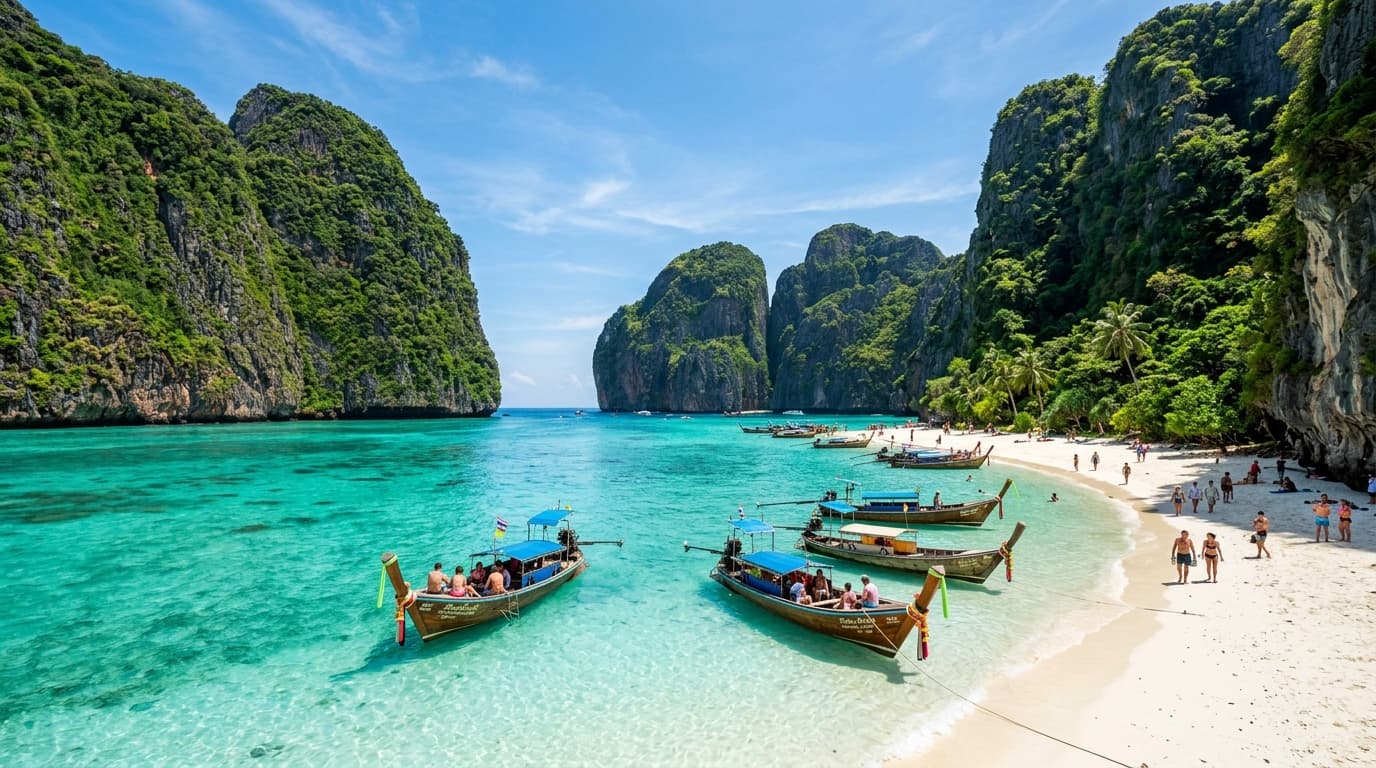
Best Beach Destinations in Spain for Different Travel Styles: Island Guide and Comparison
Explore Spain's top island beaches tailored to your style—from family fun in Mallorca to adventure in Tenerife. Compare options, activities, and tips for the perfect trip.
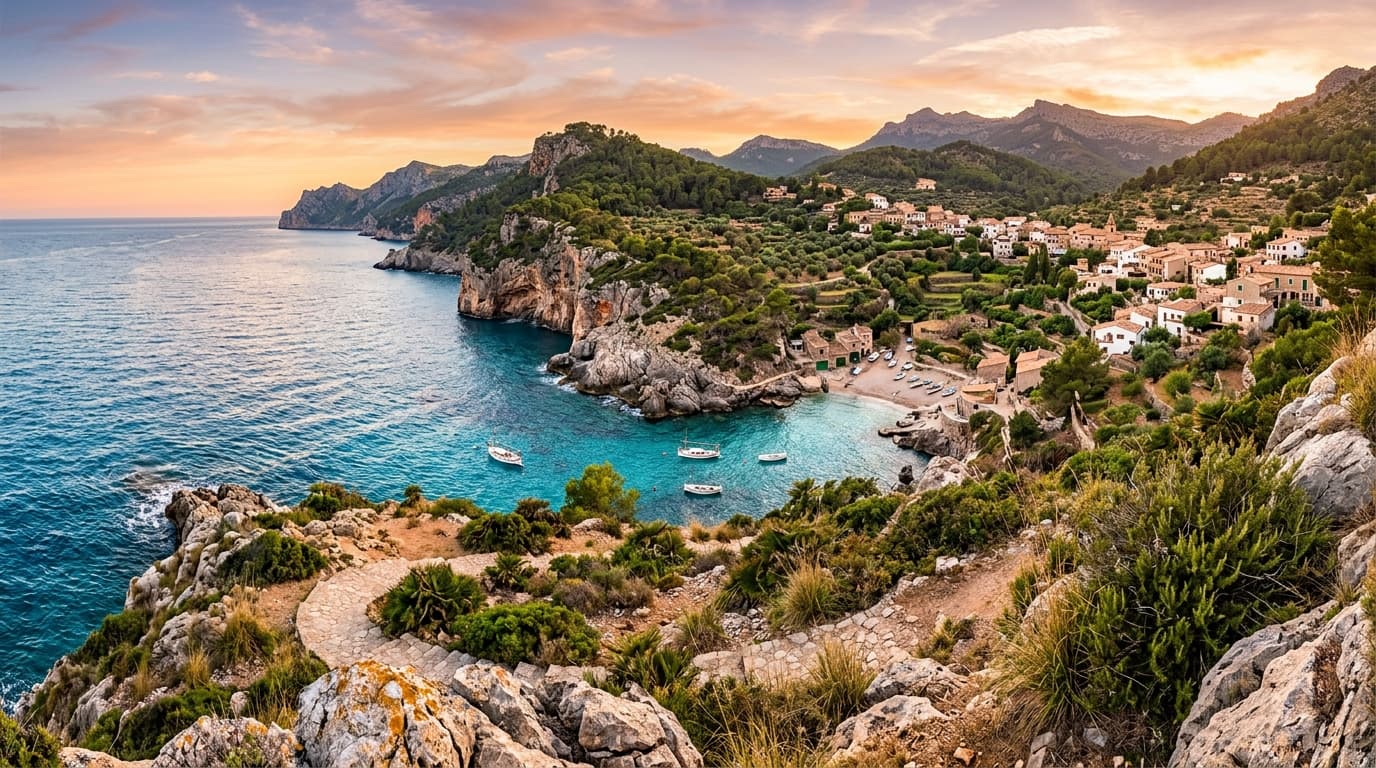
The Balearic Islands: Spain's Mediterranean Gems — A Complete Island-by-Island Guide
Explore Spain's Balearic Islands: Mallorca, Ibiza, Menorca & Formentera. Landscapes, villages, activities, accommodation & insider tips from our team.