
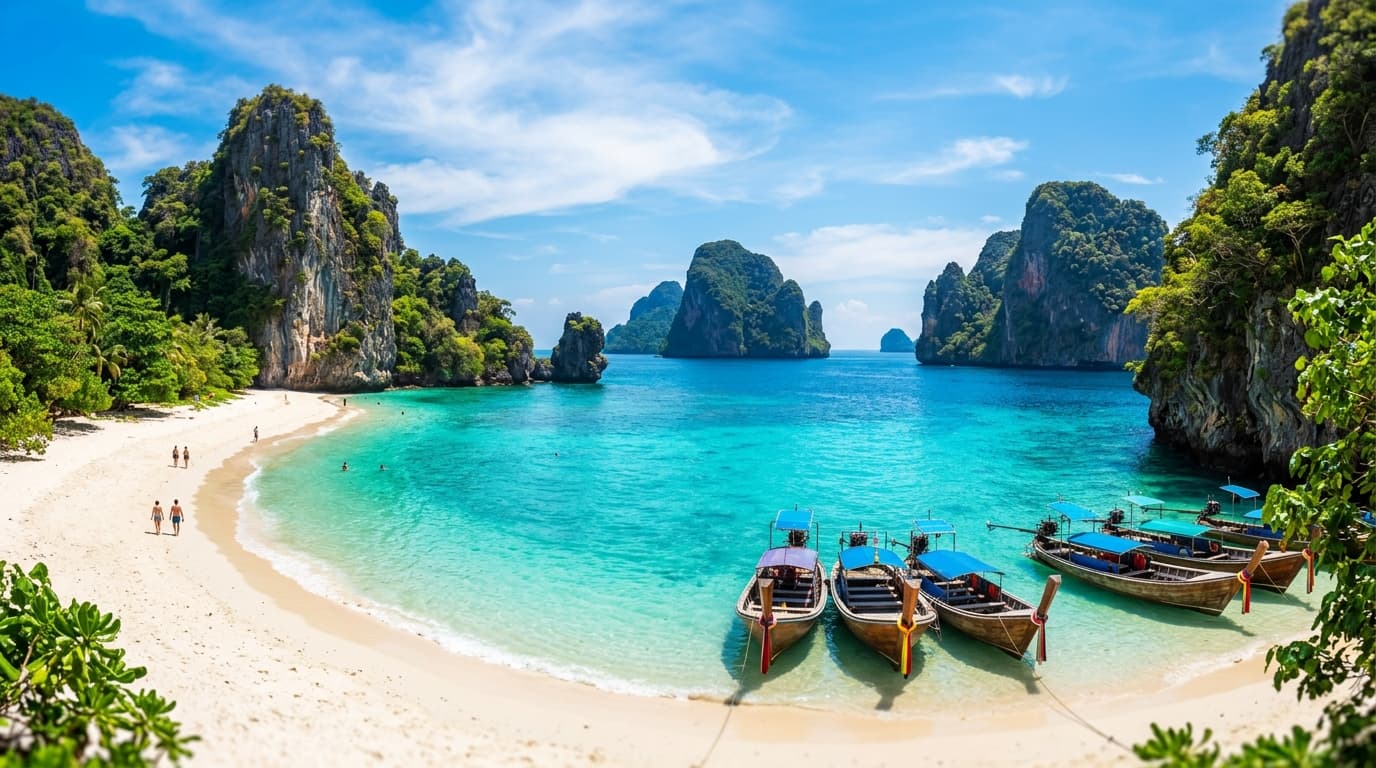
Imagine sinking your toes into powdery white sand while the Mediterranean breeze whispers promises of adventure—that's the allure of a Spain Coast Guide. From the sun-drenched beaches of the Costa del Sol to the volcanic shores of the Canary Islands, Spain's coastal gems offer endless escapes. Whether you're chasing waves or cultural hidden spots, this guide uncovers the best beach towns, islands, and scenic routes to craft your ideal itinerary.
Key Takeaways
| Question | Answer |
|---|---|
| What is the best time to visit? | Late spring (May-June) or early fall (September-October) for milder weather and fewer crowds on Spain's coasts. |
| How much does it cost? | Budget €50-100 per day for meals and local transport; mid-range €150-250 including stays (approx. $55-110 USD / $165-275 USD). Prices vary by season—check latest rates. |
| How do I get there? | Fly into major hubs like Barcelona or Madrid, then connect via ferry or regional flights to islands and coastal towns. |
| Is it safe? | Generally very safe, but watch for pickpockets in popular beach areas; follow standard travel precautions as outlined in our Safety Tips. |
| What should I book in advance? | Island ferries and popular beach town accommodations, especially during summer peak. |
| Best for families? | Canary Islands like Gran Canaria, with calm beaches and family-friendly activities. |
| Island hopping tips? | Use regional flights or ferries between Balearics; plan 7-10 days for a multi-island route. |
1. Overview of Spain's Coastal Treasures
Spain's coastline stretches over 8,000 kilometers, blending rugged cliffs, golden sands, and vibrant beach towns with isolated islands that feel worlds away. Our team has crisscrossed these shores, from the lively promenades of the Costa Brava to the serene coves of Menorca, gathering insights to help you navigate the best spots. This Spain Coast Guide focuses on key beach towns, the enchanting Balearic and Canary Islands, and essential routes for seamless travel.
When we explored the mainland coasts last summer, the mix of sun-soaked days and evening tapas scenes left us hooked on the region's easygoing vibe.
Beach Towns to Know
Beach towns like those along the Costa del Sol offer a perfect entry point for coastal explorers. Marbella and Nerja stand out for their mix of luxury resorts and authentic fishing village charm, where you can wander whitewashed streets by day and relax on pebble beaches at dusk.
These towns suit couples seeking romance or families wanting accessible amenities. In our experience, visiting mid-week avoids the weekend rush from nearby Malaga travel guide.
Why Islands Steal the Show
The islands elevate the coastal experience with unique ecosystems—from pine-fringed bays in the Balearics to black-sand beaches in the Canaries. They're ideal for unplugging, with activities ranging from hiking volcanic trails to yacht charters.
Did You Know? The Balearic Islands attract over 14 million visitors annually, making them one of Europe's top beach destinations.
Source: Balearic Islands Tourism
2. Diving into the Balearic Islands
The Balearic Islands, off Spain's eastern coast, are synonymous with Mediterranean paradise, featuring crystal-clear waters and a blend of relaxation and nightlife. As part of our Spain Coast Guide, we've highlighted how these islands cater to diverse travelers, from serene retreats to party havens. Our research trips revealed their accessibility from Barcelona, making them a top pick for short escapes.
During our time island-hopping in the Balearics during shoulder season, we appreciated the quieter trails and uncrowded beaches that transform the landscape.
Mallorca: The All-Rounder Island
Mallorca island guide beckons with diverse beaches like the pine-backed Cala Major and dramatic cliffs at Cap de Formentor. Activities include cycling through almond groves or snorkeling in turquoise coves, while accommodations range from boutique agroturismos to beachfront hotels.
It's best for active couples or families, with easy day trips to historic Palma. For more, see our Mallorca island guide.
- Prime Beach Pick: Es Trenc for its natural, unspoiled dunes and shallow waters ideal for swimming.
- Activity Highlight: Rent a scooter to explore Serra de Tramuntana's winding roads.
- Stay Smart: Opt for inland fincas to escape coastal crowds while staying close to the action.
- Local Flavor: Sample sobrasada sausage at a hillside market.
Ibiza and Menorca: Contrasting Vibes
Ibiza pulses with energy, perfect for nightlife seekers, while Menorca offers tranquil beaches like Cala Macarelleta. In Ibiza, dance clubs and hippie markets thrive; Menorca excels in hiking and prehistoric sites.
Menorca suits wellness travelers, Ibiza the young and adventurous. Read our Ibiza island guide and Menorca island guide for deeper dives.
3. Canary Islands: Atlantic Wonders
Farther afield in the Atlantic, the Canary Islands boast year-round sunshine and dramatic volcanic landscapes, a stark contrast to the mainland's Spain coasts. Our team's extended stays here uncovered a subtropical haven for nature lovers, with routes connecting the seven main islands via efficient ferries and flights.
We visited Tenerife in early spring, where mild 20°C days made hiking Teide National Park a highlight without the summer heat.
Tenerife: Adventure Central
Tenerife, the largest Canary, features black-sand beaches at Playa de las Teresitas and Mount Teide's lunar terrain. Activities span whale-watching boat trips to paragliding over Anaga's forests; accommodations include eco-lodges and all-inclusive resorts.
It fits thrill-seekers and families alike. Explore further in our Tenerife island guide.
Gran Canaria and Lanzarote: Diverse Escapes
Gran Canaria mixes dunes at Maspalomas with Las Palmas' urban buzz, ideal for varied beach days. Lanzarote's Timanfaya National Park offers surreal volcanic tours and lava-tube caves.
Gran Canaria suits mixed groups, Lanzarote eco-adventurers. Check our Gran Canaria island guide and Lanzarote island guide.
Did You Know? The Canary Islands' volcanic origins create unique black-sand beaches, with over 500 km of coastline across the archipelago.
Source: Canary Islands Tourism
4. Top Beach Towns Along the Coasts
Beyond islands, Spain's beach towns provide accessible coastal vibes, from the rugged Costa Brava in Catalonia to the glamorous Costa del Sol in Andalusia. These spots integrate seamlessly into your Spain Coast Guide, offering day trips from cities like Barcelona travel guide or Seville travel guide.
In our research along the Costa Brava, the jagged coves and fresh seafood paella became instant favorites for a laid-back coastal immersion.
Costa Brava's Hidden Coves
Towns like Tossa de Mar feature medieval walls overlooking pebbly beaches, with kayaking and coastal walks as key activities. Stays range from seaside apartments to charming hostales.
Best for hikers and history buffs. Compare it in our Costa Brava Vs Costa Del Sol blog.
- Scenic Route: Follow the Camí de Ronda trail for panoramic sea views.
- Dining Gem: Fresh grilled fish at a harborside spot.
- Relaxation Spot: Cala Pola for quiet swimming away from main crowds.
Costa del Sol's Sunny Stretches
Marbella's golden sands and yacht marinas contrast with quieter Torremolinos, where beach volleyball and chiringuito bars thrive. Accommodations include luxury villas and budget hostels.
Suits sun-worshippers and golfers. Link to Beach Day Costa Del Sol for ideas.
5. Essential Coastal Routes and Itineraries
Connecting beach towns and islands, Spain's coastal routes make exploration effortless, whether driving the winding roads of the Balearics or ferrying between Canaries. This section of our Spain Coast Guide outlines practical paths, drawing from our team's multi-day journeys.
Our last route from Mallorca to Ibiza involved a scenic ferry ride, revealing dolphins and sunset views that made the trip memorable.
Island-Hopping in the Balearics
Start in Mallorca, ferry to Ibiza for nightlife, then Menorca for calm. Each leg takes 2-4 hours; book via Transport.
Ideal for 10-day trips. See Balearic Islands Spain Guide.
Canary Chains and Mainland Links
Fly to Tenerife, bus to La Gomera, then Gran Canaria. From mainland, train to Costa Brava from Barcelona travel guide.
For families or adventurers. Plan with our Itineraries.
6. Beaches: From Sandy Shores to Secret Spots
Spain's beaches vary wildly, from the wide expanses of the Canaries to intimate coves in Menorca, each enhancing your Spain Coast Guide experience. We've tested many, noting how wind patterns affect swimming conditions.
When our team scouted Lanzarote's Papagayo beaches, the turquoise lagoons and minimal development felt like a private retreat.
Iconic Mainland Beaches
La Concha in San Sebastian offers urban elegance with calm waters. Further south, Playa de la Malvarrosa in Valencia buzzes with paella spots.
Best for city-beach combos. Details in San Sebastian travel guide and Valencia travel guide.
Island Beach Highlights
Playa de Muro in Mallorca for kitesurfing; Los Cristianos in Tenerife for family dips.
- Family Favorite: Shallow, lifeguarded sands in Gran Canaria's south.
- Secluded Choice: Menorca's hidden calas reached by foot.
- Adventure Beach: Surf spots on Ibiza's west coast.
- Eco Tip: Stick to marked paths to protect dune ecosystems.
7. Activities to Amp Up Your Coastal Trip
From water sports to cultural dives, activities along Spain's coasts keep energy high. Our Spain Coast Guide recommends based on island or town vibes, informed by on-ground testing.
In Gran Canaria, a morning hike followed by beach yoga showcased the islands' versatile appeal during our visit.
Water-Based Adventures
Snorkel in Menorca's marine reserves or surf San Sebastian's Zurriola Beach. Kayaking along Costa Brava cliffs is a must.
Link to Kayaking Costa Brava and Surf San Sebastian.
Land and Cultural Pursuits
Hike Teide in Tenerife or explore Lanzarote's wine routes. Beach towns offer flamenco evenings.
See Hiking Picos De Europa for similar vibes, and Flamenco Show.
Did You Know? Spain's coasts host over 500 Blue Flag beaches, recognized for cleanliness and safety.
Source: Official Spain Tourism
8. Accommodation Options Across Coasts and Islands
Finding the right stay ties your Spain Coast Guide together, with options from rustic posadas to seaside paradores. We've evaluated based on location and traveler type, ensuring value.
Our team's stay in a Menorca finca provided starry nights and proximity to beaches, a peaceful contrast to busier spots.
Budget and Mid-Range Picks
Hostales in Costa del Sol towns start affordable; island apartments offer kitchen-equipped value.
Best for backpackers. We may earn a small commission from bookings made through our links, at no extra cost to you. This helps us keep creating free travel guides.
Luxury and Unique Stays
Boutique hotels in Ibiza or eco-resorts in Lanzarote elevate the experience.
Suits romantics. More in Hotels travel guide adapted for coasts.
| Island/Town | Best For | Cost (EUR/night) | Rating |
|---|---|---|---|
| Mallorca | Families & Activities | €120-250 | ⭐⭐⭐⭐⭐ |
| Ibiza | Nightlife Lovers | €150-300 | ⭐⭐⭐⭐ |
| Tenerife | Adventurers | €100-220 | ⭐⭐⭐⭐⭐ |
| Costa Brava Towns | Hikers | €80-180 | ⭐⭐⭐⭐ |
| Lanzarote | Eco-Travelers | €90-200 | ⭐⭐⭐⭐ |
9. Who Each Destination Suits Best
Tailoring your trip means matching vibes: islands for seclusion, beach towns for convenience. This Spain Coast Guide segment helps decide based on our comprehensive research.
During a group trip to the Canaries, we saw how Tenerife's variety pleased everyone from kids to seniors.
Family-Friendly Spots
Gran Canaria and Mallorca beaches with amenities shine. Avoid peak summer for space.
Link to Spain With Kids 2026.
Solo or Couple Retreats
Menorca's quiet paths or Costa Brava's romantic dinners fit perfectly.
- Solo Pro: Join group hikes in Lanzarote for easy connections.
- Couple's Escape: Sunset cruises from Ibiza.
- Group Fun: Beach volleyball in Costa del Sol towns.
10. Practical Tips and What to Avoid
Navigating Spain's coasts requires savvy, from weather checks to sidestepping overtouristed traps. Our Spain Coast Guide includes honest advice from field notes.
We learned in Ibiza to skip all-day club queues by timing visits for afternoons.
Getting There and Around
Fly to island airports; use Public Transport for mainland. For connectivity, see Esim.
Common Mistakes to Dodge
Overpack for heat—light layers suffice. Avoid unofficial beach vendors for inflated prices; stick to licensed spots. Tourist traps like overpriced souvenir stalls in peak season can drain budgets—opt for local markets instead.
For weather, consult Best Time To Visit Spain 2026.
Frequently Asked Questions
Best islands in Spain for beaches?
The Balearic Islands like Mallorca and Menorca offer pristine Mediterranean sands, while Canary Islands such as Tenerife provide volcanic black beaches. Mallorca's Es Trenc is a top pick for its natural beauty, ideal for a relaxing day.
How to get to Spanish islands from mainland?
Fly from major airports like Madrid or Barcelona to island hubs, or take ferries from Valencia to Balearics (2-8 hours). Regional flights are quickest for Canaries; book via our Transport guide for options.
What activities are there on Spain's coasts?
Expect snorkeling, hiking, and water sports on islands, plus coastal walks and tapas tours in beach towns. In Tenerife, Teide hikes take 4-6 hours; for guided options, see Experiences.
Is Spain's coast expensive for travelers?
Costs vary, but expect €100-200 daily for mid-range stays and meals on islands. Beach towns like Costa Brava can be cheaper than Ibiza; budget tips in our Is Spain Expensive 2026 post.
Best time to visit Spain's islands?
Shoulder seasons (April-June, September-October) balance weather and crowds, with temps around 20-25°C. Avoid July-August for heat and peaks; details in Spain in monthly guides.
Are Spain's beaches family-friendly?
Yes, many like Gran Canaria's south coast have shallow waters and facilities. Tenerife's Loro Parque adds kid appeal; plan with Spain With Kids 2026.
How to island-hop in Spain?
Use ferries between Balearics (e.g., Mallorca-Ibiza, 2.5 hours) or flights for Canaries. A 7-10 day itinerary covers 2-3 islands; see Balearic Islands Spain Guide.
Spain's coasts and islands deliver unforgettable blends of sun, sea, and culture, from Balearic hopping to Canary adventures and mainland beach town charm. Whether choosing Mallorca's versatility or Tenerife's drama, these destinations promise tailored magic. Ready to plan? Dive into our Islands section or Destinations for more. Trust the Go2Spain Team—we've researched every cove to ensure your trip shines, backed by official sources and on-the-ground insights.
Sources & References
This article is based on first-hand experience and verified with the following official sources:

Go2Spain Team
Based in Spain since 2020 | All 13 regions visited | Updated monthly
We are a team of travel writers and Spain enthusiasts who explore the country year-round. Our guides are based on first-hand experience, local knowledge, and verified official sources.
More about us →People Also Read
Best Beach Destinations in Spain for Different Travel Styles: Island Guide and Comparison
Explore Spain's top island beaches tailored to your style—from family fun in Mallorca to adventure in Tenerife. Compare options, activities, and tips for the perfect trip.
Spain Island Hopping Guide: Routes, Costs and Tips
Discover the best Spain island hopping routes across the Balearics and Canaries, with costs, tips, beaches, and activities for every traveler.
Island Hopping in Spain: Balearics and Canaries
Plan the perfect Spanish island-hopping adventure across the Balearic and Canary Islands, with ferry routes, highlights, and tips.

Spain Weather Guide: Seasons, Packing and Regional Differences
Complete guide to Spain's weather by season and region. Learn what to pack, best travel times, and how climate varies from coast to mountains.