
Island Hopping in Spain: Balearics and Canaries
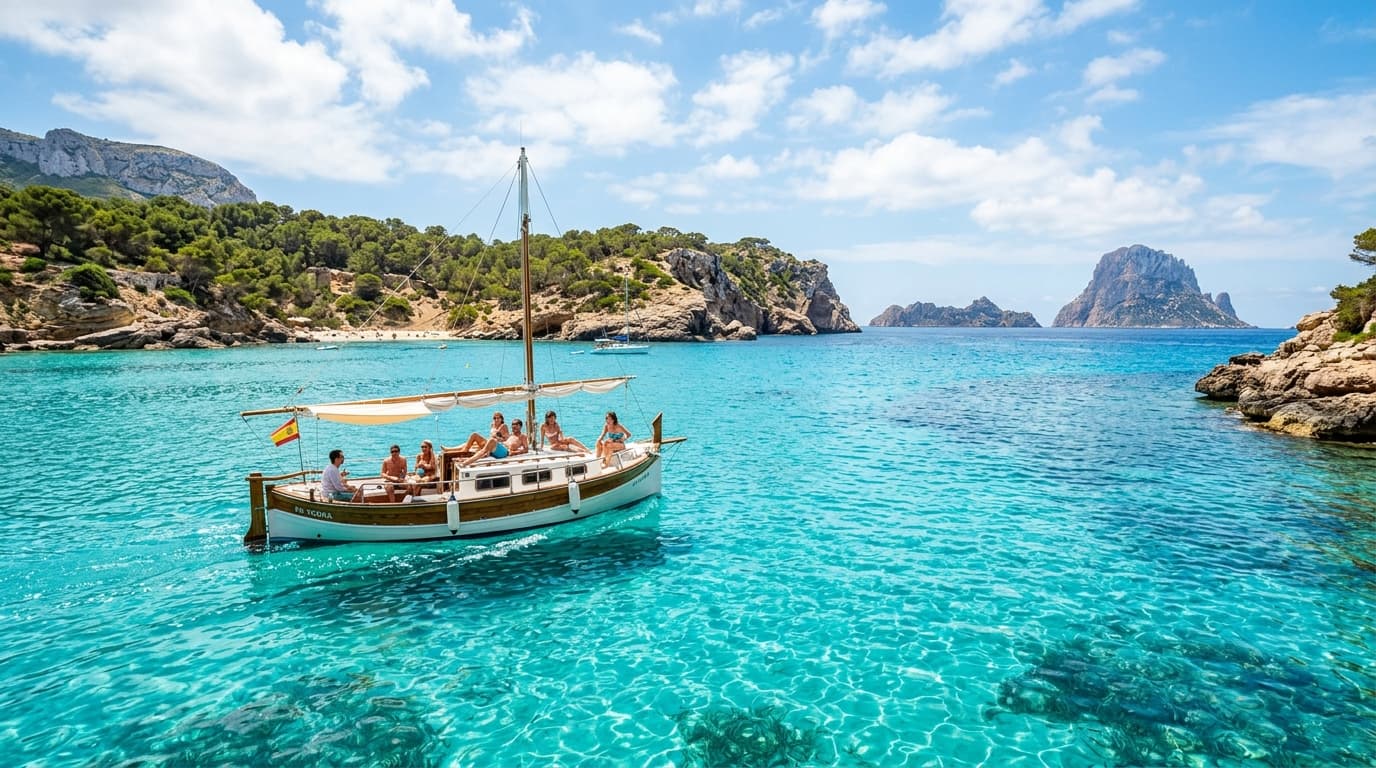
Spain's islands offer two completely different worlds. The Balearic Islands in the Mediterranean deliver glamorous beach culture and hidden coves, while the Canary Islands off Africa's coast provide volcanic landscapes and year-round sunshine.
The Balearic Islands
Mallorca
The largest Balearic island has moved far beyond its package holiday reputation. The Serra de Tramuntana mountain range along the northwest coast is a UNESCO World Heritage landscape, with hiking trails, stone villages like Deia and Valldemossa, and dramatic cliff-top roads. Palma's old town rivals any mainland city for architecture, dining, and nightlife. The east coast has pristine calas (coves) with turquoise water.
Menorca
The quieter, more laid-back Balearic island is a UNESCO Biosphere Reserve. Menorca is famous for its unspoiled beaches, prehistoric megalithic monuments, and a slower pace of life. Ciutadella's harbor is charming, and the Cami de Cavalls coastal path circles the entire island in 185 km.
Ibiza
Beyond the world-famous clubs, Ibiza has a peaceful side. The UNESCO-listed old town (Dalt Vila) crowns a hilltop fortress. The north of the island has yoga retreats, organic restaurants, and quiet coves. Even party-goers should experience a sunset at Cafe del Mar in Sant Antoni.
Formentera
The smallest inhabited Balearic island is reached by ferry from Ibiza (30 minutes). Its Caribbean-quality beaches, particularly Ses Illetes, are among the Mediterranean's finest. The island is best explored by bicycle.
The Canary Islands
Tenerife
The largest Canary Island offers diverse landscapes from the lunar terrain of Teide National Park to the lush Anaga Mountains in the northeast. Los Cristianos and Playa de las Americas are the main resort areas, while Santa Cruz and La Laguna offer authentic Canarian culture.
Gran Canaria
A continent in miniature, Gran Canaria has sand dunes at Maspalomas, pine forests in the mountainous interior, and the charming colonial quarter of Vegueta in Las Palmas. The island's microclimates mean you can experience multiple weather conditions in a single day.
Lanzarote
Shaped by volcanic eruptions, Lanzarote's landscape is otherworldly. The Timanfaya National Park features fire mountains where heat from underground volcanoes can be felt at the surface. Artist Cesar Manrique's influence is visible across the island in the harmonious integration of architecture and nature.
La Palma
The greenest Canary Island is a hiking paradise. The Caldera de Taburiente is an enormous volcanic crater, and the Roque de los Muchachos observatory sits above the clouds at nearly 2,400 meters.
Getting Between Islands
Balearics: Inter-island ferries run by Balearia and Trasmediterranea connect all four islands, with the Mallorca-Menorca crossing taking about 2 hours. Flights between islands take 30 minutes. Canaries: Ferries by Fred Olsen and Naviera Armas connect the islands, with crossing times from 1-6 hours depending on the route. Inter-island flights with Binter Canarias are quick and affordable.
Planning Tips
Visit the Balearics from May to October for the best weather and sea temperatures. The Canaries are ideal year-round, with winter temperatures of 20-24 degrees. Book ferries in advance during summer and holidays. A one-week trip can comfortably cover two to three islands in either archipelago.

Go2Spain Editorial Team
Based in Spain since 2020 | All 13 regions visited | Updated monthly
We are a team of travel writers and Spain enthusiasts who explore the country year-round. Our guides are based on first-hand experience, local knowledge, and verified official sources.
More about us →People Also Read

Best Beaches and Islands in Spain: Where to Go First
Discover Spain's best beaches and islands. Compare Mallorca, Ibiza, Tenerife, and more with insider tips on where to stay, what to do, and how to get there.
Best Beach Destinations in Spain for Different Travel Styles: Island Guide and Comparison
Explore Spain's top island beaches tailored to your style—from family fun in Mallorca to adventure in Tenerife. Compare options, activities, and tips for the perfect trip.
Spain Island Hopping Guide: Routes, Costs and Tips
Discover the best Spain island hopping routes across the Balearics and Canaries, with costs, tips, beaches, and activities for every traveler.
Spain Coast Guide: Beach Towns, Islands and Routes
Explore Spain's coasts: from vibrant beach towns to idyllic islands like Mallorca and Tenerife. Get tips on routes, activities, and stays for your perfect trip.