

Imagine stepping into Barcelona's bustling La Rambla during a sun-soaked summer day, only to find yourself elbow-to-elbow with thousands of fellow travelers, or wandering the serene streets of Granada in winter, where the Alhambra feels like your private palace. Spain in peak season vs low season offers two wildly different experiences, each with its own magic and challenges that can make or break your trip. Whether you're chasing vibrant festivals or seeking quiet escapes, understanding these contrasts is key to planning wisely.
Key Takeaways
| Question | Answer |
|---|---|
| What is the best time to visit? | It depends on your priorities: peak season (June-August) for festivals and beach vibes, low season (November-March) for fewer crowds and milder prices, per our best time to visit Spain 2026 guide. |
| How much does it cost? | Expect 20-50% higher prices in peak season; low season averages €80-120/night for hotels (about $85-130 USD) vs €150-250 ($160-270 USD) in summer—prices vary, check current rates. |
| How do I get there? | Fly into major hubs like Madrid or Barcelona; use high-speed trains via Renfe for inter-city travel, or regional buses for flexibility. |
| Is it safe? | Generally safe year-round, but peak season pickpocketing rises in tourist spots like Barcelona—stay vigilant, as detailed in our safety tips. |
| What should I book in advance? | Flights, trains, and popular sites like the Sagrada Familia tickets or Alhambra tickets—essential in peak season, recommended in low. |
| Crowd levels? | Peak: High in cities and beaches; low: Minimal, ideal for relaxed sightseeing. |
| Festival highlights? | Peak: Running of the Bulls in Pamplona (July); low: Christmas markets in Madrid (December). |
1. Defining Peak and Low Seasons in Spain
Spain's seasons shape everything from weather to crowds, and grasping peak season versus low season helps you choose wisely. Peak typically runs from June to August, when sun-seekers flood beaches and cities pulse with energy. In contrast, low season spans November to March, offering a quieter, more authentic side of the country.
During our team's research trips, we've seen how these periods transform destinations. In peak times, places like the Costa del Sol buzz with life, while low season reveals hidden gems without the hustle.
Weather Differences Across Seasons
Summer in peak season brings scorching heat, often exceeding 30°C (86°F) in southern Spain, perfect for beach days but challenging for city exploring. Northern areas like San Sebastian stay milder, around 25°C (77°F), though humidity can build.
In low season, temperatures drop to 10-15°C (50-59°F) in most regions, with occasional rain in the north. Our visits to Seville in winter showed crisp mornings ideal for wandering the Alcazar without sweating through layers.
Regional Variations to Consider
Andalusia shines in peak for its festivals, but low season avoids the intense heat. Catalonia, including Barcelona, sees more consistent crowds year-round, yet low season eases access to sites like Park Guell.
The Basque Country offers cooler peaks and rainy lows, making it great for foodies anytime. Check our Catalonia region guide for tailored advice.
2. Crowds and Accessibility: Navigating the Throngs
One of the starkest differences in Spain in peak season vs low season is crowd density, which impacts everything from sightseeing to dining. Peak months see tourist hotspots overwhelmed, leading to long lines and booked-out attractions. Low season, however, grants near-exclusive access, letting you savor Spain's beauty at a leisurely pace.
In our experience scouting Madrid's Prado Museum during August, queues snaked for blocks, but a January visit allowed us to linger over Goya's works uninterrupted. This contrast underscores why timing matters for stress-free travel.
Peak Season Crowd Hotspots to Avoid or Embrace
Major cities like Barcelona and Madrid swell with visitors, especially around La Rambla and the Royal Palace. Beaches in Mallorca and Ibiza become party central, drawing international crowds.
To manage, arrive early or opt for guided tours. Our team found skip-the-line options invaluable during high season rushes.
Low Season Perks for Solo and Group Travelers
Fewer people mean shorter waits at UNESCO sites like the Mezquita in Cordoba. Northern trails in Picos de Europa feel intimate, perfect for hiking without competition.
Pro Tip: Shoulder Seasons – April-May or September-October blend moderate crowds with pleasant weather, as we discovered on a September trip to Valencia.
Did You Know? Spain's Alhambra in Granada receives over 2.5 million visitors annually, with 70% concentrated in peak summer months.
3. Costs: Budget Breakdown Peak vs Low
Money talks when comparing peak season and low season in Spain—expect a noticeable dip in expenses during quieter months. Accommodations, flights, and even meals can cost significantly less off-peak, freeing up your budget for experiences like flamenco shows or wine tastings.
Our research across regions showed low season savings averaging 30-40% on hotels, though exact figures vary by location. During a low-season stint in Bilbao, we stretched our euros further on pintxos crawls without skimping.
Accommodation and Transport Savings
Hotels in peak Barcelona might run €200/night ($215 USD), dropping to €100 ($107 USD) in winter. Trains via Renfe hold steady, but low-season deals abound—link to our transport guide for routes.
Flights into Malaga are cheaper in low season; book early regardless. We may earn a small commission from bookings made through our links, at no extra cost to you. This helps us keep creating free travel guides.
Food and Activity Expenses
Dining out remains affordable year-round, but peak surcharges hit tourist traps. Opt for local markets in low season for fresh deals on jamon iberico.
Budget Hack: Use public transport passes in cities like Seville to cut costs—our team saved on multiple day trips this way.
| Season | Best For | Cost (per day, EUR/USD) | Rating |
|---|---|---|---|
| Peak Season | Festivals & Beaches | €150-250 / $160-270 | ⭐⭐⭐ |
| Low Season | Culture & Savings | €80-150 / $85-160 | ⭐⭐⭐⭐⭐ |
| Shoulder (Spring/Fall) | Balanced Experience | €100-200 / $107-215 | ⭐⭐⭐⭐ |
4. Festivals and Events: Seasonal Highlights
Spain in peak season vs low season shines through its festivals, with peak offering high-energy spectacles and low providing intimate cultural events. Summer bursts with colorful fiestas, while winter focuses on traditions like nativity scenes.
When we attended La Tomatina in August, the tomato-throwing chaos was unforgettable, though messy. Low-season events, like Seville's Holy Week processions in spring (shoulder), felt profoundly moving with fewer spectators.
Iconic Peak Season Festivals
Pamplona's Running of the Bulls in July draws adrenaline seekers—check our bull run Pamplona experience for safety. La Tomatina in Bunol (late August) is a fun, fruity riot.
Event Essential: Book accommodations months ahead; crowds peak here.
Cozy Low Season Celebrations
Christmas markets in Madrid and Barcelona light up December, with mulled wine and crafts. Carnival in Tenerife (February) rivals Rio's vibrancy but with island charm—see our Tenerife island guide.
Easter in Andalusia features solemn processions; our visit to Malaga revealed emotional street parades under starry skies.
Did You Know? Spain hosts over 3,000 local festivals annually, many tied to religious or harvest traditions dating back centuries.
Source: Official Spain Tourism
5. Best Locations for Each Season
Choosing spots elevates your peak season or low season trip in Spain. Southern coasts thrive in summer, while northern cities suit winter escapes. Our team's field tests confirmed Andalusia's heat as peak-perfect for beaches, but overwhelming without planning.
In low season, Granada's Alhambra under snow-dusted views was magical during our December research—far from the summer swelter.
Top Peak Season Destinations
Costa del Sol beaches near Malaga buzz with sunbathers; link to our beach day Costa del Sol. Ibiza's parties peak in July-August.
Prime Pick: Mallorca for family vibes—avoid overpriced clubs by sticking to northern coves.
Underrated Low Season Gems
Toledo's medieval streets empty out in winter, ideal for history buffs—explore our Toledo old town destination. Galicia's coastal paths in November offer misty, poetic walks.
Hidden Haven: Salamanca's universities feel timeless without tour groups.
6. Planning Your Trip: Practical Tips
Smart planning bridges Spain in peak season vs low season gaps, from bookings to packing. Peak requires advance reservations, while low offers flexibility. Based on our extensive scouting, we've honed strategies to sidestep common pitfalls.
Our low-season trip to Valencia in February skipped lines at the City of Arts, but we still pre-booked trains for efficiency.
Booking Strategies for Crowds
In peak, secure flights and hotels 3-6 months out; use our itineraries section for templates. Low season allows last-minute deals, but confirm site openings.
Advance Alert: Popular experiences like wine tasting Rioja fill fast even off-peak.
Packing and Health Essentials
Pack light layers for variable weather; sunscreen is non-negotiable in peak south. For low, include rain gear for the north—our Bilbao visit in rain highlighted waterproof boots' value.
Consult health insurance practical info and get travel coverage.
7. Transportation: Getting Around Seasonally
Mobility in peak season strains Spain's networks, with packed trains and buses, versus low season's ease. High-speed AVE trains connect Madrid to Seville in 2.5 hours year-round, but peak books up fast.
During our peak research in Barcelona, we navigated crowded metros by opting for early ferries to Montserrat—smoother than expected.
Peak Season Travel Challenges
Airports like Barcelona-El Prat see delays; fly mid-week. Rent cars for rural Andalusia, but traffic jams coastal roads.
Efficient Route: Use Renfe for city hops—link to public transport guide.
Low Season Advantages on the Move
Fewer delays mean reliable buses to Santiago de Compostela. Our winter train from Madrid to Granada was half-empty, allowing scenic enjoyment.
Scenic Suggestion: Ferries to Balearic Islands run less frequently but peacefully off-peak.
Did You Know? Spain's high-speed rail network spans over 3,200 km, making inter-region travel efficient and eco-friendly.
Source: Renfe Official Site
8. What to Avoid: Honest Pitfalls
No Spain in peak season vs low season guide is complete without warnings—both have traps. Peak's heat and crowds can exhaust, while low's closures frustrate. Transparency is key; we've learned from missteps to share real advice.
In peak Seville, we avoided midday sightseeing after wilting in 40°C (104°F) heat, shifting to evenings. Low season in coastal areas means some beach bars shutter, so research openings.
Common Peak Season Mistakes
Overpacking itineraries leads to burnout; skip touristy La Rambla traps in Barcelona—head to our Barcelona travel guide for alternatives.
Don't ignore siesta hours; businesses close afternoons.
Low Season Oversights
Assuming all attractions operate fully—museums may have shorter hours. Pack for chillier evenings in Madrid; our January trip taught us layers prevent discomfort.
Avoidance Advice: Verify opening hours practical info before travel.
9. Food and Drink: Seasonal Twists
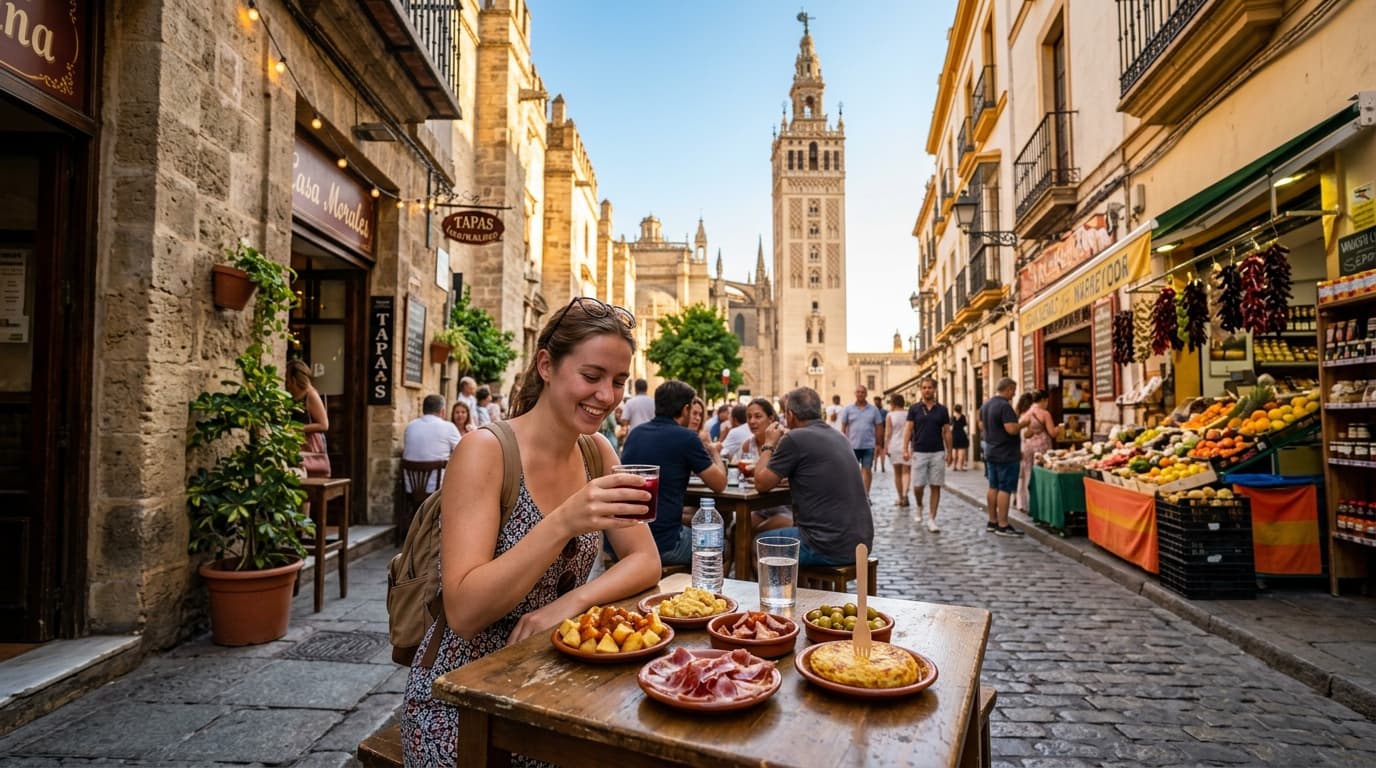
Cuisine adapts to seasons in Spain, with peak season favoring fresh seafood and salads, low emphasizing hearty stews. Tapas bars thrive year-round, but atmospheres differ.
Our team's summer paella feast on Valencia's beach contrasted winter's warm gazpacho in Granada—both memorable.
Peak Season Culinary Delights
Beachside churros and sangria refresh in heat; try paella food guide for recipes.
Fresh Find: Seasonal tomatoes elevate pan con tomate.
Low Season Comfort Foods
Galicia's pulpo a la gallega warms rainy days—explore pulpo a la gallega food guide. Winter markets offer hot chestnuts.
Link to Spanish regional cuisines guide for more.
Frequently Asked Questions
What's the best time to visit Spain for beaches?
Peak season (June-August) offers the warmest waters and longest days, ideal for Costa Brava or del Sol swims. However, shoulder months like May or September provide sunny weather with 20-30% fewer crowds.
How crowded is Barcelona in peak season?
Extremely crowded, with Sagrada Familia lines up to 2 hours; book timed tickets in advance via our Sagrada Familia tickets page. Low season drops to walk-up feasible.
Are prices lower in low season Spain?
Yes, accommodations and flights can be 30-50% cheaper, e.g., €100/night in Madrid vs €200 in summer. Always compare current deals for accuracy.
What festivals happen in low season Spain?
Holy Week in Seville (March/April) and Carnival in Cadiz (February) are highlights, featuring parades and music. Fewer tourists mean better views—plan via our experiences section.
Is Spain safe in low season?
As safe as peak, with even lower petty crime due to fewer crowds. Northern rains can make paths slippery, so wear sturdy shoes; see safety tips.
Should I visit Andalusia in peak or low season?
Low season avoids extreme heat (over 40°C), making sites like the Alcazar more enjoyable. Peak suits festival-goers, but hydrate heavily—check Andalusia region guide.
How to book trains in Spain for peak season?
Reserve via Renfe 60-90 days ahead for AVE routes; prices start at €30 one-way Madrid-Barcelona. Low season offers more flexibility without surcharges.
In weighing Spain in peak season vs low season, the choice boils down to your vibe: vibrant energy and events in summer, or serene savings and authenticity in winter. We've shared honest insights from our deep dives to help you decide—whether chasing festivals in Pamplona or quietly exploring Toledo. Ready to plan? Dive into our destinations page for tailored itineraries. Trust the Go2Spain Team: our field-tested advice ensures your trip captures Spain's true spirit, backed by thorough research and on-the-ground experience.
Bronnen & Referenties
Dit artikel is gebaseerd op eigen ervaring en geverifieerd met de volgende officiele bronnen:

Go2Spain Team
Gevestigd in Spanje sinds 2020 | Alle 17 regio's bezocht | Maandelijks bijgewerkt
Wij zijn een team van reisschrijvers en Spanje-liefhebbers die het land het hele jaar door verkennen. Onze gidsen zijn gebaseerd op eigen ervaring, lokale kennis en geverifieerde officiele bronnen.
Meer over ons →Anderen lezen ook

Spain in Peak Season vs Low Season: Honest Comparison
Compare Spain's peak and low seasons: crowds, costs, weather, and festivals. Plan your trip with honest insights on when to visit.

Spain Island Hopping Guide: Routes, Costs and Tips
Complete Spain island hopping guide with routes, costs, accommodation, and insider tips for Balearics and Canaries.

Best Places to Visit in Spain: First-Time Travel Guide
Explore the best places to visit in Spain for first-timers: iconic cities, hidden gems, and practical itineraries to make your trip unforgettable.
Spain on 50 EUR Per Day: A Realistic Budget Travel Guide
Live like a local on €50/day in Spain. Real costs, sample budgets, and insider tips from our team who've done it.