
Festivals in Spain: The Complete Guide to Spanish Fiestas
Spaniards celebrate with passion, and the country's calendar is packed with festivals ranging from solemn religious processions to riotous food fights. Planning your visit around a festival adds an unforgettable dimension to any trip.
Semana Santa (Holy Week) -- March/April
Spain's most important religious celebration takes place the week before Easter, with processions in every city and town. Seville's Semana Santa is the most famous, with ornate floats (pasos) carried through narrow streets by barefoot penitents. Malaga and Valladolid also have spectacular celebrations. Book accommodation months in advance, as this is one of Spain's busiest travel periods.
Las Fallas, Valencia -- March 15-19
Valencia's most famous festival features enormous artistic sculptures (fallas) displayed throughout the city, only to be burned on the final night (La Crema). The festival includes daily firework displays, parades of women in traditional dress, and the deafening mascleta firecracker show at noon in Plaza del Ayuntamiento.
Feria de Abril, Seville -- Two Weeks After Easter
Seville's April Fair transforms a fairground into a temporary city of striped tents (casetas), where families and friends gather to eat, drink, and dance sevillanas. Women wear traditional flamenco dresses, horse-drawn carriages parade the grounds, and the atmosphere is joyous. Access to private casetas requires an invitation, but public casetas welcome everyone.
San Fermin (Running of the Bulls), Pamplona -- July 6-14
The world-famous encierro (bull run) draws thousands of spectators and participants to Pamplona's narrow streets each morning at 8 AM. Beyond the runs, the festival features concerts, fireworks, and nonstop celebrations. The opening ceremony (chupinazo) on July 6 and the closing song "Pobre de Mi" are deeply emotional moments.
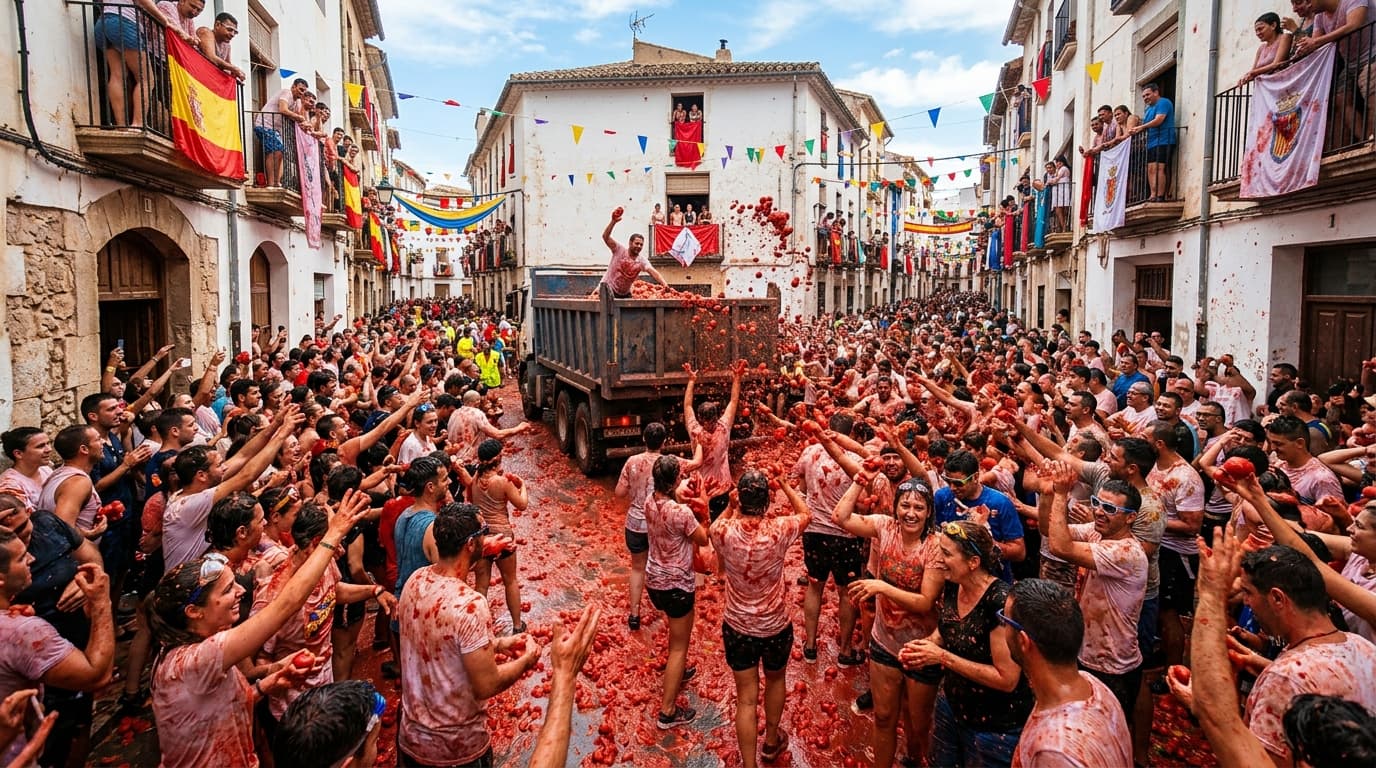
La Tomatina, Bunol -- Last Wednesday of August
The world's largest food fight takes place in the small Valencian town of Bunol, where participants hurl overripe tomatoes at each other for one glorious hour. Tickets must be purchased in advance and sell out quickly. Wear old clothes and bring goggles.
Carnival -- February
Cadiz and Tenerife host Spain's biggest Carnival celebrations. Cadiz is known for its satirical musical groups (chirigotas) and street parties. Tenerife's carnival rivals Rio de Janeiro in scale and spectacle, with elaborate costumes, samba-inspired parades, and the election of the Carnival Queen.
La Merce, Barcelona -- September 24
Barcelona's biggest street festival honors the city's patron saint with free outdoor concerts, human tower building (castells), fire runs (correfoc) with dragons and devils, and traditional Catalan folk performances. The entire city comes alive for four days.
Moros y Cristianos, Alcoy -- April
This festival in the Valencian town of Alcoy reenacts the battles between Moors and Christians with elaborate costumes, mock battles, and processions. Similar celebrations occur in towns across eastern Spain.
Grape Harvest Festivals -- September/October
Wine regions across Spain celebrate the harvest with grape-stomping, wine tastings, and local festivities. Logrono's San Mateo festival and Jerez's Fiesta de la Vendimia are particularly popular.
Planning Around Festivals
Book accommodation as early as possible -- popular festivals cause prices to triple or more. Major festivals affect transport and attraction opening hours. Arrive a day early to settle in before celebrations begin. Join in respectfully and enthusiastically -- Spaniards love sharing their traditions with visitors. Protect your belongings in crowded festival settings.

Go2Spain Editorial Team
Gevestigd in Spanje sinds 2020 | Alle 17 regio's bezocht | Maandelijks bijgewerkt
Wij zijn een team van reisschrijvers en Spanje-liefhebbers die het land het hele jaar door verkennen. Onze gidsen zijn gebaseerd op eigen ervaring, lokale kennis en geverifieerde officiele bronnen.
Meer over ons →Anderen lezen ook

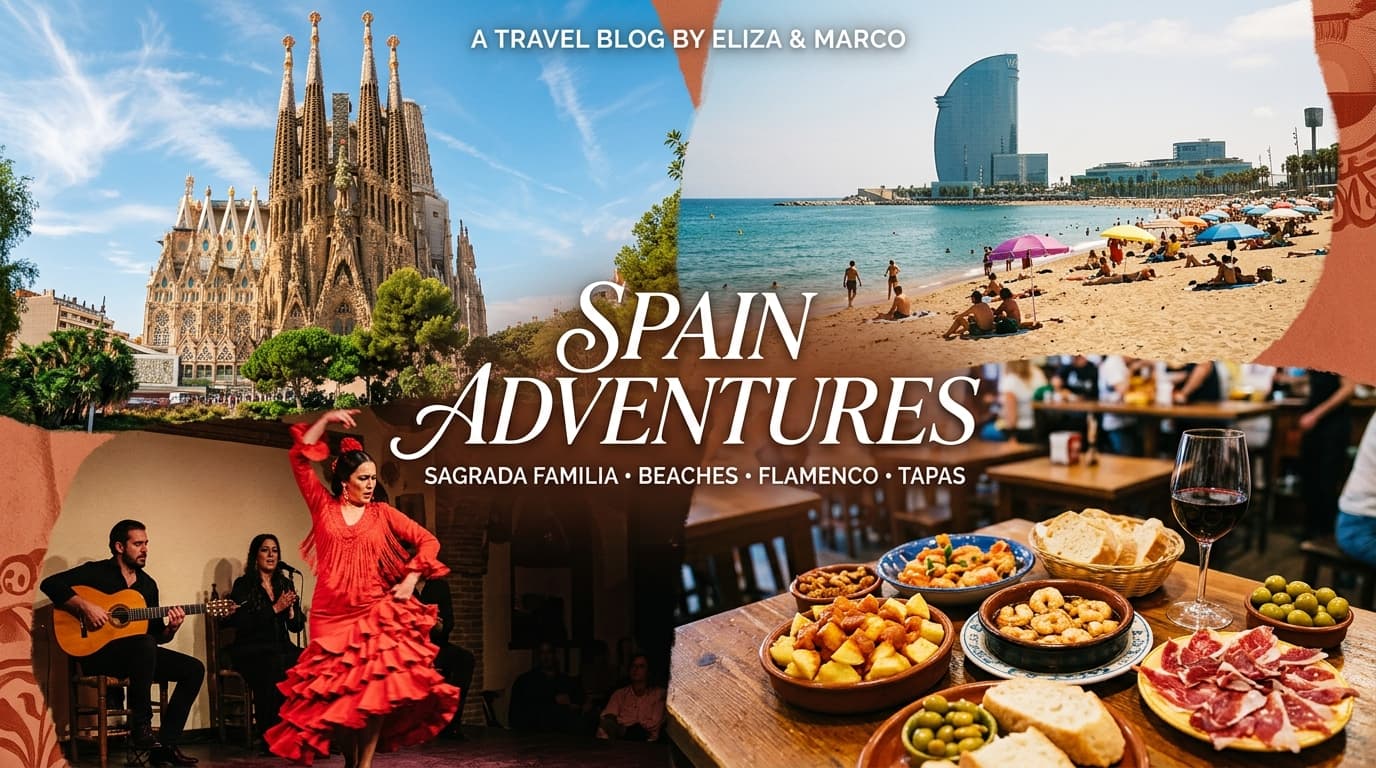
Spain Festivals and Events: When to Plan Your Trip
Plan your Spain trip around festivals and events. Discover when to visit for La Tomatina, Running of the Bulls, flamenco, and regional celebrations.
The Ultimate Spain Travel Guide 2026
Everything you need to know to plan the perfect trip to Spain in 2026, from visa requirements to must-see destinations.
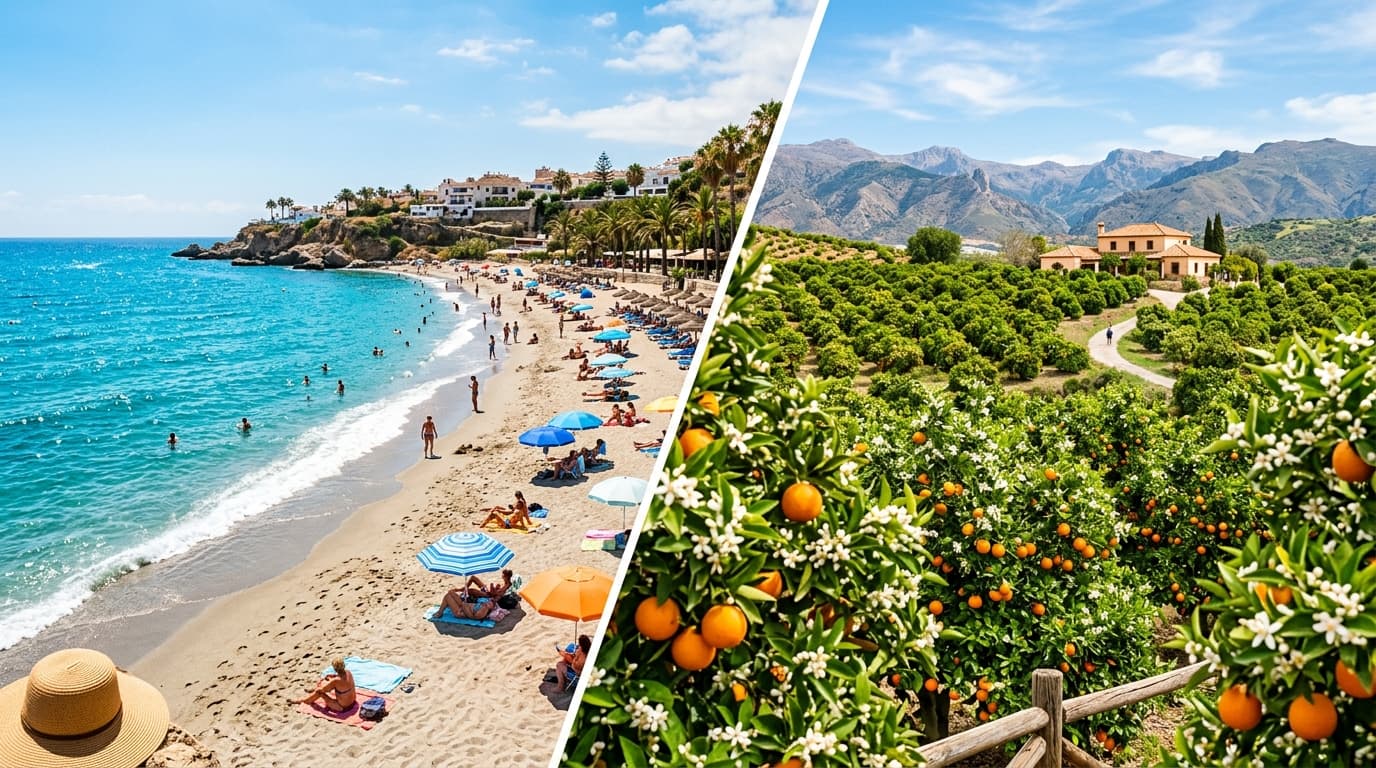
Best Time to Visit Spain: A Month-by-Month Guide
Discover the ideal time to visit Spain based on weather, crowds, prices, and regional events throughout the year.
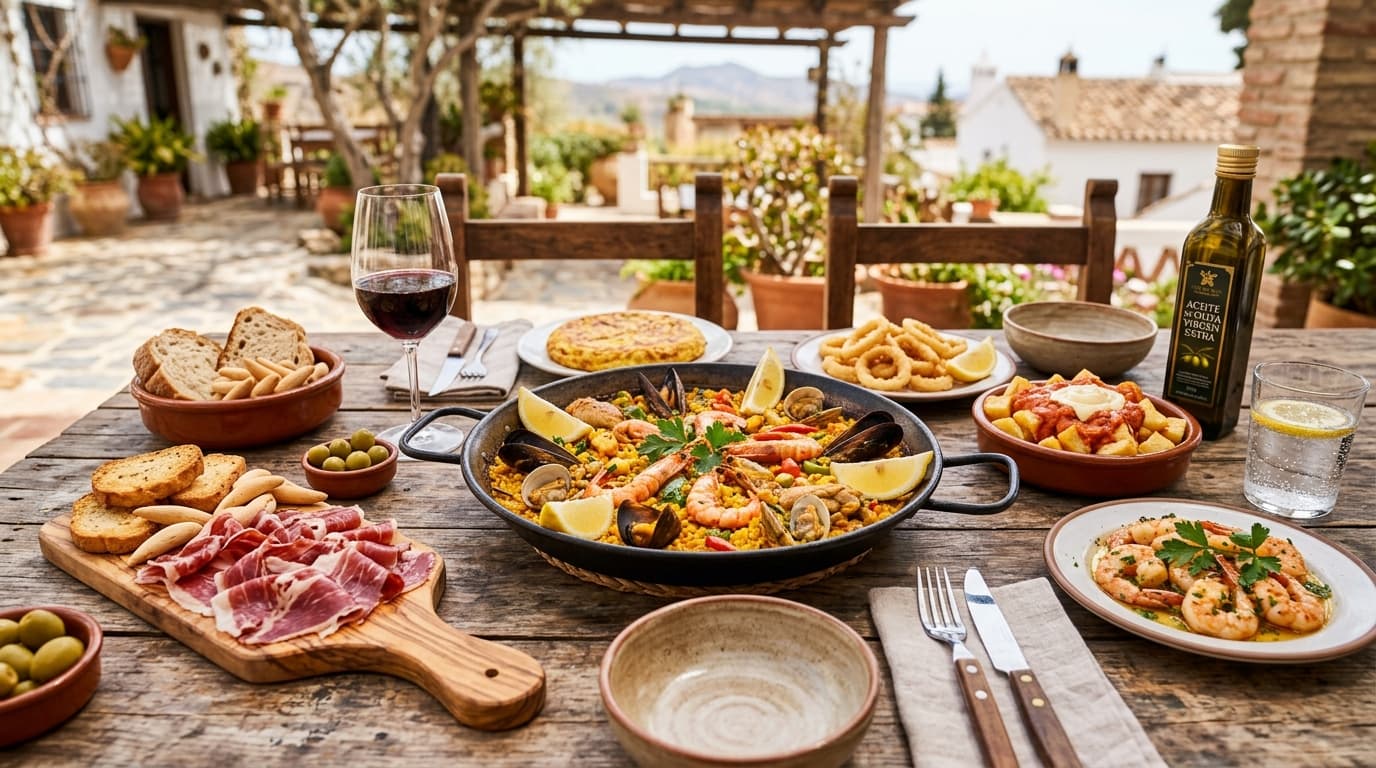
Spanish Food Guide: Must-Try Dishes and Where to Find Them
From paella to pintxos, discover the essential dishes of Spanish cuisine and the best regions to taste them.