
Spanish Food Guide: Must-Try Dishes and Where to Find Them
Spanish cuisine is one of the world's great culinary traditions, built on fresh ingredients, bold flavors, and centuries of regional diversity. Every corner of Spain has its own specialties, and eating is a deeply social activity.
The Tapas Tradition
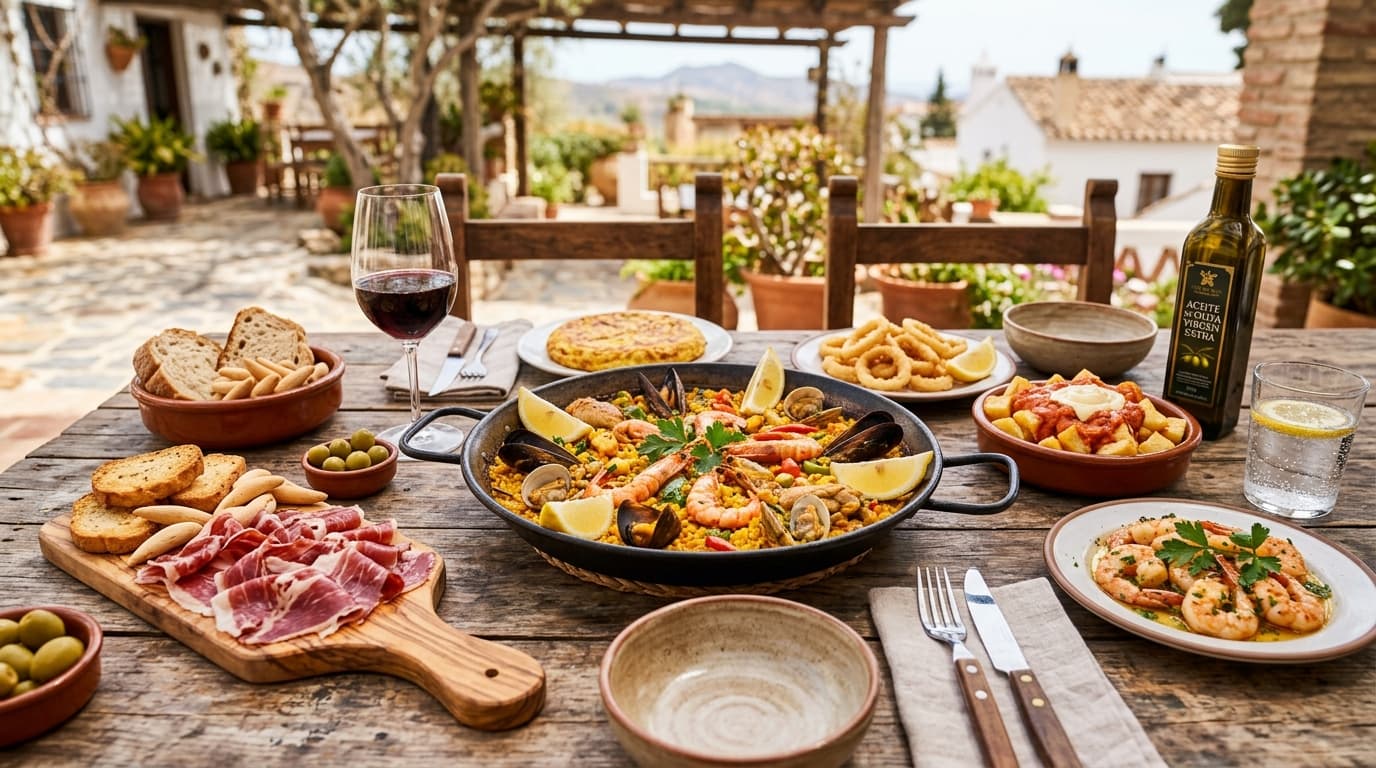
Tapas are small dishes meant for sharing, and they are the heart of Spanish dining culture. In cities like Granada and parts of Andalusia, you still get a free tapa with every drink order. Classic tapas include patatas bravas (fried potatoes with spicy sauce), tortilla espanola (potato omelette), jamon iberico (cured ham), and croquetas (creamy bechamel fritters). The best tapas bars are often standing-room only, with locals gathered around the bar.
Regional Specialties
Andalusia is known for gazpacho, salmorejo (a thicker tomato soup), and fried fish. Seville and Cordoba are tapas capitals. Basque Country has pintxos -- small bites served on bread, displayed on bar counters. San Sebastian has more Michelin stars per capita than almost any city in the world. Catalonia offers dishes like escalivada (roasted vegetables), botifarra sausages, and suquet de peix (fish stew).
Valencia is the birthplace of paella, and locals are passionate about the authentic version made with chicken, rabbit, and beans -- never seafood. Galicia specializes in seafood, particularly pulpo a la gallega (octopus with paprika), percebes (barnacles), and empanadas. Castilla is famous for roast lamb (cordero asado) and cochinillo (roast suckling pig), best experienced in Segovia.
Essential Dishes to Try
- Jamon Iberico: Spain's famous cured ham, ranging from affordable jamon serrano to prized acorn-fed jamon iberico de bellota
- Paella: Best in Valencia, where it originated as a humble rice dish
- Tortilla Espanola: The iconic potato and egg omelette, served in every bar
- Gazpacho: Cold tomato soup, perfect in summer
- Churros con Chocolate: Fried dough sticks dipped in thick hot chocolate, a classic breakfast
- Pimientos de Padron: Small green peppers fried in olive oil, most mild but the occasional hot one keeps things exciting
Meal Times
Spanish meal times are famously late. Breakfast is light, often just coffee and toast. Lunch is the main meal, served between 2 and 4 PM. Many restaurants offer a menu del dia at lunch, which includes a starter, main course, dessert, and drink for 12 to 18 EUR. Dinner rarely starts before 9 PM and can extend past midnight.
Market Culture
Spain's covered markets are culinary treasures. Madrid's Mercado de San Miguel and Mercado de San Anton, Barcelona's La Boqueria, Valencia's Mercado Central, and Malaga's Mercado de Atarazanas all offer fresh produce, prepared foods, and an authentic glimpse into daily Spanish life.
Tips for Food Lovers
Seek out neighborhood bars away from major tourist landmarks for the best quality and value. Learn a few Spanish food terms to navigate menus. Do not skip the olive oil -- Spain is the world's largest producer and the quality is extraordinary. Finally, embrace the Spanish pace of dining. Meals are meant to be enjoyed slowly, with conversation and perhaps a post-lunch siesta.

Go2Spain Editorial Team
Based in Spain since 2020 | All 13 regions visited | Updated monthly
We are a team of travel writers and Spain enthusiasts who explore the country year-round. Our guides are based on first-hand experience, local knowledge, and verified official sources.
More about us →People Also Read
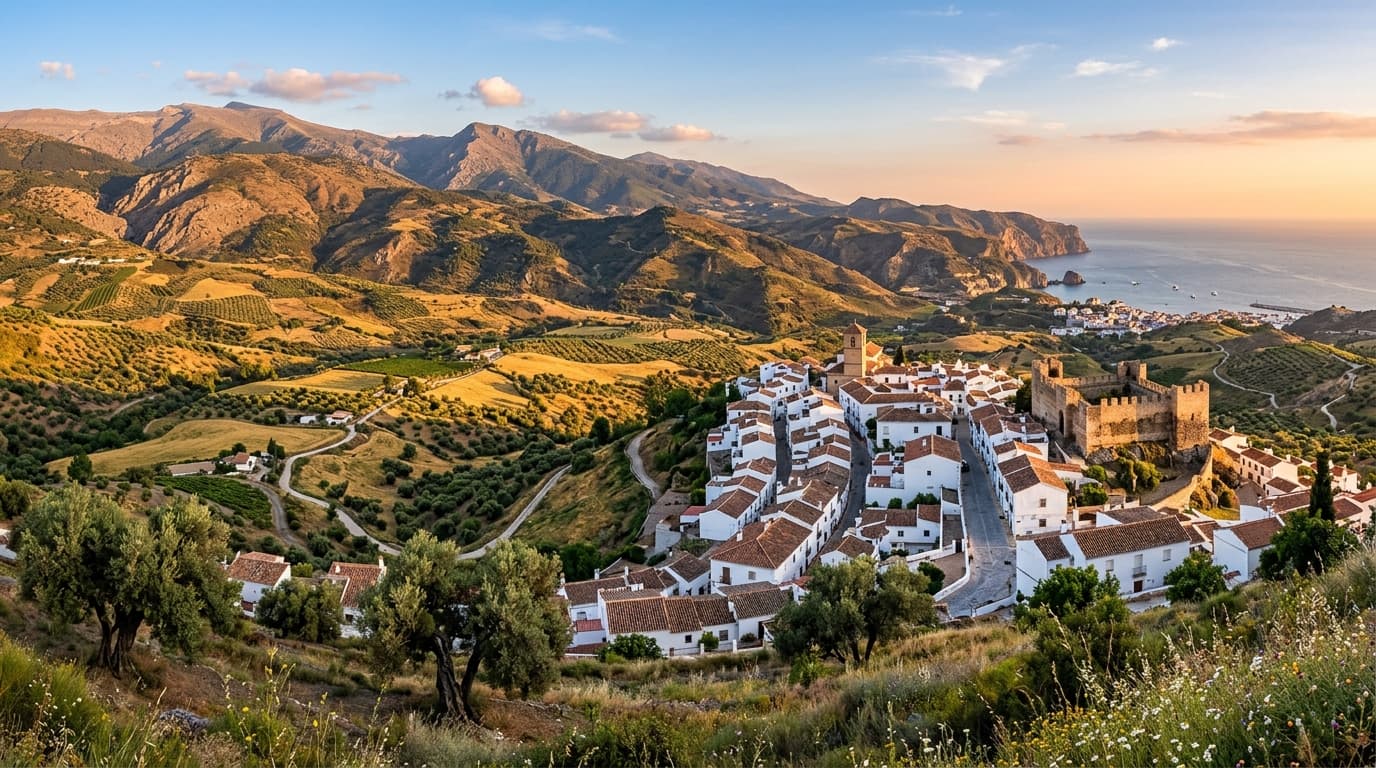
Two Weeks in Southern Spain: Region by Region
Explore southern Spain in 14 days: Seville, Granada, Costa del Sol & more. Regional guides, activities, stays & insider tips from locals.
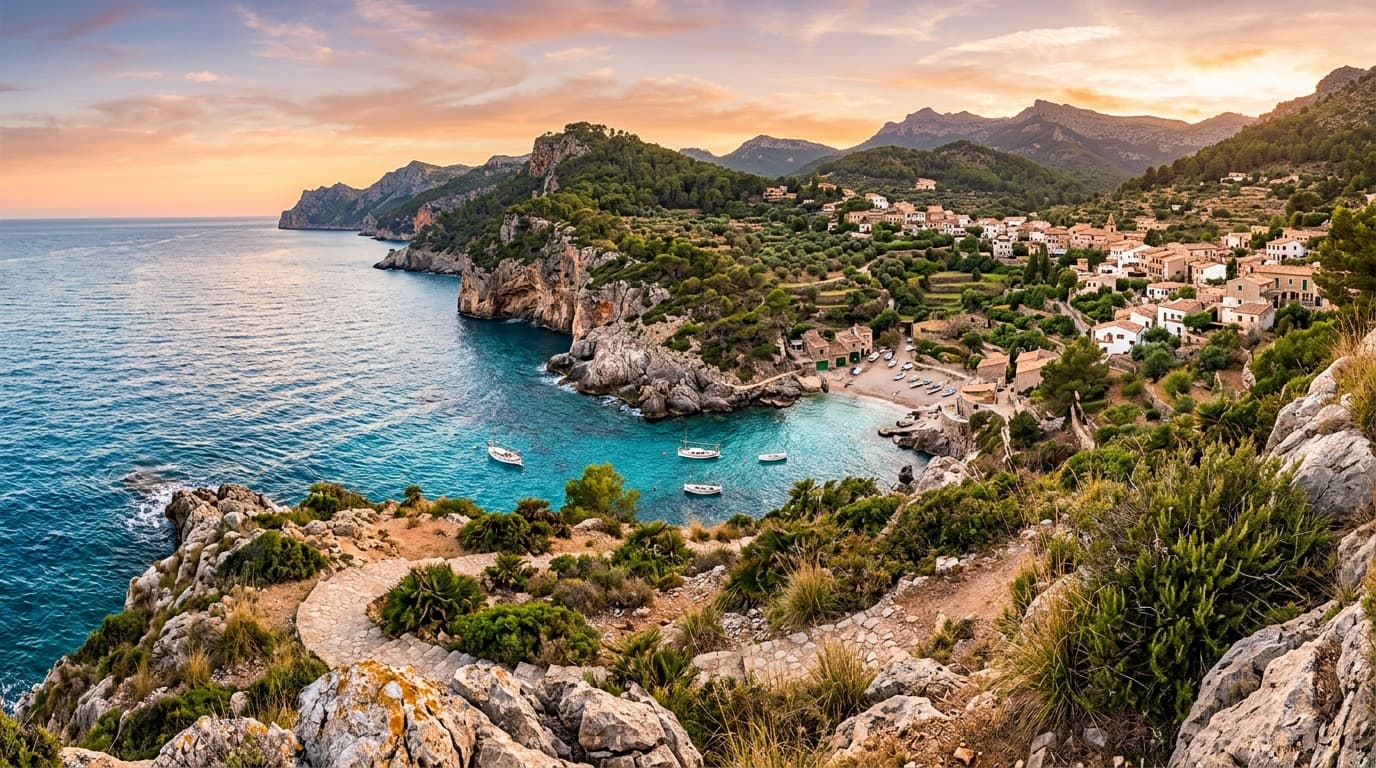
The Balearic Islands: Spain's Mediterranean Gems — A Complete Island-by-Island Guide
Explore Spain's Balearic Islands: Mallorca, Ibiza, Menorca & Formentera. Landscapes, villages, activities, accommodation & insider tips from our team.