
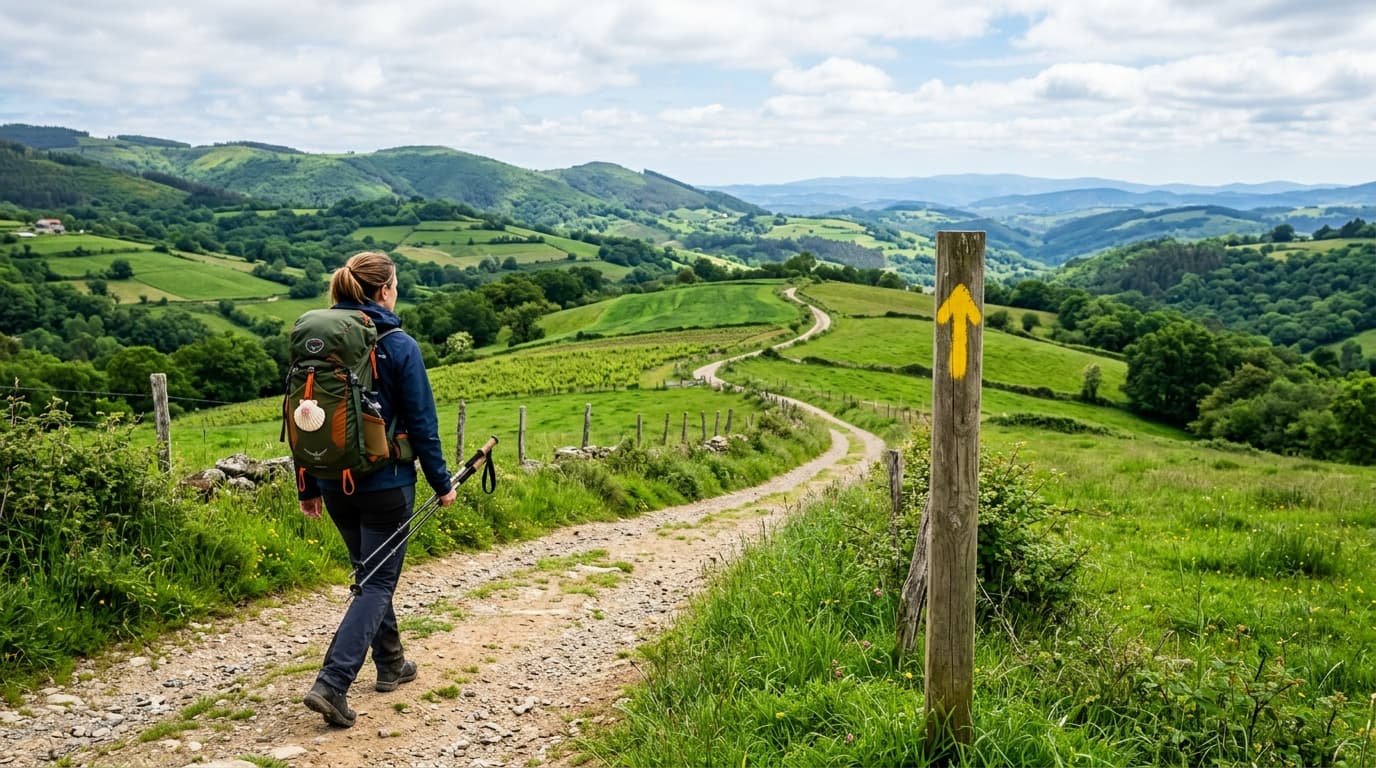
Camino de Santiago for Beginners: Everything You Need to Know
The Camino de Santiago is one of the world's most famous pilgrimage routes, attracting over 400,000 walkers annually. Whether your motivation is spiritual, athletic, or simply adventurous, the Camino offers a transformative experience through some of Spain's most beautiful landscapes.
Choosing Your Route
The Camino Frances (French Way) is the most popular route, running 780 km from Saint-Jean-Pied-de-Port in France to Santiago de Compostela. It takes approximately 30-35 days and offers the most infrastructure, with abundant albergues (pilgrim hostels), restaurants, and fellow pilgrims.
The Camino Portugues from Lisbon or Porto is the second most popular, with the Portuguese Coastal route being particularly scenic. The Camino del Norte follows Spain's northern coast, offering dramatic ocean scenery but more challenging terrain. The Via de la Plata from Seville is longer and less crowded, crossing through Extremadura and Castilla y Leon.
When to Go
May, June, and September are the ideal months, offering warm weather without the intense July-August heat. Spring brings wildflowers and green landscapes, while autumn offers pleasant temperatures and stunning colors. July and August are the busiest months, and albergues can fill up quickly. Winter walking is possible but cold and some facilities close.
Physical Preparation
You do not need to be an elite athlete, but physical preparation is important. Start training at least two months before your departure. Walk regularly with your backpack, gradually increasing distance. Aim to comfortably walk 20-25 km per day before you depart. Break in your boots thoroughly -- blisters are the most common issue on the Camino.
What to Pack
Pack light. Your backpack should weigh no more than 10% of your body weight. Essentials include: two sets of quick-dry clothing, a rain jacket, broken-in walking boots or trail shoes, a sleeping bag liner, blister care supplies, sunscreen, a hat, a water bottle, and your pilgrim credential (passport). You can buy anything you forget along the way.
Accommodation
Municipal albergues charge 6-12 EUR per night for a bunk bed in a shared dormitory. They operate on a first-come, first-served basis and are reserved for pilgrims. Private albergues cost 12-25 EUR and can be booked in advance. Small hotels and guesthouses along the route offer private rooms from 30-60 EUR for those wanting more comfort.
The Pilgrim Credential
Obtain your credential (pilgrim passport) at your starting point or from a Camino association in your home country. Get it stamped at least twice daily at albergues, churches, or bars. To receive the Compostela certificate in Santiago, you need stamps covering at least the last 100 km walked or 200 km cycled.
Budget
The Camino can be done for as little as 25-35 EUR per day using municipal albergues and cooking your own meals. A comfortable budget of 40-60 EUR per day covers private albergues, restaurant meals, and the occasional coffee stop. The experience itself is essentially free -- no entrance fees, no guided tours, just walking.
The Camino is more than a hike. It is a community, a meditation, and an adventure that stays with you long after you return home.
Go2Spain Editorial Team
Based in Spain since 2020 | All 13 regions visited | Updated monthly
We are a team of travel writers and Spain enthusiasts who explore the country year-round. Our guides are based on first-hand experience, local knowledge, and verified official sources.
More about us →People Also Read
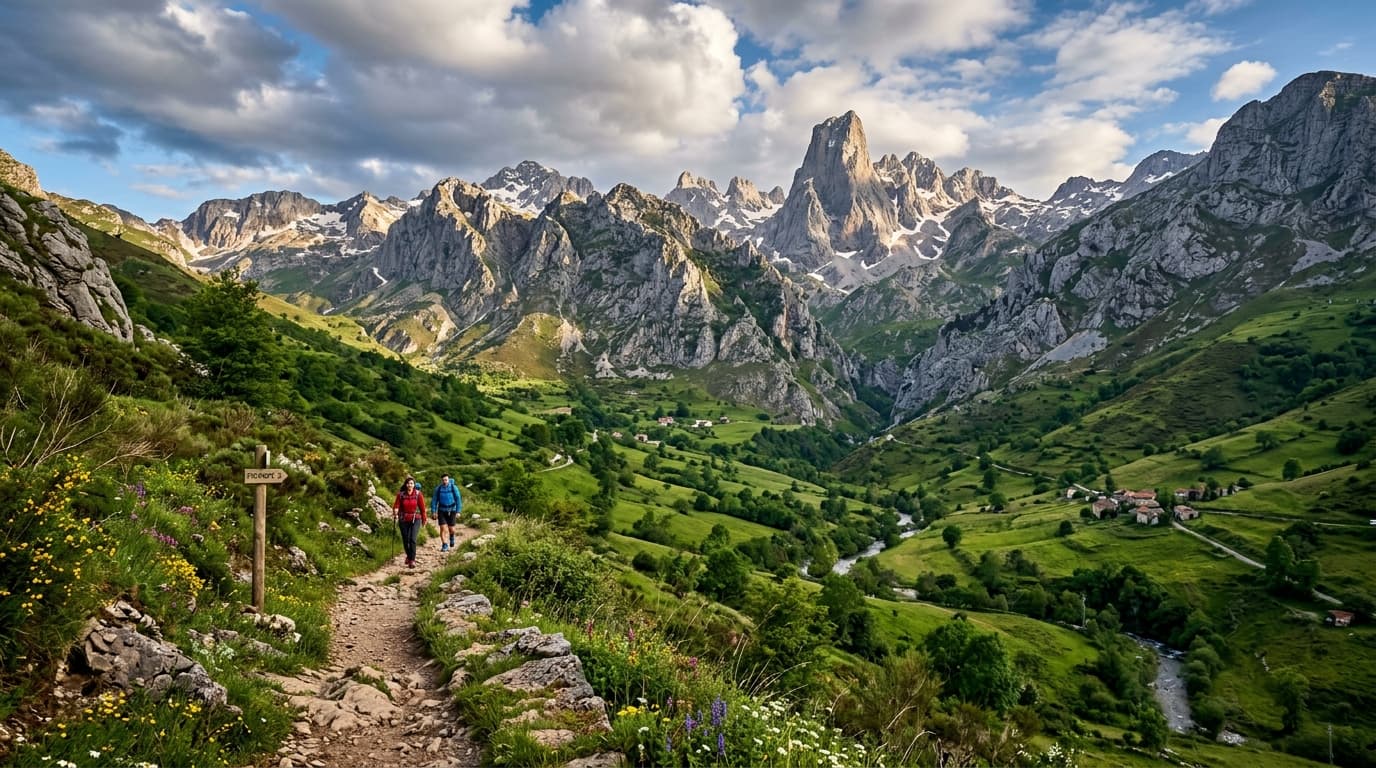
Best Hiking Trails in Spain: From Mountains to Coast
Spain offers world-class hiking from the Pyrenees to the Canary Islands. Discover the best trails for every skill level.

Spain Weather Guide: Seasons, Packing and Regional Differences
Complete guide to Spain's weather by season and region. Learn what to pack, best travel times, and how climate varies from coast to mountains.

Spain eSIM and Internet Guide for Travelers: Complete 2026 Connectivity Guide
Complete guide to staying connected in Spain: eSIM options, local SIM cards, WiFi, pricing, and step-by-step setup instructions for 2026.

Spain Island Hopping Guide: Routes, Costs and Tips
Complete Spain island hopping guide with routes, costs, accommodation, and insider tips for Balearics and Canaries.