
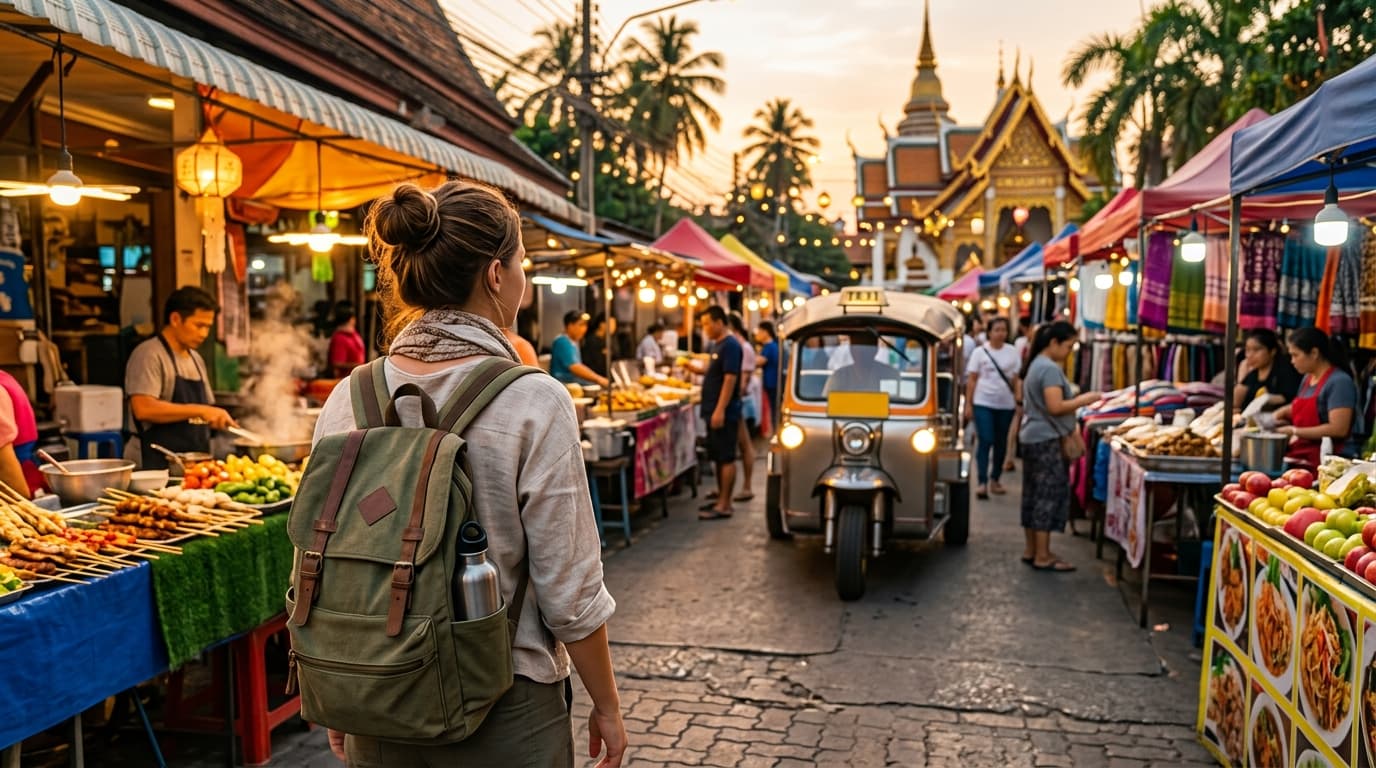
You can absolutely travel through Spain on a budget without sacrificing the authentic experience that makes this country unforgettable. From the tapas bars of Seville to the beaches of the Balearic Islands, Spain offers world-class experiences at a fraction of the cost of other Western European destinations. The key isn't cutting corners—it's knowing exactly where your euros stretch furthest and where a strategic splurge transforms your trip.
Key Takeaways
| Question | Answer |
|---|---|
| What is the best time to visit on a budget? | April-May and September-October offer lower prices than summer and fewer crowds than winter |
| How much does it cost per day? | €40-60 (USD $43-65) for budget travelers; €80-120 (USD $87-130) for mid-range comfort |
| Where is Spain cheapest? | Andalusia, Galicia, and inland regions cost 20-30% less than Barcelona and Madrid |
| Is it safe to travel cheaply? | Yes—budget accommodations and public transport are safe and reliable across Spain |
| What should I book in advance? | Long-distance trains, major museum tickets, and accommodation during shoulder season |
1. Understanding Spain's True Cost of Living
Spain is genuinely affordable compared to Northern Europe, but prices vary dramatically by region and season. When we analyzed travel costs across Spain, we found that a meal in a small-town restaurant costs 40% less than in Barcelona's Gothic Quarter, and accommodation in Granada runs €15-20 cheaper per night than Madrid's city center. The misconception that Spain is expensive stems from travelers spending all their time in major tourist hubs.
The currency is the euro (EUR), with €1 roughly equal to USD $1.08-1.10 (rates fluctuate). For budget planning, think in euros: a coffee costs €1.50-2.50, a menu del día (three-course lunch) runs €10-15, and a basic hostel bed is €20-35. The real savings come from understanding regional price variations and traveling during shoulder seasons.
Regional Price Differences
Andalusia and Galicia are Spain's budget champions. In cities like Córdoba, Jaén, and smaller towns in Galicia, you'll find three-course meals for €8-12 and double rooms in family-run hotels for €35-50. Our team spent time in these regions and consistently found better value than in Catalonia or Madrid. The trade-off? Fewer English speakers and less tourist infrastructure—but that's often where the most authentic Spain lives.
Barcelona, Madrid, and the Balearic Islands are the expensive tier. A basic hostel bed in Barcelona runs €30-40, a menu del día costs €13-16, and tourist-trap restaurants charge €18-25 for a main course. If you're visiting these cities, budget 30-40% more than you would in Seville or Salamanca.
Seasonal Price Swings
Peak summer (July-August) sees prices jump 25-35% across accommodation and activities. A €25 hostel becomes €35-40, and restaurant prices creep up. Shoulder seasons (April-May, September-October) offer the sweet spot: prices are 10-20% lower than summer, weather is ideal, and crowds are manageable. Winter (November-February) is cheapest for accommodation but brings rain, shorter daylight, and some regional closures.
Did You Know? Spain welcomed over 28 million international visitors in 2022, but most concentrate in just five cities—meaning rural and secondary destinations remain genuinely affordable and less crowded.
Source: Lonely Planet Spain
2. Accommodation: The Biggest Budget Decision
Accommodation typically consumes 30-40% of a budget traveler's daily spend. The good news: Spain offers exceptional value across all categories, from €15-a-night dorm beds to €60-a-night mid-range hotels that would cost double in France or Germany.
Hostels vs. Budget Hotels vs. Airbnb
Hostels are your cheapest option at €18-35 per night for a dorm bed. Quality varies wildly—some are social hubs with free walking tours and communal kitchens; others are sterile warehouses. Our research found that hostels in secondary cities (Granada, Salamanca, Málaga) offer better value and atmosphere than those in Barcelona or Madrid. Private rooms in hostels run €40-60, often cheaper than a budget hotel.
Budget hotels (€35-65 per night) offer privacy, a private bathroom, and usually a simple breakfast. These are often family-run establishments in residential neighborhoods, not tourist centers. You'll find clean, comfortable rooms with decent beds—not luxury, but reliable. In Andalusia, €40-50 gets you a solid two-star hotel; in Barcelona, the same budget buys a hostel dorm.
Airbnb and vacation rentals can be budget-friendly if you're staying 4+ nights and splitting costs with travel companions. A one-bedroom apartment in Valencia or Córdoba runs €35-50 per night; in Barcelona, expect €60-90. The advantage: kitchen access saves money on meals.
3. Food: Where to Eat Like a Local and Save Money
Spanish food culture is built for budget travelers. The menu del día (daily set menu) is your secret weapon: a three-course lunch with wine or water for €10-15 in most regions, €15-18 in major cities. This isn't tourist food—locals eat these menus every day.
The Menu del Día Strategy
A typical menu del día includes a starter (soup, salad, or appetizer), a main course (meat, fish, or vegetarian), a dessert (fruit, yogurt, or flan), and bread and wine or water. It's offered Monday-Friday at lunch (1-3 PM) and sometimes at dinner. When we traveled through Seville and Granada, we ate three-course meals for €11-12 at restaurants where dinner à la carte would cost €25-30.
Where to find them: Look for restaurants with "Menú del Día" posted outside, ask locals, or check Google Maps for "menú del día near me." Avoid tourist-heavy plazas; walk one block inland and prices drop 30-40%.
Tapas and Street Food
Tapas are small plates (€2-5 each) traditionally served free with a drink in some regions, especially Andalusia. In Granada and Córdoba, order a beer or wine and receive complimentary tapas—sometimes substantial enough for a light meal. This tradition is fading in touristy areas but thrives in working-class neighborhoods. Budget €15-20 for a satisfying tapas dinner with drinks.
Churros and café con leche (coffee with milk) cost €1.50-3 for breakfast—filling and authentic. Bocadillos (sandwiches) run €3-6 and are perfect for lunch. Jamón ibérico (Iberian ham) is expensive at restaurants (€12-18 per plate) but affordable at markets (€8-12 for quality slices).
Market Shopping and Self-Catering
Spain's mercados (markets) are treasure troves for budget travelers. Fresh produce, cheese, cured meats, and prepared foods cost 40-50% less than restaurants. A market lunch—fresh bread, jamón, cheese, fruit, and wine—costs €6-10 and tastes better than most restaurant meals. Our team spent mornings at local markets in Madrid and Barcelona, assembling picnics that beat tourist restaurants on both cost and quality.
Supermarkets like Mercadona and Carrefour are ubiquitous. A rotisserie chicken costs €6-8, ready-made salads are €3-5, and wine starts at €3-4. For self-catering travelers, this cuts meal costs to €8-12 per day.
Did You Know? Spain produces over 45% of the world's olive oil, making it one of the cheapest places on Earth to buy quality olive oil—often €4-6 per liter at markets.
Source: The Local Spain
4. Transportation: Getting Around Without Breaking the Bank
Public transport in Spain is excellent and cheap. Buses, metros, and trains connect every corner of the country affordably. The key is understanding regional passes and avoiding taxis and tourist shuttles.
Within Cities: Metro and Bus Passes
Most Spanish cities offer 10-journey passes or monthly passes that cut transport costs in half compared to single tickets. In Madrid, a 10-journey metro pass costs €12.35 (€1.24 per journey vs. €1.50 for a single ticket). Barcelona's T-10 pass is €11.35. These passes are sold at metro stations and work on all public transport. A week of daily commuting costs €8-12 instead of €15-20.
Walking is free and often the best way to explore Spanish cities. Most historic centers are compact and pedestrian-friendly.
Between Cities: Trains and Buses
Long-distance buses are Spain's budget transport champions. Companies like FlixBus and Alsa offer routes between major cities at €5-20 depending on distance. A Madrid-Barcelona bus costs €15-25 (vs. €30-50 for a train). Buses are slower (8-10 hours vs. 2.5 hours by train) but save significant money. Book 1-2 weeks in advance for the best prices.
Trains are faster but pricier. A standard Madrid-Barcelona train costs €40-80; high-speed AVE trains cost €60-120. However, advance bookings (2-4 weeks) and off-peak travel drop prices 30-50%. The Renfe Avant fare is Spain's budget train option, offering €15-30 tickets on select routes if booked early.
Regional Transport Passes
If you're spending 5+ days in one region, consider a regional rail pass. Andalusia's Bono Tren offers 10 train journeys within the region for €60-80. Catalonia's T-casual pass covers 10 journeys on regional trains for €55. These save money only if you're making multiple regional trips.
5. Museums and Attractions: Free Hours and Strategic Splurges
Spain's major museums and monuments are expensive (€12-18 per entry), but many offer free entry hours. The Prado Museum in Madrid, Sagrada Familia in Barcelona, and Alhambra in Granada are pricey, but strategic timing saves money.
Free Museum Hours
Most Spanish museums offer free entry during specific hours:
- Prado Museum (Madrid): Free 6-8 PM Monday-Saturday, 5-7 PM Sunday
- Reina Sofía Museum (Madrid): Free 7-9 PM Monday-Saturday, 4-6 PM Sunday
- Picasso Museum (Barcelona): Free 5-8 PM Thursday
- Many regional museums: Free 2-4 PM on Sundays
Plan your museum visits around these windows. Arrive early, bring water, and be prepared for crowds. This strategy cuts museum costs from €40-60 per day to €0-15.
Where to Splurge: Experiences Over Monuments
Rather than paying €18 to climb the Sagrada Familia, consider a flamenco show (€25-40) or a cooking class (€45-60). These experiences create memories that monuments don't. A tapas tour in Seville (€35-50) teaches you about local food culture while you eat—better value than a museum entry.
Our team found that experiences—especially food-related ones—offer better value and authenticity than major attractions. A €40 paella cooking class beats a €15 museum entry because you learn a skill, eat well, and meet locals.
Budget-Friendly Attractions
Walking tours (free to €10 tip-based) cover city history and hidden neighborhoods. Parks like Park Güell (€10 if you skip the main terraces and explore the free outer areas) and countless public plazas cost nothing. Beaches are always free. Hiking in regions like Galicia and the Basque Country costs nothing and offers stunning scenery.
6. Sample Daily Budgets by Region and Travel Style
Here's what real daily spending looks like across Spain:
Budget Traveler (€40-50/day)
Accommodation: €20-25 (hostel dorm) Food: €12-15 (menu del día lunch, market dinner, café breakfast) Transport: €3-5 (local metro pass) Activities: €5-10 (free walking tour tip, free museum hour) Total: €40-55
Best for: Hostels, public transport, markets, free attractions. Realistic in Andalusia, Galicia, and inland regions.
Mid-Range Traveler (€80-100/day)
Accommodation: €45-55 (budget hotel or private hostel room) Food: €25-30 (mix of menu del día and restaurant dinners) Transport: €5-8 (regional trains, local transport) Activities: €15-20 (paid museum entries, guided tours) Total: €90-113
Best for: Private rooms, restaurant meals, paid attractions. Comfortable without luxury. Realistic across all regions.
Comfortable Traveler (€120-150/day)
Accommodation: €65-80 (mid-range hotel) Food: €35-45 (restaurant meals, some tapas bars) Transport: €10-15 (trains, taxis occasionally) Activities: €20-30 (paid tours, premium experiences) Total: €130-170
Best for: Private hotels, restaurant meals, paid attractions, occasional splurges. Realistic in Barcelona, Madrid, and coastal areas.
| Budget Level | Daily Budget (EUR) | Daily Budget (USD) | Best Regions | Accommodation Type |
|---|---|---|---|---|
| Ultra-Budget | €35-45 | $38-49 | Andalusia, Galicia, Castile | Hostel dorms |
| Budget | €50-70 | $54-76 | Secondary cities nationwide | Hostel private rooms, budget hotels |
| Mid-Range | €80-120 | $87-130 | All regions | 2-3 star hotels, Airbnb |
| Comfortable | €130-180 | $141-195 | All regions | 3-4 star hotels, restaurants |
7. Regional Cost Breakdown: Where Money Goes Furthest
Andalusia (Seville, Granada, Córdoba, Málaga)
Andalusia is Spain's budget champion. A hostel dorm costs €18-25, a menu del día is €10-12, and regional buses cost €5-10. A week here costs 20-30% less than Barcelona. The region offers world-class attractions (Alhambra, Alcázar of Seville, Mezquita of Córdoba) at lower prices than elsewhere. During our time in Granada, we ate well, stayed comfortably, and explored extensively for €45-55 per day.
Galicia (Santiago de Compostela, Vigo)
Galicia rivals Andalusia for value. Seafood is cheap and exceptional, accommodation is affordable, and the region is less touristy. A menu del día in Galicia often includes fresh fish and local wine for €11-13. The Camino de Santiago pilgrimage route offers budget-friendly albergues (pilgrim hostels) for €8-15 per night. Galicia's Atlantic coast is stunning and costs a fraction of the Mediterranean.
Castile (Madrid, Toledo, Salamanca, Segovia)
Central Spain offers moderate prices. Madrid is expensive (€30-40 hostels, €15-18 menu del día), but Toledo and Salamanca are cheaper (€20-28 hostels, €11-14 menu del día). Toledo is a day trip from Madrid; Salamanca is a charming university town worth 2-3 days. Both offer medieval architecture and local atmosphere at lower prices than Barcelona.
Catalonia (Barcelona)
Barcelona is Spain's most expensive city. Hostels run €30-40, menu del día costs €14-17, and tourist restaurants charge €18-25 for mains. However, Barcelona is worth visiting—the architecture, beaches, and food scene are world-class. Budget €80-100 per day here, or visit for 2-3 days and spend more time in cheaper regions. The Sagrada Familia and Park Güell are expensive (€18-20 each) but iconic.
Balearic Islands (Mallorca, Ibiza, Menorca)
Islands are expensive. Accommodation costs 30-40% more than mainland Spain, and food prices are similarly inflated. However, Mallorca and Menorca offer better value than Ibiza, which caters to party tourists. If visiting islands, budget €100-130 per day and stay in secondary towns, not resort areas.
8. Money-Saving Hacks and Common Tourist Traps
Proven Money-Saving Strategies
Eat lunch as your main meal. The menu del día is only offered at lunch (1-3 PM). Eat your biggest meal then, snack at dinner. This alone saves €10-15 daily.
Skip major attractions in peak hours. Visit museums during free hours or arrive at 9 AM opening to avoid crowds and queues. Or skip famous monuments entirely and explore lesser-known sites—often more rewarding and always cheaper.
Use public transport passes. A 10-journey metro pass saves €2-3 per journey. Over a week, that's €15-20.
Buy groceries, not restaurant meals. A supermarket rotisserie chicken, bread, and salad costs €8; a restaurant meal costs €15-20.
Travel by bus, not train. A €15 bus journey saves €30-50 compared to a train, even if it takes longer.
Stay in secondary cities. Granada costs 30% less than Barcelona; Córdoba costs 40% less. Spend 1-2 days in major cities, the rest in smaller towns.
Tourist Traps to Avoid
Restaurants on major plazas. A menu del día on Plaza Mayor in Madrid costs €18-22 instead of €12-14 one block away. Same food, triple the price.
Airport transport. Taxis from airports cost €25-40; public buses cost €3-6. Always use buses or trains from airports.
Fake flamenco shows. Tourist-trap flamenco in Barcelona costs €40-60 for mediocre performances. Authentic flamenco in Seville or Granada costs €25-35 and is genuinely moving.
Overpriced tourist menus. "Tourist menu" signs indicate inflated prices. Eat where locals eat—ask your hostel staff or check Google Maps reviews.
Guided tours in major cities. A €25 "free" walking tour (tip-based) often covers the same ground as a €40 paid tour. Free walking tours are good value if you tip €5-10.
9. Transportation Between Spain and Beyond
Flights to Spain
Spain's major airports are Madrid-Barajas, Barcelona-El Prat, and Málaga. Budget airlines like Ryanair and EasyJet offer flights from other European cities for €20-60 if booked 4-8 weeks in advance. Booking directly with airlines or checking Google Flights for price alerts saves money.
Getting Around Spain
Buses are cheapest for long distances. Trains are faster but pricier. Flights between distant regions (Barcelona to Málaga) cost €40-80 and might be faster than a 12-hour bus, but only if you factor in time value. For most travelers, buses and trains are sufficient.
eSIM and Staying Connected
A Spanish SIM card from Vodafone, Orange, or Movistar costs €10-20 with data. An eSIM is convenient if your phone supports it. Budget €15-30 for a month of data. Free WiFi is available at most hostels, cafés, and public spaces.
10. Creating Your Personal Budget Plan
Every traveler is different. A solo backpacker's budget differs from a couple's, which differs from a family's. Here's how to create your realistic budget:
Step 1: Choose Your Daily Budget
Be honest about comfort level. Budget travelers accept shared bathrooms and hostels; mid-range travelers want private rooms; comfortable travelers want hotels and restaurants. Pick your tier and stick to it.
Step 2: Choose Your Regions
Andalusia and Galicia are cheapest; Barcelona and Madrid are most expensive. Allocate more budget days to expensive regions, fewer to cheap ones. A 14-day trip might be: 3 days Madrid (€90/day), 3 days Barcelona (€85/day), 4 days Andalusia (€50/day), 4 days Galicia (€50/day) = €815 total.
Step 3: Book Strategically
Accommodation: Book 2-4 weeks in advance for shoulder season, 4-8 weeks for summer. Last-minute bookings are expensive.
Trains: Book 2-4 weeks ahead for discounts. Buses are cheaper and don't require advance booking.
Museums: Plan free hours into your itinerary. Buy combo tickets if available (Barcelona offers a combined Sagrada Familia + Park Güell ticket).
Step 4: Build in Flexibility
Budget 10% extra for unexpected meals, activities, or transport changes. A €50/day budget becomes €55/day with buffer. This prevents stress when you discover a great restaurant or want to take a spontaneous day trip.
Did You Know? Spain's public transport system is one of Europe's most efficient and affordable, with integrated metro, bus, and train networks in every major city. A single metro card works across all transport modes in most cities.
Source: Lonely Planet Spain
Frequently Asked Questions
How much money should I bring to Spain for two weeks?
For two weeks, budget €700-1,000 (USD $760-1,090) for budget travel, €1,120-1,680 (USD $1,218-1,830) for mid-range, or €1,820-2,520 (USD $1,988-2,750) for comfortable travel. These figures include accommodation, food, transport, and activities. Add €200-300 for flights within Europe and travel insurance.
Is it cheaper to visit Spain in winter?
Yes—winter (November-February) offers 20-30% cheaper accommodation and fewer crowds. However, some attractions have reduced hours, weather is unpredictable, and daylight is limited. Shoulder seasons (April-May, September-October) offer the best balance of low prices and good weather.
Can I travel Spain for €50 per day?
Yes, but only if you're disciplined. Stay in hostel dorms (€20-25), eat menu del día lunches and market dinners (€12-15), use public transport (€3-5), and visit free attractions (€5-10). This requires avoiding major cities and tourist traps. Read our detailed €50 per day budget travel guide for strategies.
What's the cheapest region in Spain?
Andalusia and Galicia are cheapest, with costs 20-40% lower than Barcelona and Madrid. Inland regions like Castile and Extremadura are also affordable. Coastal tourist areas and islands are most expensive.
Should I buy a rail pass for Spain?
Rail passes (like Eurail) are rarely worth it unless you're making 4+ long-distance train journeys. Individual bus and train tickets, booked in advance, are usually cheaper. Calculate your specific itinerary before buying a pass.
How much does food cost in Spain?
A menu del día costs €10-15, a café breakfast €2-4, a market meal €6-10, and a restaurant dinner €15-25. Budget €12-20 daily for food if you eat menu del día at lunch and cook or eat markets at dinner; €25-35 if you eat restaurant meals twice daily.
Is travel insurance necessary?
Yes. European travel insurance costs €15-30 for two weeks and covers medical emergencies, trip cancellations, and lost luggage. Many credit cards offer limited coverage, but dedicated travel insurance is more comprehensive. Check travel insurance options before booking.
Conclusion
Spain on a budget is not just possible—it's genuinely enjoyable. The country's excellent public transport, affordable food culture, and regional price variations make it one of Europe's best destinations for budget travelers. The key is understanding where to save (accommodation in secondary cities, menu del día lunches, public transport) and where to splurge (experiences over monuments, regional specialties, strategic museum visits).
Start with our comprehensive Spain travel guide to plan your regions, then use this budget breakdown to allocate your money wisely. Andalusia and Galicia offer exceptional value; Barcelona and Madrid require larger budgets but are worth visiting briefly. Travel during shoulder seasons (April-May, September-October) for the best combination of low prices and good weather.
Most importantly, remember that budget travel isn't about deprivation—it's about prioritizing experiences over luxury. A €12 menu del día shared with locals in a Granada restaurant beats a €35 tourist meal in Barcelona. A free walking tour of Seville's neighborhoods beats a paid museum entry. Spain rewards curious, flexible travelers with unforgettable experiences at prices that won't drain your bank account.
We may earn a small commission from bookings made through our links, at no extra cost to you. This helps us keep creating free travel guides.
For more detailed regional advice, explore our city guides and regional guides to customize your budget plan for your specific itinerary.
Sources & References
Cet article est base sur une experience directe et verifie avec les sources officielles suivantes:

Go2Spain Team
Based in Spain since 2020 | All 13 regions visited | Updated monthly
We are a team of travel writers and Spain enthusiasts who explore the country year-round. Our guides are based on first-hand experience, local knowledge, and verified official sources.
More about us →A lire aussi

How Much Does Spain Cost? Budget vs Comfort Travel in 2026
Complete guide to Spain travel costs with real prices in EUR and USD. Compare budget vs comfort travel with sample day budgets and money-saving tips.
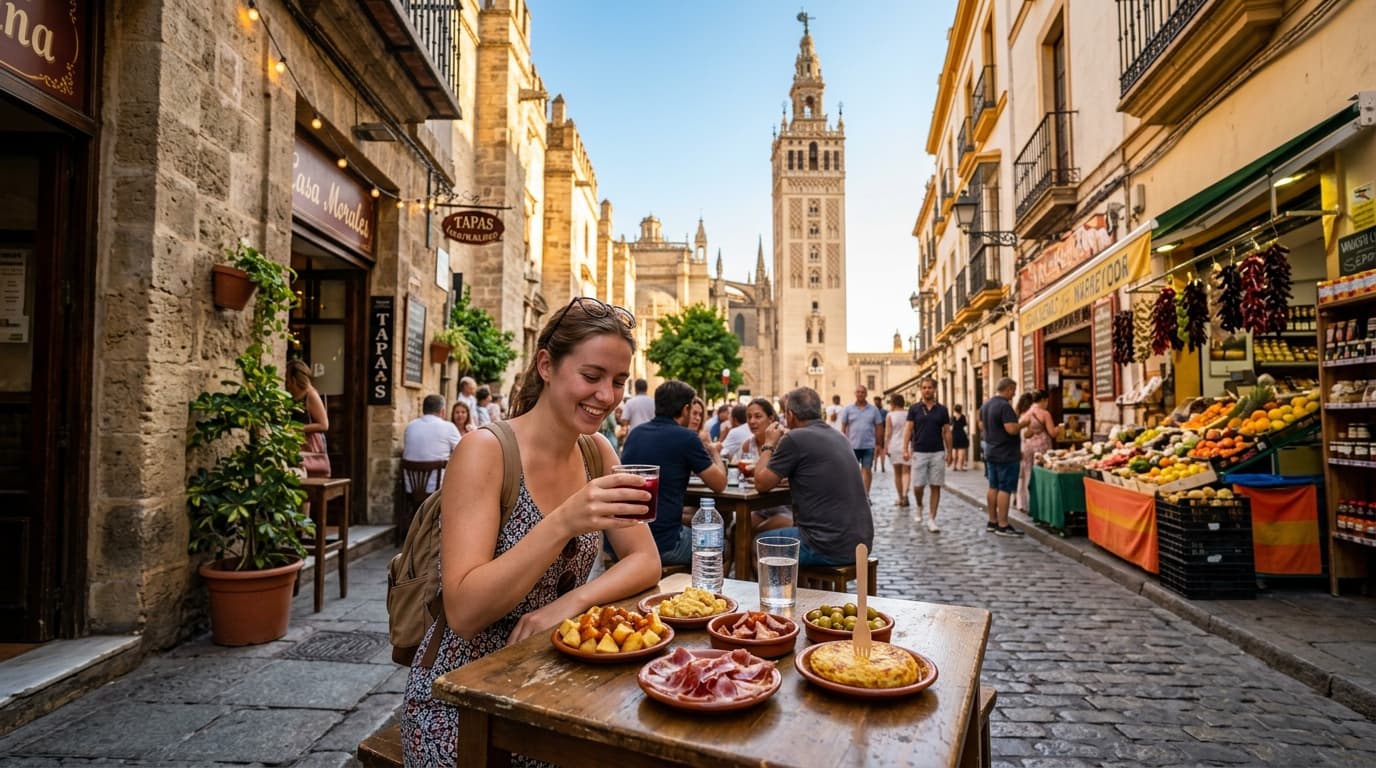
Spain on 50 EUR Per Day: A Realistic Budget Travel Guide
Live like a local on €50/day in Spain. Real costs, sample budgets, and insider tips from our team who've done it.

Spain Food Costs: Restaurants, Markets and Budget Meals
Complete guide to Spain food costs: restaurant prices, market shopping, budget meals, and how to eat like a local without breaking the bank.

Spain Weather Guide: Seasons, Packing and Regional Differences
Complete guide to Spain's weather by season and region. Learn what to pack, best travel times, and how climate varies from coast to mountains.