
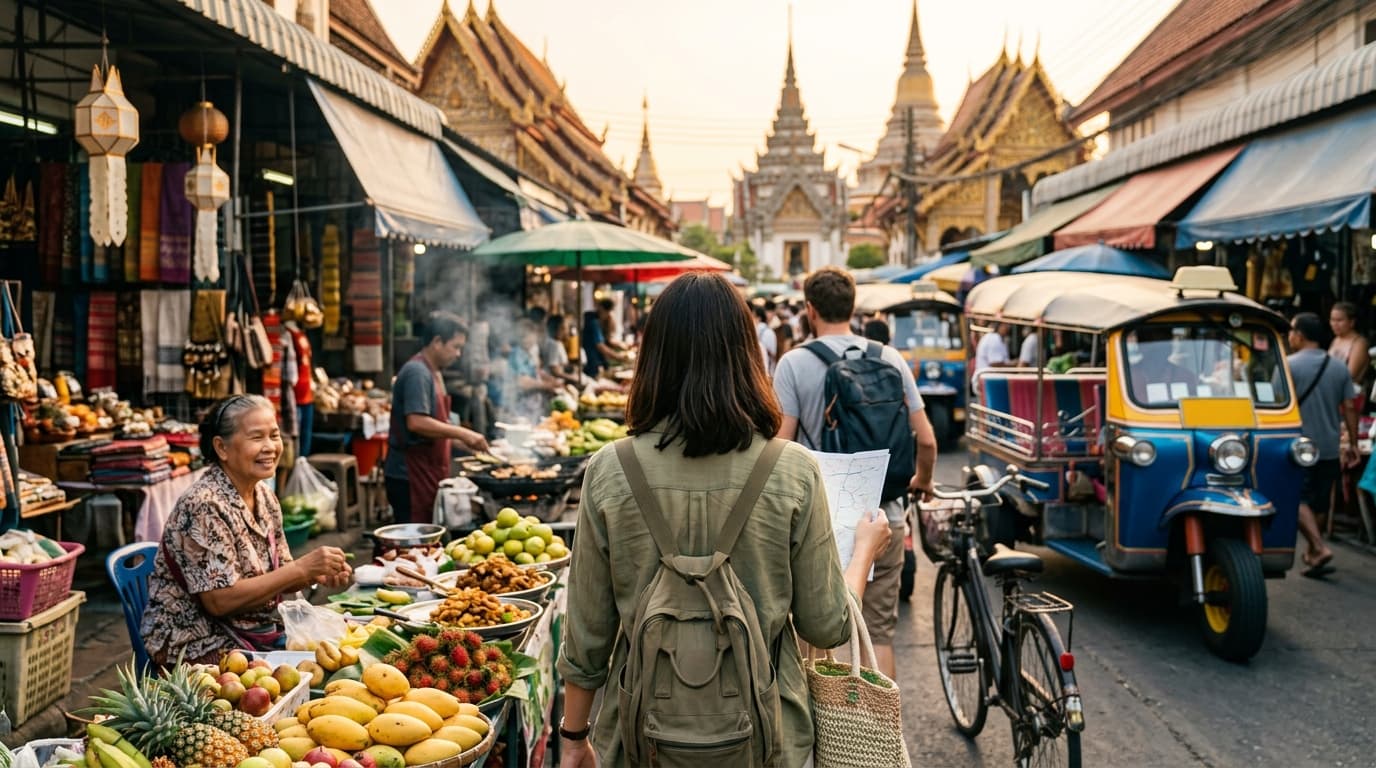
Every year, millions of travelers visit Spain to experience its vibrant cities, stunning beaches, and rich cultural heritage—but Spain travel safety requires more than just enthusiasm and a good itinerary. While Spain is generally a safe destination, petty theft in major cities, targeted tourist scams, and health considerations demand practical preparation and street-smart awareness.
Key Takeaways
| Question | Answer |
|---|---|
| Is Spain safe for tourists? | Yes, Spain is relatively safe, but petty theft in major cities like Barcelona and Madrid is common. Stay alert in crowded areas and tourist hotspots. |
| What are the most common scams? | Fake taxi meters, overpriced drinks at nightclubs, street games, and distraction theft are the primary tourist scams. Avoid unmarked taxis. |
| What health precautions should I take? | EU citizens get reciprocal healthcare with an EHIC card. Non-EU visitors should purchase travel insurance. Tap water is safe throughout Spain. |
| How do I avoid pickpocketing? | Keep valuables in front pockets, use money belts, avoid displaying expensive items, and stay aware on public transport and in crowded areas. |
| What documents do I need? | A valid passport (6+ months validity) and visa if required. EU/EEA citizens need only an ID card. Check entry requirements before traveling. |
| Is it safe to use public transport? | Yes, but watch for pickpockets on metro systems, especially during peak hours. Keep bags in front and avoid displaying phones or cameras. |
| What should I do if I'm a victim of crime? | Report to local police (Policía Nacional or Guardia Civil) immediately and get a crime report number for insurance claims. |
1. Understanding Spain's Safety Profile
Spain ranks among Europe's safer destinations for tourists, with low violent crime rates and well-developed infrastructure for visitor safety. However, this doesn't mean complacency—petty theft, particularly in major urban centers, remains a genuine concern that catches many travelers off guard.
During our team's research across Spanish cities, we observed that safety varies significantly by location and time of day. Tourist-heavy areas like Barcelona travel guide and Madrid travel guide experience higher rates of opportunistic theft, while smaller cities and rural regions feel considerably safer. The key distinction is understanding where risks concentrate and how to mitigate them.
Crime Statistics and Context
Spain's overall crime rate is lower than many other European nations. Violent crime against tourists is exceptionally rare—the vast majority of incidents involve theft of personal belongings rather than physical confrontation. According to Spain's official tourism information, millions of visitors arrive annually without incident, provided they exercise standard urban awareness.
Regional Safety Variations
Not all Spanish regions present equal risk. Coastal areas and smaller historic cities like Granada travel guide and Toledo travel guide report fewer tourist-related crimes than Barcelona or Madrid. Overnight trains and late-night public transport in major cities warrant extra caution, particularly for solo travelers.
2. Common Tourist Scams and How to Avoid Them
The most effective defense against scams is recognizing them before they happen. Spain's tourist scams are rarely sophisticated—they rely on distraction, confusion, and travelers' assumptions about fairness and honesty.
The Fake Taxi Meter Scam
Unmarked taxis (known as "piratas") operate without regulated meters and charge inflated fares, sometimes 3-5 times the legitimate rate. This is particularly common at airports and train stations where tired travelers are vulnerable. Always use official white taxis with the taxi company name and license number clearly displayed, or pre-book through your hotel. In major cities, app-based ride services offer transparent pricing and are worth the small premium for peace of mind.
Legitimate taxi rates in Madrid travel guide start at approximately €2.40 with per-kilometer charges around €1.05. Barcelona's rates are similar. If a driver refuses to use the meter or claims it's "broken," exit immediately and find another taxi.
Nightclub Drink Scams
A common scheme involves friendly locals inviting tourists to a nearby "club" where drinks are served at astronomical prices (€15-30 per beer), and the bill arrives with aggressive pressure to pay. Some venues add fake charges or claim card machines are broken, demanding cash withdrawals at nearby ATMs.
Prevention: Stick to established bars and clubs in known tourist or local neighborhoods. If invited by strangers to a venue, politely decline. Always ask for prices before ordering. Pay by card when possible and request an itemized receipt. If a bill seems unreasonable, calmly request to speak with management rather than paying under pressure.
Street Games and Shell Games
Operators set up card games, three-cup games, or dice games on streets and plazas, inviting passersby to play for money. These are rigged—you will not win. The "friendly stranger" who seems to be winning is part of the con.
Prevention: Simply walk past. No legitimate gambling occurs on public streets. If you're curious about the game, that curiosity will cost you money.
Distraction Theft and the "Helpful Stranger"
A person approaches claiming you have bird droppings, a stain, or something on your clothing. While you're distracted looking down, an accomplice steals your bag, phone, or wallet. Variations include someone "finding" a ring and offering to sell it to you, or asking for directions while a partner pickpockets you.
Prevention: Politely but firmly decline help from strangers regarding your appearance. Keep bags zipped and in front of your body. Don't accept items from strangers. Trust your instincts—if an interaction feels off, remove yourself from it.
3. Pickpocketing Prevention in Major Cities
Pickpocketing is the single most common crime affecting tourists in Spain, particularly in Barcelona, Madrid, and Valencia travel guide. Thieves operate in organized groups, often targeting crowded public transport, tourist attractions, and busy plazas.
High-Risk Locations and Times
Metro systems during rush hours (7-9 AM, 5-7 PM) are prime hunting grounds. The Barcelona metro, in particular, experiences organized pickpocketing rings. Tourist attractions like the Sagrada Familia queue, Park Güell entrance, and major museums attract thieves who know visitors carry phones, cameras, and wallets.
Our team observed that thieves often work in coordinated groups: one person creates a distraction (spilling something, blocking your path, or starting an argument nearby) while others access your pockets or bag. Street performers and beggars sometimes work in conjunction with thieves.
Practical Prevention Strategies
- Front-pocket rule: Keep phones, wallets, and valuables in front pockets or a crossbody bag worn in front of your body, never behind. Back pockets are an open invitation.
- Money belt or neck pouch: Distribute cash and cards across multiple locations. Keep emergency cash (€50-100) separate from your main wallet.
- Bag positioning: If carrying a backpack on public transport, wear it on your chest rather than your back. Keep day packs zipped and held in front.
- Avoid displaying valuables: Don't wear expensive jewelry, keep your phone out of sight when not using it, and avoid expensive camera gear in crowded areas.
- Travel insurance with coverage: Ensure your policy covers theft of personal belongings up to a reasonable limit.
4. Health Considerations and Medical Care
Spain's healthcare system is excellent and among Europe's best. However, understanding how to access care and what coverage you have is essential for peace of mind.
Healthcare Access for EU/EEA Citizens
If you hold a European Health Insurance Card (EHIC), you're entitled to reciprocal healthcare in Spain on the same terms as Spanish residents. This covers emergency care and necessary treatment but not all services. Your EHIC is not a substitute for travel insurance—it doesn't cover repatriation, non-emergency care, or private treatment.
To obtain an EHIC before traveling, apply through your home country's health authority. The card is free and typically arrives within 2-3 weeks.
Non-EU Travelers and Travel Insurance
Non-EU citizens must purchase comprehensive travel insurance that includes medical coverage, emergency evacuation, and repatriation. Spanish hospitals are excellent but expensive for uninsured patients. A single emergency room visit without insurance can cost €500-2,000. Comprehensive travel insurance typically costs €15-40 for a two-week trip and is non-negotiable.
When selecting insurance, verify coverage limits for medical evacuation (especially important if you plan to hike or engage in adventure activities), dental emergencies, and prescription medications.
Common Health Concerns
Tap water is safe throughout Spain—you can drink it directly from taps in all major cities and regions. Bottled water is widely available but unnecessary for health reasons.
Heat and dehydration: Spain experiences intense summer heat, particularly in interior regions. During July and August, temperatures regularly exceed 35°C (95°F). Carry water constantly, use high-SPF sunscreen, and take siestas during peak heat hours (1-5 PM).
Mosquitoes: Summer mosquitoes are common near water and in parks. Bring insect repellent containing DEET. Dengue fever and other mosquito-borne illnesses are rare but possible.
Pharmacies and medications: Spanish pharmacies (farmacias) are identified by a green cross and are staffed by trained pharmacists. Many medications available by prescription in other countries are available over-the-counter in Spain. Bring copies of prescriptions for regular medications, as brand names may differ.
Finding Medical Care
- Emergency (24/7): Call 112 for ambulance, police, or fire services.
- Non-emergency care: Visit a local clinic (centro de salud) or private clinic (clínica privada).
- Hospitals: Major cities have excellent public and private hospitals. Ask your hotel for the nearest facility.
- Dental care: Dental work in Spain is high-quality and significantly cheaper than in the US or UK. However, ensure your travel insurance covers dental emergencies.
5. Public Transport Safety
Spain's public transport system is extensive, modern, and generally safe, but requires vigilance regarding theft. Public transport in major cities operates 24 hours or near-24 hours, making it convenient but also creating late-night risk scenarios.
Metro and Bus Safety
Metro systems in Barcelona, Madrid, and Valencia are efficient and well-maintained, but pickpocketing is endemic during peak hours. Buses are generally safer than metro, with lower theft rates, though the same precautions apply.
Best practices:
- Travel during daylight or peak hours when possible
- Keep bags in front and zipped
- Avoid empty train cars—sit in cars with other passengers
- Don't sleep on public transport; thieves target drowsy travelers
- Use headphones cautiously—thieves sometimes cut headphone wires to steal phones
Night Travel Considerations
Late-night metro and bus travel (after 11 PM) carries higher risk. Avoid traveling alone on public transport after midnight if possible. Taxis, ride-sharing apps, or walking in groups are safer alternatives for late-night movement.
6. Accommodation and Personal Security
Choosing where you stay significantly impacts your safety experience. Budget hostels in party neighborhoods carry different risks than mid-range hotels in quieter areas.
Hostel Safety
Hostels are generally safe and popular with solo travelers, but theft from shared dorms is common. Use hostel lockers for valuables, don't leave laptops or cameras unattended, and avoid leaving expensive items on beds. Socialize with other guests, but be cautious about sharing detailed travel plans or information about valuables with new acquaintances.
Hotel and Apartment Safety
Mid-range and upscale hotels provide safes for valuables—use them. When using Airbnb or apartment rentals, verify the property is in a safe neighborhood by checking reviews and asking the host about the area. Avoid properties in isolated locations or neighborhoods with poor reviews mentioning safety.
Neighborhood Selection
Research neighborhoods before booking. In Barcelona, avoid the Raval district late at night. In Madrid, the area around Atocha station has higher petty crime. Seville travel guide neighborhoods vary—Triana and Santa Cruz are safer than areas near the train station at night. Ask your accommodation for neighborhood safety advice.
7. Women Travelers and Solo Safety
Spain is generally safe for women travelers, with lower rates of violent crime against women than many countries. However, street harassment and unwanted attention occur, particularly in southern Spain and late at night.
Street Harassment and Catcalling
Verbal harassment ("piropos") is common in some areas, particularly in Andalusia. While rarely threatening, it can be uncomfortable. Ignoring catcalls is the safest response—engaging with harassers can escalate situations. Walking with confidence, avoiding eye contact with harassers, and staying in well-lit areas reduces unwanted attention.
Solo Travel Strategies
- Stay in well-reviewed accommodations with good security and social atmospheres
- Join group tours or activities to meet other travelers and avoid isolated situations
- Share your itinerary with someone at home and check in regularly
- Trust your instincts—if a situation feels unsafe, remove yourself immediately
- Avoid excessive alcohol in unfamiliar settings, particularly in nightclubs
- Use registered taxis or ride-sharing apps rather than hailing cabs on the street
Safety Resources
Spain's national police (Policía Nacional) and Civil Guard (Guardia Civil) maintain a visible presence in major cities. Tourist police units in Barcelona and Madrid speak English and assist with theft reports and emergencies.
Did You Know? Spain's overall crime rate has decreased over the past decade, with tourist safety improving as police have increased presence in high-theft areas. According to Spain's official tourism information, millions of visitors enjoy safe trips annually by taking standard precautions.
8. Money, Cards, and Financial Safety
How you manage money significantly impacts your vulnerability to theft and scams. Spain is increasingly cashless, but cash remains necessary in some situations.
ATM Safety and Card Fraud
Use ATMs inside banks or in well-lit, busy areas rather than street-level machines. Avoid ATMs in isolated locations or late at night. Cover the keypad when entering your PIN. Check for skimming devices (loose or unusual card readers) before inserting your card.
Fraud prevention:
- Notify your bank of travel dates to prevent card blocks
- Use ATMs that belong to major banks (BBVA, CaixaBank, Santander)
- Withdraw moderate amounts (€100-200) rather than large sums
- Keep receipts and monitor your account online regularly
- Consider carrying a backup card from a different bank
Cash vs. Card Strategy
Carry a mix of cash and cards. Keep most money in cards, but carry €100-150 in cash for situations where cards aren't accepted (small restaurants, markets, tips). Distribute cash across multiple locations—don't keep all cash in one wallet.
Contactless Payment Safety
Spain widely accepts contactless card payments. This method is generally safer than cash because transactions are traceable and cards can be cancelled if stolen. However, contactless payments above certain limits may require PIN entry.
Currency and Exchange
Spain uses the Euro (€). Exchange rates at airport currency exchanges are poor—withdraw cash from ATMs for better rates. Avoid exchanging money at street-level currency exchanges; they often involve scams or unfavorable rates.
9. Documentation and Legal Matters
Proper documentation prevents complications if you're stopped by police, need medical care, or become a crime victim.
Required Documents
All travelers need a valid passport. EU/EEA citizens can enter with a national ID card. Your passport should have at least 6 months validity remaining. Keep a photocopy of your passport's main page separate from the original—this accelerates police reporting if your passport is stolen.
For visa requirements, check Spain's official visa information before traveling. Most US, Canadian, Australian, and New Zealand citizens don't require a visa for stays under 90 days, but regulations change—verify before booking.
If You're a Crime Victim
Report theft or crime to local police immediately. You'll need a crime report number (denuncia) for insurance claims. Police stations (comisarías) exist in all neighborhoods. Bring your passport and explain what was stolen. The process typically takes 30-60 minutes. Request a copy of the report for your insurance company.
If your passport is stolen, contact your embassy or consulate for emergency travel documents. The US Embassy in Madrid, for example, can issue emergency passports within 24 hours.
Legal Considerations
Spain's laws regarding drugs are strict. Possession of any illegal substance, even small amounts, can result in fines or imprisonment. Alcohol is legal but public intoxication can result in fines. Respect local customs—Spain is increasingly secular, but religious sites require respectful dress.
10. Practical Safety Checklist and Emergency Contacts
Pre-Trip Preparation
- Purchase comprehensive travel insurance covering medical, theft, and evacuation
- Register with your embassy (US, UK, Canadian, Australian citizens can register with their embassy's travel alert system)
- Make copies of important documents and store them separately
- Notify your bank of travel dates
- Download offline maps and save emergency contact numbers
- Research neighborhoods and book accommodations in safe areas
- Check weather forecasts and any travel advisories
Emergency Numbers
- General emergency (police, ambulance, fire): 112
- Policía Nacional (national police): 091
- Guardia Civil (civil guard): 062
- Tourist police (Barcelona): +34 93 344 1300
- Tourist police (Madrid): +34 91 588 8537
What to Do If You Feel Unsafe
- Move to a busy, well-lit area
- Enter a shop or restaurant
- Call 112 if you're in immediate danger
- Contact your embassy if you need legal assistance
- Reach out to your accommodation staff—they're experienced with tourist safety issues
Did You Know? Spain's Policía Nacional operates dedicated tourist assistance units in major cities, with staff trained to help visitors and speak multiple languages. These units handle theft reports, lost documents, and emergency assistance.
Frequently Asked Questions
What is the safest city to visit in Spain?
Smaller cities like Granada travel guide, Salamanca travel guide, and San Sebastian travel guide have lower crime rates than Barcelona or Madrid. However, all major Spanish cities are safe for tourists who exercise standard urban awareness and avoid displaying valuables.
Is Barcelona safe for tourists?
Barcelona is generally safe but experiences higher petty theft rates than other Spanish cities, particularly on public transport and in crowded areas. Stay alert, keep valuables secure, and avoid isolated areas late at night. Most visitors have safe, enjoyable experiences by taking standard precautions.
What should I do if my phone is stolen?
Report the theft to local police immediately and get a crime report number. Contact your phone provider to block the device. If you have travel insurance covering electronics, file a claim with your insurer. Keep your phone's IMEI number (dial *#06#) recorded before traveling.
Is it safe to walk around at night in Spain?
Walking at night in well-lit, busy areas is generally safe. Avoid isolated streets, parks, and poorly lit neighborhoods after dark. In major cities, use taxis or ride-sharing apps for late-night transport. Travel in groups when possible, particularly in unfamiliar areas.
How do I report a scam to authorities?
Report scams to local police (Policía Nacional or Guardia Civil) immediately. Provide detailed information about the scam, including location, time, and description of perpetrators. Get a crime report number for your records. You can also contact your embassy if the scam involves significant financial loss or fraud.
Are Spanish beaches safe?
Spanish beaches are generally safe during daylight hours. Avoid swimming alone or in unfamiliar areas. Watch your belongings—theft from beach bags is common. Respect warning flags and lifeguard instructions regarding water conditions. At night, avoid isolated beaches.
What health risks should I be aware of?
Spain's main health risks are heat-related illness (dehydration, heat stroke) during summer and mosquito-borne illnesses (rare but possible). Tap water is safe. Ensure you have travel insurance covering medical emergencies. Bring sunscreen, insect repellent, and stay hydrated, particularly during summer months.
Conclusion
Spain travel safety is achievable through informed preparation and practical awareness. While petty theft and scams exist, they're easily preventable by understanding common schemes, securing valuables, and exercising standard urban caution. Spain's healthcare system is excellent, public transport is safe with vigilance, and violent crime against tourists is exceptionally rare.
The key to a safe Spanish experience is balancing healthy caution with the confidence to explore. Millions of travelers visit Spain annually without incident—you can too by following this practical advice.
Before your trip, review our comprehensive practical information guide for additional details on currency, language, and local customs. For specific city safety information, check our Madrid travel guide, Barcelona travel guide, and other destination pages.
Safe travels, and enjoy the incredible experiences Spain offers.
Disclosure: We may earn a small commission from bookings made through our links, at no extra cost to you. This helps us keep creating free travel guides.
Sources & References
This article is based on first-hand experience and verified with the following official sources:

Go2Spain Team
Con base en Espana desde 2020 | Todas las 17 comunidades visitadas | Actualizado mensualmente
Somos un equipo de escritores de viajes y entusiastas de Espana que exploran el pais durante todo el ano. Nuestras guias se basan en experiencia directa, conocimiento local y fuentes oficiales verificadas.
Mas sobre nosotros →People Also Read

Spain eSIM and Internet Guide for Travelers: Complete 2026 Connectivity Guide
Complete guide to staying connected in Spain: eSIM options, local SIM cards, WiFi, pricing, and step-by-step setup instructions for 2026.
Hidden Gems in Spain That Most Travelers Miss: Off-the-Beaten-Path Adventures
Uncover Spain's hidden gems beyond the crowds. From secret villages to quiet coasts, our guide reveals underrated spots for authentic adventures.

Spain Weather Guide: Seasons, Packing and Regional Differences
Complete guide to Spain's weather by season and region. Learn what to pack, best travel times, and how climate varies from coast to mountains.

Spain Island Hopping Guide: Routes, Costs and Tips
Complete Spain island hopping guide with routes, costs, accommodation, and insider tips for Balearics and Canaries.