The Balearic Islands: Spain's Mediterranean Gems — A Complete Island-by-Island Guide
The Balearic Islands: Spain's Mediterranean Gems — A Complete Island-by-Island Guide
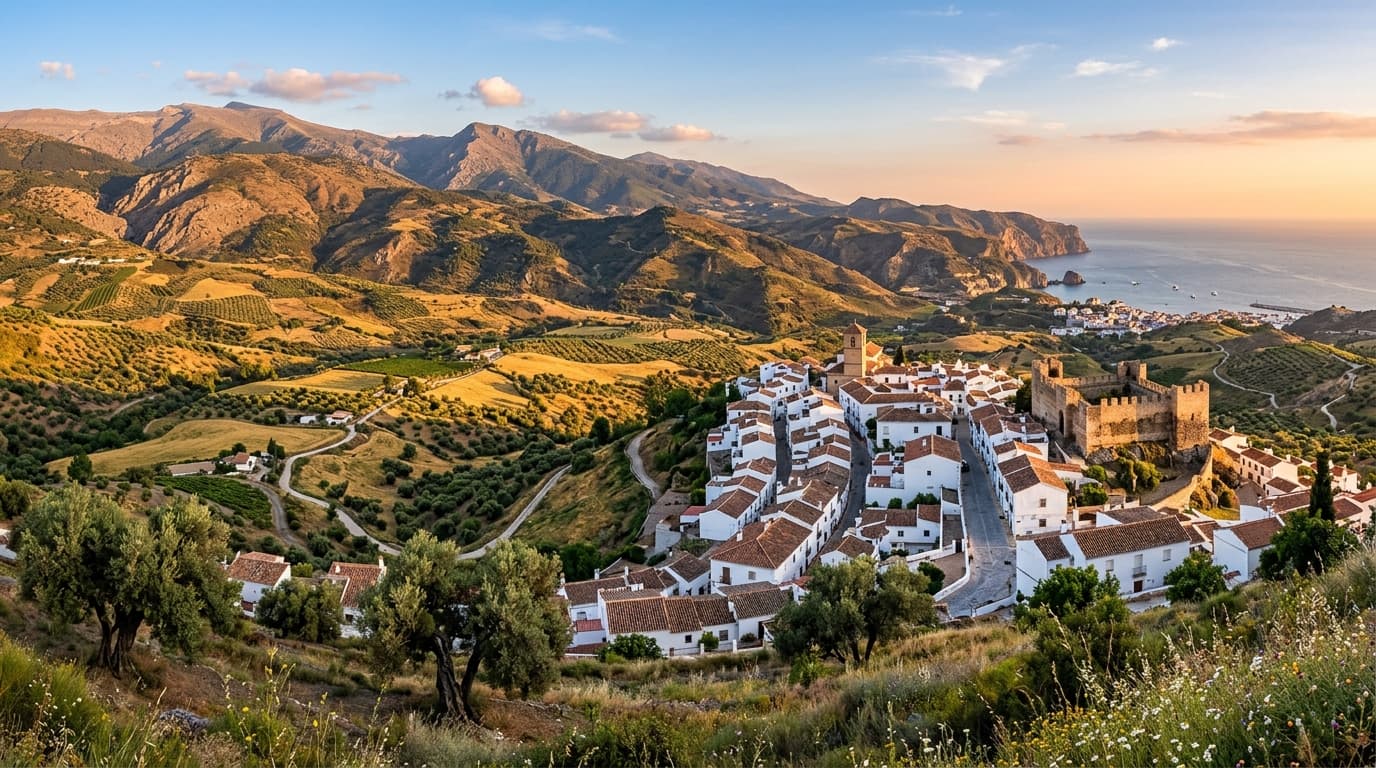
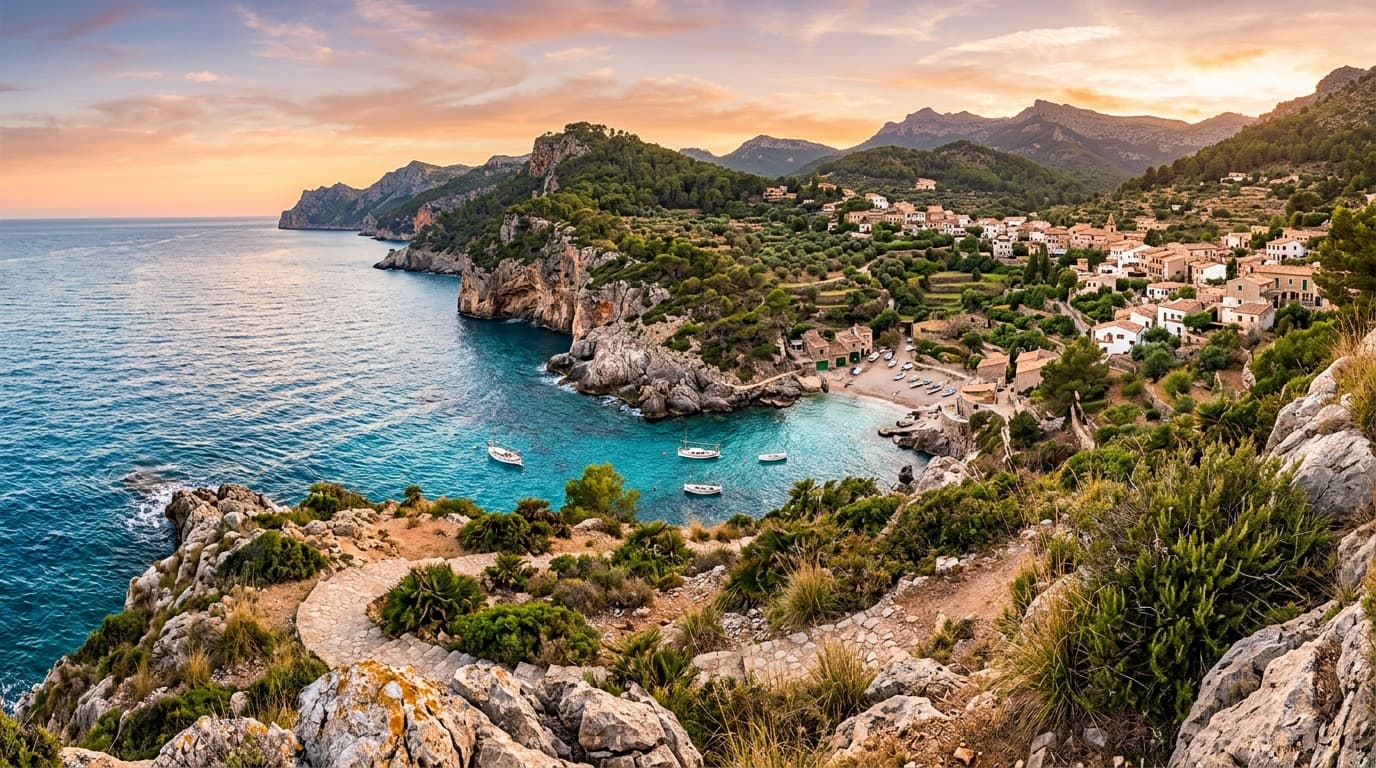
When we first arrived in the Balearic Islands three years ago, we expected crowded beaches and resort monotony. Instead, we discovered something far richer: four distinct islands, each with its own character, history, and rhythm. Mallorca surprised us with hidden limestone coves and mountain villages. Ibiza revealed layers beyond its nightlife reputation. Menorca felt like stepping back in time. Formentera reminded us why the Mediterranean still captivates travelers.
This article may contain affiliate links — we earn a small commission at no extra cost to you.
Key Takeaways
| Question | Answer |
|---|---|
| Which island for beaches? | Formentera (pristine, car-free villages); Menorca (40+ undeveloped coves) |
| Best for culture & hiking? | Mallorca (mountain towns, Gothic cathedrals, Serra de Tramuntana) |
| Nightlife & music? | Ibiza (world-class clubs, sunset bars); also good food scene |
| When to visit? | May–June or September–October (warm, fewer crowds than July–August) |
| How to get there? | Flights from mainland Spain (1–2 hours); ferries from Valencia or Barcelona |
| Budget range? | €80–150/night mid-range accommodation; meals €12–25 in local spots |
| Island hopping possible? | Yes — ferries connect all four islands (30 mins–3 hours) |
1. Overview: Four Islands, Four Personalities
The Balearic Islands sit 200 kilometers east of mainland Spain in the Mediterranean. They're an autonomous community with their own language (Catalan), culture, and tourism infrastructure. Yet each island operates almost independently.
When we visited Palma, Mallorca's capital, we noticed how different it felt from Ibiza Town's energy. Menorca's quieter vibe contrasted sharply with Formentera's bohemian beach culture. This diversity is the archipelago's greatest strength—you're not choosing between identical resort destinations, but between genuinely different experiences.
The islands receive over 10 million visitors annually, yet tourism remains concentrated in specific zones. Venture beyond the obvious spots, and you'll find yourself alone on limestone cliffs or in centuries-old village squares. We've learned that timing and location choices matter far more than season here.
For context on Spain's broader island offerings, our Islands guide covers the full picture, but the Balearics deserve their own deep dive.
2. Getting There: Flights, Ferries & Logistics
By Air
Most travelers fly. Palma de Mallorca Airport (PMI) is the largest hub, with direct flights from Madrid, Barcelona, Valencia, and most European capitals. Flight time from Barcelona is roughly 1 hour; from Madrid, 2 hours. Budget airlines like Ryanair and Vueling offer frequent connections.
We typically pay €40–90 for mainland-to-island flights when booked 3–4 weeks ahead. Last-minute fares spike to €150+. Ibiza (IBZ) and Menorca (MAH) airports are smaller but well-connected.
By Ferry
Ferries run from Barcelona (overnight, 7–8 hours) and Valencia (5–6 hours) to Palma and Ibiza. Balearia and Trasmediterránea operate most routes. A cabin berth costs €80–200 depending on season and cabin type. Day ferries are cheaper but longer.
We've taken the Barcelona–Palma overnight ferry twice. It's a genuine experience—you board in the evening, wake up in the Mediterranean. Cabins are modest but functional. Book ahead in summer; shoulder seasons offer flexibility.
Inter-Island Travel
Ferries connect all four islands. Palma (Mallorca) is the hub. Journeys:
- Palma to Ibiza: 2–3 hours
- Palma to Menorca: 2–3 hours
- Palma to Formentera: 3–4 hours (often via Ibiza)
- Ibiza to Formentera: 30 minutes
Prices range €20–60 per person depending on season. Book online through Balearia or at ports. Summer ferries fill quickly; winter offers more flexibility.
For broader transport planning across Spain, our rail guide covers mainland connections to coastal ports.
3. Mallorca: Mountains, Markets & Medieval Towns
Mallorca is the largest island (3,640 km²) and most visited. It's also the most misunderstood—many assume it's all beachfront hotels. The reality is richer.
Landscapes & Geography
The Serra de Tramuntana mountain range dominates the northwest coast. These limestone peaks rise dramatically from the sea, creating some of Europe's most striking coastal scenery. When we drove the coastal road from Sóller to Deià, hairpin turns revealed new vistas every few kilometers—turquoise water, terraced olive groves, stone villages clinging to hillsides.
The central plain (Pla) is agricultural—almond groves, vineyards, small towns. The east coast has developed resorts and some excellent beaches. The south is quieter, with fishing villages and hidden coves.
Key Towns & Villages
Palma (capital): Gothic cathedral, old town maze, waterfront promenade. We spent three days here and barely scratched the surface. The Cathedral of Santa Maria is stunning—book tickets online (€8) to avoid queues. The old town's narrow streets hide tapas bars, galleries, and boutiques. Stay in the old town (Paseo Marítimo area) rather than resort zones.
Sóller: Mountain town with orange groves, reached by vintage train from Palma (45 mins, €15 return). The main square is lined with cafés. We had lunch at a family-run spot—fresh fish, local wine, €18 per person. The train journey itself is the attraction; the track winds through tunnels and over viaducts.
Deià: Artistic village perched on cliffs. Expensive but atmospheric. Galleries, bookshops, and restaurants line steep streets. We visited in May and found it peaceful; July–August would be crowded. One night's accommodation runs €120–200 mid-range.
Valldemossa: Monastery, mountain views, tourist crowds. The Real Cartuja monastery (€9 entry) is worth seeing if you're in the area, but it's become a tour-bus stop. Better to visit early morning or skip it entirely.
Compare hotels, paradores, and boutique stays across Spain with free cancellation on most bookings.
Search Hotels on Booking.comAlcúdia: Medieval walled town on the north coast. Narrow streets, local restaurants, less touristy than Palma. Good base for exploring the north.
Activities & Experiences
- Hiking: The Serra de Tramuntana offers dozens of trails. We did a 2-hour walk from Deià to Llucalcari (coastal village)—moderate difficulty, stunning views. Trails range from 1–6 hours.
- Beaches: Cala Formentor (north), Es Trenc (south, car-free), Cala Mondragó (southeast). Each has different character. Es Trenc is long and sandy; Cala Mondragó is smaller and more sheltered.
- Caves: Cuevas del Drach (southeast) has an underground lake and boat tour (€16). Touristy but genuinely impressive.
- Markets: Sineu market (Wednesday), Palma market (daily). Fresh produce, local products, people-watching. Go early (8–11 AM) before tour groups arrive.
- Cycling: Mallorca is popular for road cycling. Flat central plains and mountain passes attract serious cyclists. Rentals available in most towns (€15–30/day).
Accommodation
- Luxury: 5-star hotels in Palma and Sóller, €200–400/night
- Mid-range: 3-star hotels, rural estates (fincas), €80–150/night
- Budget: Hostels, guesthouses, €40–70/night
We stayed in a small rural finca near Sóller (€95/night) with a pool and olive groves. These are scattered across the island and offer authentic experience without resort sterility.
When to Visit
May–June and September–October are ideal. Weather is warm (22–28°C), crowds are manageable, and prices are lower than summer. July–August sees 30°C+ heat and peak tourism. Winter (November–March) is mild (12–18°C) and quiet, but some restaurants and attractions close.
For broader context on Spain's best travel seasons, our seasonal guide covers mainland patterns too.
4. Ibiza: Beyond the Nightlife Stereotype
Ibiza's reputation precedes it—world-famous clubs, electronic music, party culture. All true. But Ibiza is also a UNESCO World Heritage site with Phoenician history, excellent food, and quieter corners that rival any Mediterranean island.
Landscapes & Geography
Ibiza is smaller than Mallorca (572 km²) but more geographically diverse than its party image suggests. The island has pine forests, agricultural terraces, salt flats (Las Salinas), and rocky coves. The west coast is dramatic—red cliffs, turquoise water. The east is flatter with sandy beaches.
Key Towns & Villages
Ibiza Town: Historic walled city (Dalt Vila) sits on a hill overlooking the harbor. Medieval streets, cathedral, fortress walls, museums. The harbor is lined with restaurants and bars. We walked the walls at sunset—free, stunning views, and far less crowded than daytime. The new town sprawls below; it's less interesting but has practical shops and services.
San Antonio: Beach town on the west coast. Less upscale than Ibiza Town but livelier. Known for sunset bars (Café del Mar-style venues where DJs play ambient music at sunset). We had drinks at one—€8–12 per cocktail, reasonable for Ibiza. The beach itself is okay; better beaches exist elsewhere.
Santa Eulària: East coast town, quieter and more family-oriented than Ibiza Town or San Antonio. Good restaurants, local vibe. We ate fresh fish here for €16 per person—far cheaper than tourist-trap spots.
Formentera (day trip): Accessible by ferry (30 mins, €20 return). More on Formentera below, but it's worth a day trip from Ibiza if you want beaches without the party scene.
Activities & Experiences
- Clubs: Pacha, Amnesia, Hï, Ushuaïa are world-renowned. Entry €40–80, drinks €12–18. We skipped the mega-clubs but caught smaller venues with live DJs—more intimate and cheaper.
- Beaches: Cala Conta (west, dramatic cliffs), Cala Bassa (sandy, family-friendly), Platja d'en Bossa (long sandy beach, resort-backed). Each has different character.
- Food: Ibiza has excellent restaurants. We had paella at a family-run spot in Santa Eulària (€14 per person, generous portions). The island produces wine, almonds, and seafood.
- Sunset bars: West coast venues play ambient/chillout music at sunset. Drinks are pricey (€10–15) but the experience is memorable.
- Hiking: Less developed than Mallorca, but trails exist. The island's interior is quieter than coasts.
- Salt flats: Las Salinas (south) are historically significant and visually interesting. You can visit the salt museum (€3).
Accommodation
- Luxury: €200–400/night in Ibiza Town or San Antonio
- Mid-range: €80–150/night
- Budget: €40–70/night
We stayed in a small hotel in Santa Eulària (€95/night) with a pool and quiet location. It was 10 minutes from the beach and far from nightlife noise.
When to Visit
June–September is peak season. July–August is hottest and most crowded. The club season officially runs May–October. If you want nightlife, come June–September. If you want beaches and quiet, May or September–October are better.
DID YOU KNOW? Ibiza's Dalt Vila (old town) is a UNESCO World Heritage Site. The fortified walls date to the 16th century and were built to defend against pirate raids. Today, they're free to walk and offer panoramic views of the island and Mediterranean.
5. Menorca: Undeveloped Beaches & Quiet Villages
Menorca is the quietest Balearic island. It's smaller (702 km²), less developed, and attracts families and travelers seeking peace rather than parties.
Landscapes & Geography
Menorca is flatter than Mallorca and Ibiza, with rolling countryside and over 40 beaches. The north coast is rockier; the south has sandy beaches and coves. Pine forests cover much of the interior.
Key Towns & Villages
Mahón (capital): East coast port town. Less touristy than Palma or Ibiza Town, but charming. The harbor is lined with restaurants. We had lunch overlooking the water—local fish, €12 per person. The old town has narrow streets and local shops. It's a working town, not a tourist theme park.
Ciutadella: West coast fortified town. More atmospheric than Mahón, with a medieval feel. The harbor is smaller and more intimate. Restaurants are excellent and less touristy than Ibiza. We had dinner at a family-run spot—fresh lobster, local wine, €20 per person.
Alaior: Central town, less touristy. Good base for exploring the island without being in a resort area.
Es Mercadal: Small village in the north, near Monte Toro (highest point, 357m). Quiet and authentic.
Activities & Experiences
- Beaches: Cala Macarella (south, sandy, family-friendly), Cala Turqueta (turquoise water, small), Playa de Cavalleria (north, dramatic cliffs). Most are undeveloped and quiet.
- Hiking: The Camí de Cavalls (Horses' Path) is a 185 km coastal trail circling the island. Sections are walkable as day hikes. We did a 3-hour section from Ciudadella toward the west—quiet, scenic, barely any other people.
- Cycling: Menorca is flatter than Mallorca, making it easier for cycling. Rentals available in main towns.
- Food: Menorca produces Mahón cheese (protected designation of origin). We bought some at a local market—creamy, complex flavor. It's excellent with local wine.
- Kayaking: Coves are accessible by kayak. Rentals available in beach towns.
Accommodation
- Luxury: €180–300/night
- Mid-range: €70–120/night
- Budget: €35–60/night
Prices are lower than Mallorca or Ibiza. We stayed in a guesthouse in Ciudadella (€85/night) with a small pool and quiet location.
When to Visit
May–June and September–October are ideal. July–August is warm but crowded. Winter is mild but some restaurants close. Menorca is less seasonal than Mallorca or Ibiza; it's quieter year-round.
6. Formentera: Bohemian Beaches & Car-Free Villages
Formentera is the smallest inhabited Balearic island (170 km²). It's famous for pristine beaches, bohemian culture, and a car-free approach to life. It's also the most expensive and most crowded in summer.
Landscapes & Geography
Formentera is flat and sandy. The island has long beaches on both coasts, pine forests, and salt flats. It's only 20 km long and 5 km wide—you can traverse it in 30 minutes by scooter.
Key Towns & Villages
Sant Francesc Xavier: Main town, car-free. Narrow streets, small restaurants, hippie-bohemian vibe. We parked our scooter and walked everywhere. It's charming but touristy. Restaurants are expensive (€18–30 per person).
Es Pujols: North coast beach town. More developed than Sant Francesc, with hotels and restaurants. Good base if you want beach access without the bohemian scene.
La Savina: Ferry port and main entry point. Less interesting than other towns but functional.
Activities & Experiences
- Beaches: Playa de Migjorn (long sandy beach, south coast), Playa de Llevant (east, sandy), Cala Saona (west, dramatic cliffs). All are pristine and less crowded than Mallorca or Ibiza beaches.
- Scooter rental: The primary way to get around. €30–50/day. Roads are quiet and scenic.
Skip the hassle -- book Spain day trips, flamenco shows, and experiences in advance with instant confirmation.
Browse Activities on Klook- Snorkeling: Posidonia seagrass meadows are protected and excellent for snorkeling. Water is clear and calm.
- Sunset: Watching sunset from Cala Saona or Es Pujols is memorable. Bring a picnic or eat at a beachfront restaurant.
- Cycling: Flat terrain makes cycling easy. Rentals available.
Accommodation
- Luxury: €250–400/night
- Mid-range: €120–200/night
- Budget: €70–120/night
Formentera is pricier than other islands. We stayed in a small hotel in Sant Francesc (€140/night) with basic amenities. It was clean and central but not luxurious.
When to Visit
June–September is peak season. July–August is hottest and most crowded. May and September–October are ideal—warm, fewer crowds, lower prices. Winter is quiet but some restaurants close.
DID YOU KNOW? Formentera's Posidonia seagrass meadows are a UNESCO World Heritage Site. These underwater meadows are crucial for Mediterranean ecosystems and produce the distinctive "posidonia balls" (rolled seagrass) that wash up on beaches. They're a sign of healthy water quality.
7. Island Comparison: Which Island Suits You?
| Factor | Mallorca | Ibiza | Menorca | Formentera |
|---|---|---|---|---|
| Best for | Hiking, culture, variety | Nightlife, food, beaches | Quiet, families, undeveloped | Bohemian beaches, pristine |
| Crowds (summer) | High | Very high | Moderate | Very high |
| Price (mid-range) | €80–150/night | €80–150/night | €70–120/night | €120–200/night |
| Beaches | Good variety | Excellent | Excellent, less crowded | Pristine, crowded in summer |
| Nightlife | Minimal | World-class | Minimal | Minimal, bohemian bars |
| Hiking | Excellent (Serra de Tramuntana) | Moderate | Good (Camí de Cavalls) | Minimal |
| Culture | Strong (Gothic cathedral, museums) | Moderate (Dalt Vila) | Moderate (Mahón, Ciudadella) | Minimal |
| Food scene | Good (local restaurants) | Excellent (diverse, upscale) | Good (local, less touristy) | Expensive, bohemian |
| Best season | May–June, Sept–Oct | June–Sept | May–June, Sept–Oct | June–Sept |
| Accessibility | Largest airport, most flights | Good airport, many flights | Smaller airport, fewer flights | Ferry from Ibiza or Mallorca |
8. Food & Drink: Mediterranean Flavors
The Balearics have a distinct food culture, blending Spanish, Catalan, and Mediterranean influences.
Local Specialties
- Ensalada Mallorquina: Tomato, onion, pepper salad with bread and olive oil. Simple, refreshing, €6–10.
- Tumbet: Vegetable stew with eggplant, zucchini, peppers, and tomato sauce. €8–12.
- Espinagada: Spinach and raisin pastry. €3–5 at bakeries.
- Mahón cheese: Protected designation of origin. Creamy, complex. €15–25 per 200g block.
- Seafood: Fresh fish, lobster (langosta), prawns. Prices vary; expect €15–30 per person for a fish dinner at local restaurants.
Wine & Drinks
The Balearics produce wine, though it's not as famous as mainland regions. Local varieties include Merlot and Cabernet Sauvignon. A glass of local wine costs €4–6 at restaurants.
For broader context on Spanish beverages, our drinks guide covers regional varieties across Spain.
Where to Eat
Avoid tourist-trap restaurants near beaches and main plazas. Instead:
- Eat where locals eat (ask hotel staff for recommendations)
- Visit markets and buy picnic supplies
- Dine at family-run restaurants in small towns
- Eat lunch (1–3 PM) rather than dinner for better value and atmosphere
We consistently found excellent meals for €12–18 per person at local spots, while tourist restaurants charged €25–40 for similar food.
9. Practical Information & Planning
Visas & Documentation
The Balearics are part of Spain and the Schengen Area. EU/EEA citizens need a valid passport. Non-EU citizens should check visa requirements for Spain.
Currency & Costs
The euro (€) is the currency. ATMs are widely available. Credit cards are accepted in most places, but cash is useful for small vendors and markets.
Budget Breakdown (per person, per day)
- Accommodation: €80–150 (mid-range)
- Food: €25–40 (mix of restaurants and picnics)
- Activities: €10–30 (beaches are free; museums and attractions cost €5–15)
- Transport: €10–20 (ferries, scooter rental, local buses)
- Total: €125–240/day
Budget travelers can reduce this to €70–100/day by staying in hostels, eating picnics, and using free activities.
Book buses, trains, and transfers between Spanish cities easily online. Compare routes and prices.
Book Transport on 12GoGetting Around Each Island
- Mallorca: Rent a car (€30–50/day) or use buses. Taxis are expensive.
- Ibiza: Scooter (€25–40/day), car, or buses. Taxis are pricey.
- Menorca: Scooter or car. Buses exist but are less frequent.
- Formentera: Scooter is essential (€30–50/day). No car rental needed; island is small.
We rented scooters on Ibiza and Formentera. It's the cheapest and most flexible option. Helmets are mandatory; insurance is included.
Internet & Communication
Spain has excellent mobile coverage. Consider an eSIM for data (€10–30 for 10–20 GB). Alternatively, buy a local SIM card at any phone shop.
Travel Insurance
We recommend travel insurance covering medical expenses, trip cancellation, and baggage. European travel insurance costs €15–40 for 2 weeks.
For comprehensive practical information on traveling in Spain, our guide covers visas, currency, safety, and more.
10. Sample Itineraries
5-Day Mallorca Itinerary
- Day 1: Arrive Palma. Explore old town, Cathedral, waterfront. Stay in Palma.
- Day 2: Day trip to Sóller (vintage train). Explore town, lunch, return.
- Day 3: Drive to Deià or Valldemossa. Hike, explore villages. Return to Palma.
- Day 4: Beach day. Visit Es Trenc or Cala Mondragó.
- Day 5: Markets, final exploration, depart.
7-Day Island Hopping (Mallorca–Ibiza–Formentera)
- Days 1–2: Mallorca (Palma, Sóller, beaches)
- Days 3–4: Ibiza (Ibiza Town, beaches, food)
- Days 5–6: Formentera (beaches, scooter exploration)
- Day 7: Return to Mallorca or mainland
4-Day Menorca Itinerary
- Day 1: Arrive Mahón. Explore harbor, local restaurants.
- Day 2: Day trip to Ciudadella. Medieval town, harbor, dinner.
- Day 3: Beach day. Visit Cala Macarella or Cala Turqueta.
- Day 4: Hike Camí de Cavalls section, explore Es Mercadal, depart.
FAQ: Common Questions About the Balearic Islands
Q: What's the best time to visit the Balearic Islands?
A: May–June and September–October offer warm weather (22–28°C), manageable crowds, and lower prices than July–August. If you want nightlife in Ibiza, June–September is essential. For quiet beaches and hiking, avoid July–August.
Q: Do I need a car on the Balearic Islands?
A: On Mallorca, a car is useful for exploring the Serra de Tramuntana and visiting small villages. On Ibiza and Menorca, scooters are more practical and cheaper. Formentera is small enough to navigate by scooter or bicycle. Public buses exist but are less frequent than on mainland Spain.
Q: How much does it cost to visit the Balearic Islands?
A: Budget €125–240 per person per day (accommodation, food, activities, transport). This assumes mid-range accommodation and eating at local restaurants. Luxury travelers can spend €300+/day; budget travelers can reduce this to €70–100/day.
Q: Can I visit all four islands in one trip?
A: Yes. A 7–10 day trip allows island hopping. Ferries connect all islands. However, moving every 1–2 days is tiring. We recommend spending 2–3 days per island minimum.
Q: Is Ibiza just for nightlife?
A: No. Ibiza has excellent beaches, food, history (Dalt Vila), and quieter areas. The nightlife is famous but not mandatory. You can enjoy Ibiza without visiting clubs.
Q: What language is spoken in the Balearic Islands?
A: Catalan and Spanish. English is widely spoken in tourist areas. Learning a few Spanish phrases is helpful and appreciated.
Q: Are the Balearic Islands expensive?
A: They're pricier than mainland Spain, especially in summer and on Formentera. However, eating at local restaurants and avoiding tourist traps keeps costs reasonable. Accommodation is comparable to mainland coastal towns (€80–150/night mid-range).
Conclusion: Why the Balearics Deserve Your Time
The Balearic Islands offer something rare: genuine diversity within a small area. Mallorca's mountains and culture, Ibiza's food and beaches, Menorca's quiet charm, and Formentera's bohemian spirit each deserve exploration.
We've returned to these islands multiple times because they reward slow travel. Rush through, and you'll see beaches and clubs. Stay longer, eat locally, hike inland, and you'll discover why the Mediterranean has captivated travelers for millennia.
Whether you're seeking nightlife, hiking, pristine beaches, or quiet villages, the Balearics deliver. The key is choosing the right island and season for your style.
Ready to plan your Balearic adventure? Start by reading our Ultimate Spain Travel Guide 2026 for broader context on Spanish travel, then dive into island-specific planning. Check ferry schedules, book accommodation 4–6 weeks ahead for summer travel, and consider visiting in shoulder seasons (May–June or September–October) for the best balance of weather, crowds, and prices.
Have questions about the Balearics? Contact us or explore our broader destinations guide for more Spanish travel inspiration.
Sources & References
This article is based on first-hand experience and verified with the following official sources:

Go2Spain Team
Con base en Espana desde 2020 | Todas las 17 comunidades visitadas | Actualizado mensualmente
Somos un equipo de escritores de viajes y entusiastas de Espana que exploran el pais durante todo el ano. Nuestras guias se basan en experiencia directa, conocimiento local y fuentes oficiales verificadas.
Mas sobre nosotros →